10 High-Protein Meal Prep Recipes for the Entire Week
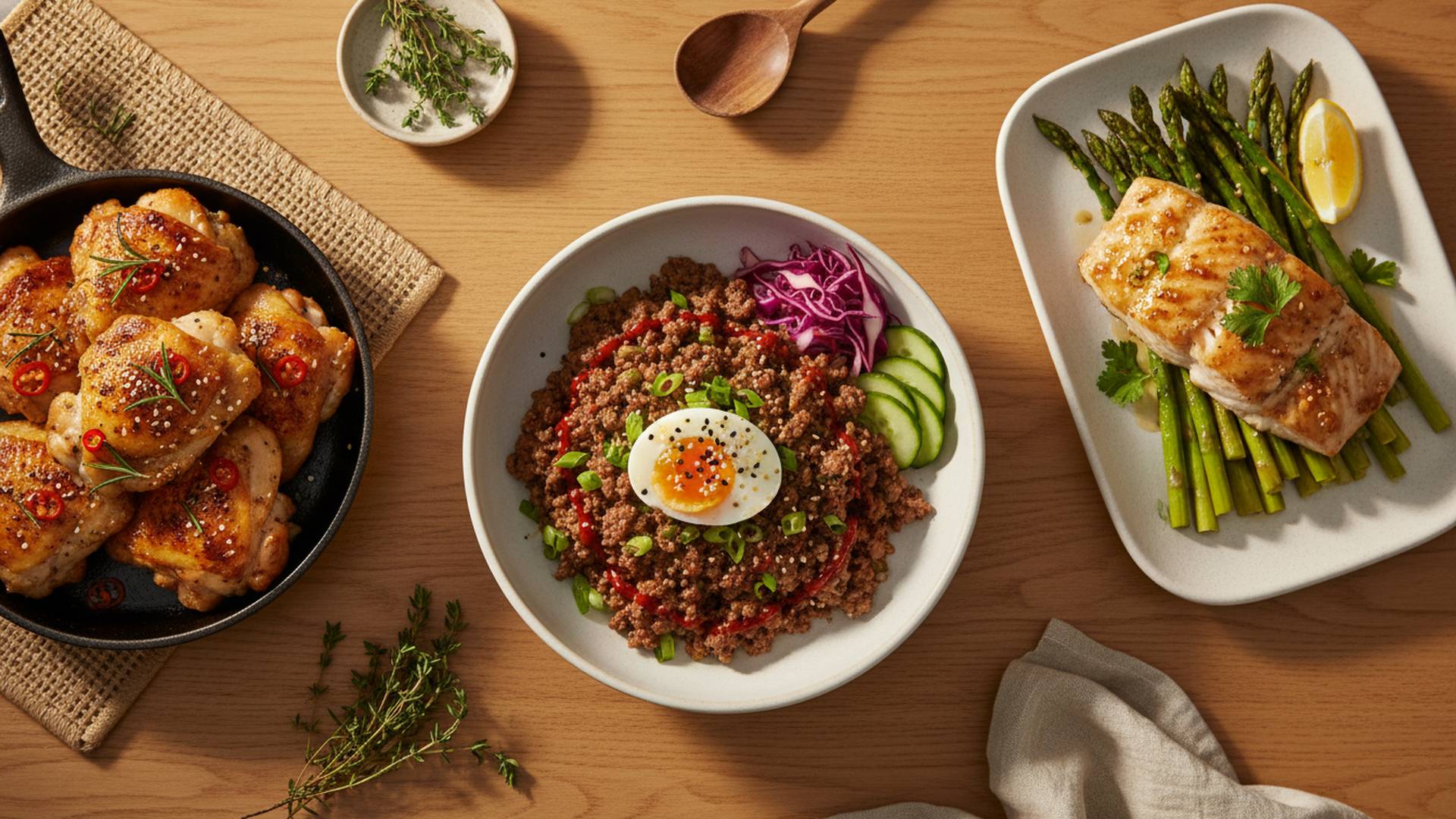
Master meal prep with these high-protein recipes that store perfectly for 5 days. From sheet pan dinners to bulk-cooked bowls, each delivers 40-80g protein per serving.
Part of The Protein Atlas — your complete guide to protein.
Sunday afternoon. Two hours. Ten high-protein meals ready for the entire week ahead.
That’s the promise of strategic meal prep, and it’s a promise that delivers real results. No more 7 PM scrambles wondering what’s for dinner. No more expensive takeout because you’re too tired to cook. No more protein targets missed because the refrigerator held nothing but condiments and aging vegetables.
These high-protein meal prep recipes have been specifically selected for their storage qualities, reheating characteristics, and ability to taste just as good on Friday as they did on Sunday. Each delivers between 40 and 80 grams of protein per serving, ensuring you hit your nutrition targets even on days when cooking from scratch isn’t happening.
We’ve organized these recipes from highest protein to lowest, because when you’re meal prepping for fitness goals, protein content drives the decision. Every recipe includes storage guidance, reheating recommendations, and tips for maintaining quality throughout the week.
Why High-Protein Meal Prep Changes Everything
The Consistency Problem
Most fitness progress stalls not from lack of knowledge but from lack of consistency. You know you should eat 150 grams of protein daily. You know whole foods beat processed alternatives. You know home cooking trumps restaurant meals for nutrition control. The problem isn’t knowing. The problem is doing.
Meal prep solves the doing problem by front-loading the effort. When high-protein meals wait in your refrigerator, ready to reheat in minutes, the path of least resistance becomes the nutritious choice rather than the convenient one.
The Math of Meal Prep
Consider the alternative: cooking from scratch every night requires roughly 45 minutes of active time plus cleanup. Multiply that by five weeknights, and you’re spending nearly four hours on dinner preparation alone. Meal prep consolidates that time into a single Sunday session, often taking less time total because you’re batching similar tasks.
The protein math is equally compelling. Most adults aiming for muscle maintenance or growth need 0.7-1 gram of protein per pound of bodyweight daily. For a 170-pound person, that’s 120-170 grams. Miss your protein target at dinner, and catching up becomes mathematically difficult. Meal prep guarantees you’ll hit those targets.
The Quality Advantage
Restaurant meals and takeout rarely optimize for protein. A typical takeout stir-fry might deliver 25 grams of protein stretched across excessive rice and oil. The same dish made at home for meal prep can easily hit 50+ grams while controlling sodium, fat quality, and portion sizes.
These recipes leverage that control intentionally. Each one was designed to maximize protein within reasonable calorie budgets, using whole food ingredients that support both performance and general health.
The 10 Best High-Protein Meal Prep Recipes
1. Sheet-Pan Lemon Garlic Chicken and Veg Tray (79.5g Protein, 708 Calories)
Leading our list with an exceptional 79.5 grams of protein per serving, this sheet pan meal represents meal prep at its most efficient. One pan, minimal prep, maximum protein. The lemon-garlic combination keeps chicken breast moist and flavorful even after refrigeration and reheating.
The beauty of sheet pan cooking for meal prep lies in its scalability. Use one pan for 2-3 servings, or cover two full sheet pans for a week’s worth of lunches and dinners. The vegetables cook alongside the chicken, absorbing those lemony pan juices while developing caramelization that holds up to storage.
Meal Prep Tips: Store chicken and vegetables together in airtight containers. The vegetables release minimal moisture, keeping the chicken from getting soggy. Reheat in a 350°F oven for 8-10 minutes for best texture, or microwave for 2 minutes if time is short.
Storage: 5 days refrigerated. Freezes well for up to 3 months.
View the Sheet-Pan Lemon Garlic Chicken Recipe
2. Lemon Herb Chicken Breast Meal Prep (77.4g Protein, 630 Calories)
This recipe was explicitly designed for meal prep, and it shows. At 77.4 grams of protein, it’s nearly unmatched for pure protein density, using a generous portion of chicken breast enhanced with a herb mixture that prevents the dryness that often plagues reheated chicken.
The herb and lemon marinade does double duty: flavoring the chicken during cooking and creating a protective coating that locks in moisture during storage. This is the recipe for serious protein goals, delivering more protein per serving than most people get in an entire day.
Meal Prep Tips: Slice chicken against the grain after cooking for easier portioning and faster reheating. Store any accumulated juices with the chicken to maintain moisture. The herbs may darken slightly during storage but the flavor remains excellent.
Storage: 5 days refrigerated. Freeze individual portions for grab-and-go convenience.
View the Lemon Herb Chicken Breast Meal Prep Recipe
3. Greek Chicken Rice Casserole (61.8g Protein, 554 Calories)
Casseroles were invented for meal prep, and this Greek-inspired version delivers 61.8 grams of protein while tasting even better after a day or two as the flavors meld together. The combination of chicken, rice, and Mediterranean seasonings creates a complete meal in every scoop.
What sets this casserole apart is the protein-to-carb ratio. Most casseroles lean heavily on starches, but this version prioritizes chicken while using rice as a supporting player. Feta cheese adds tanginess and additional protein while the olives and sun-dried tomatoes provide the Mediterranean character.
Meal Prep Tips: Cut into individual portions before refrigerating. The casserole firms up when cold, making clean cuts easier. Reheat with a splash of chicken broth to restore moisture. Cover when microwaving to prevent drying out.
Storage: 5 days refrigerated. Freezes exceptionally well, up to 3 months.
View the Greek Chicken Rice Casserole Recipe
4. Korean Ground Beef Bowls (57.1g Protein, 612 Calories)
Korean flavors translate beautifully to meal prep because the bold seasonings of soy, ginger, sesame, and gochujang actually intensify during storage. At 57.1 grams of protein, these bowls deliver serious nutrition with flavors that make you look forward to lunch.
Ground beef is a meal prep hero for its texture stability. Unlike sliced proteins that can dry out, ground beef maintains its character through multiple reheatings. The caramelized edges develop during the initial cooking hold up remarkably well, providing textural interest even on day five.
Meal Prep Tips: Store the beef mixture and rice separately if possible, combining when ready to eat. This prevents the rice from absorbing too much sauce. Quick-pickle fresh cucumber on Sunday to top bowls throughout the week for brightness and crunch.
Storage: 5 days refrigerated for beef, 4 days for rice. Beef freezes well; rice is better fresh.
View the Korean Ground Beef Bowls Recipe
5. Honey Garlic Chicken Thighs Meal Prep (53.4g Protein, 633 Calories)
Chicken thighs are the meal prep master’s secret weapon, and this honey garlic version showcases why. At 53.4 grams of protein, the dark meat stays moist and flavorful in ways that chicken breast simply cannot match. The honey-garlic glaze creates a sticky coating that locks in juices during storage.
The higher fat content in thigh meat serves a practical purpose beyond flavor: it provides a buffer against the drying effects of refrigeration and reheating. Where breast meat can turn stringy, thigh meat remains tender and succulent throughout the week.
Meal Prep Tips: Leave thighs whole or slice for easier portioning. Store with any accumulated pan sauce to maintain moisture. The glaze may crystallize slightly when cold but reliquifies beautifully when reheated.
Storage: 5 days refrigerated. Thighs freeze better than breast meat, maintaining quality for up to 4 months.
View the Honey Garlic Chicken Thighs Meal Prep Recipe
6. Instant Pot Chicken Tikka Masala (53.1g Protein, 548 Calories)
The Instant Pot was made for meal prep, and tikka masala may be its finest expression. This recipe delivers 53.1 grams of protein in a creamy, spiced sauce that improves with time. Indian curries are famous for tasting better the next day, and this version is no exception.
The pressure cooking process tenderizes chicken while infusing it with the complex spice blend. Unlike stovetop versions that require careful monitoring, the Instant Pot produces consistent results every time, making it ideal for batch cooking.
Meal Prep Tips: Cook rice separately and portion into containers. The sauce keeps the chicken moist, so storage together is fine. The sauce may thicken when cold; add a splash of coconut milk when reheating for perfect consistency.
Storage: 5 days refrigerated. Freezes exceptionally well because the sauce protects the chicken.
View the Instant Pot Chicken Tikka Masala Recipe
7. Slow Cooker Pulled Pork Protein Bowls (51.3g Protein, 739 Calories)
Slow cookers and meal prep are natural partners, requiring minimal attention while producing large batches of tender, flavorful protein. At 51.3 grams of protein, these pulled pork bowls provide substantial fuel for active lifestyles while the slow-cooked texture remains perfect through multiple reheatings.
Pulled pork’s shredded texture is inherently forgiving. Unlike whole cuts that can dry out, the small strands stay moist by holding onto cooking liquid and sauce. This makes pulled pork one of the most reliable meal prep proteins available.
Meal Prep Tips: Store pulled pork in its cooking liquid to maintain moisture. Drain excess liquid before portioning to prevent sogginess in bowl components. The pork can serve multiple purposes: bowls, tacos, sandwiches, or salad toppers.
Storage: 5 days refrigerated. Freezes beautifully for up to 6 months in cooking liquid.
View the Slow Cooker Pulled Pork Protein Bowls Recipe
8. Turkey Chili (51.2g Protein, 660 Calories)
Chili might be the ultimate meal prep food. It’s better the second day. It freezes perfectly. It reheats in minutes. And this high-protein turkey version delivers 51.2 grams of protein while satisfying those cold-weather comfort food cravings.
The long simmer develops complex flavors that only improve during storage as the spices fully integrate with the turkey and beans. Each day’s reheating essentially continues the slow cooking process, deepening the flavor profile.
Meal Prep Tips: Portion into individual containers for grab-and-go convenience. Top with fresh garnishes (sour cream, cheese, cilantro) at serving time rather than during storage. The chili thickens as it sits; add water or broth when reheating if desired.
Storage: 7 days refrigerated (one of the longest-lasting meal prep options). Freezes for up to 6 months.
9. Beef and Broccoli Meal Prep (45g Protein, 552 Calories)
This takeout classic was designed specifically for meal prep, and the results prove it. At 45 grams of protein, the beef and broccoli combination delivers familiar flavors while the cooking technique ensures the beef stays tender and the broccoli stays green through days of storage.
The key adaptation for meal prep: slightly undercooking the broccoli during initial preparation. It continues to soften during storage and reheating, arriving at perfect tenderness on day four or five when straight-from-the-wok broccoli would have turned to mush.
Meal Prep Tips: Store beef and broccoli together; the sauce prevents drying. Flash-reheat in a hot skillet for best results, or microwave in 30-second bursts to prevent overcooking. Serve over freshly made rice for best texture.
Storage: 5 days refrigerated. Can freeze but broccoli texture suffers; beef alone freezes well.
View the Beef and Broccoli Meal Prep Recipe
10. Chipotle Chicken Burrito Bowls (40.3g Protein, 515 Calories)
Restaurant-style burrito bowls at home, prepped once and enjoyed all week. At 40.3 grams of protein, these bowls deliver serious nutrition while the variety of components keeps meals interesting even on day five.
The burrito bowl format works brilliantly for meal prep because each component stores well separately and combines beautifully at serving time. This modularity also allows for variety: switch up the toppings throughout the week to prevent flavor fatigue.
Meal Prep Tips: Store components separately: chicken in one container, rice in another, beans in a third. Combine at serving time for fresh texture. Prep salsa and guacamole fresh mid-week if storing through Friday. Cold components (lettuce, sour cream) add at serving only.
Storage: 5 days for cooked components. Fresh toppings should be added day-of.
View the Chipotle Chicken Burrito Bowls Recipe
The Sunday Meal Prep System
The Two-Hour Block
Set aside two hours on Sunday afternoon. This isn’t cooking for pleasure; it’s systematic meal production. The goal is efficiency, not artistry.
Hour One: Protein Production
- Start slow cooker or Instant Pot recipes first (they need the most time)
- Season and begin roasting sheet pan proteins
- Brown ground meat for bowls or stir-fries
- While proteins cook, prep vegetables and measure seasonings for remaining recipes
Hour Two: Assembly and Storage
- Finish cooking remaining recipes
- Allow proteins to cool slightly before portioning
- Assemble containers: protein, starch, vegetables
- Label containers with contents and date
- Clean as you go to avoid end-of-session overwhelm
Container Strategy
Invest in quality meal prep containers. The best options are:
- Glass containers: Microwave-safe, don’t stain, last forever
- Divided containers: Keep components separate when needed
- Uniform sizes: Stack neatly in refrigerator
- Airtight seals: Essential for 5-day freshness
Label everything. Sunday’s careful organization becomes Wednesday’s confusion without labels. Include the dish name and prep date.
Refrigerator Organization
Designate a specific refrigerator zone for meal prep containers. This serves two purposes: keeping prepped meals visible and accessible, and creating a visual reminder of your nutrition commitment.
Stack containers by date, oldest in front. This natural rotation ensures nothing gets forgotten and pushed to the back until it’s past its prime.
Reheating for Quality
The Microwave Reality
Yes, you can microwave everything. No, it won’t always taste as good as other methods. But for most meal prep scenarios, the microwave is the practical choice. Here’s how to get the best results:
- Power matters: Use 70% power for more even heating
- Stir halfway: Redistribute heat for even warming
- Cover loosely: Trap steam to prevent drying
- Add moisture: A splash of water or broth prevents rubbery textures
- Rest briefly: Let food sit 30 seconds after heating for temperature to equalize
When to Use the Oven
For proteins that benefit from crispy exteriors (sheet pan chicken, roasted chicken thighs), the oven restores quality the microwave cannot. Yes, it takes longer. For special meals or when you have time, it’s worth it.
Reheat at 350°F for 10-15 minutes, covering loosely with foil to prevent over-browning. Uncover for the last 2-3 minutes to restore any lost crispness.
The Skillet Method
For stir-fries and sauced dishes, a hot skillet can restore fresh-cooked quality in minutes. Heat the skillet, add a small amount of oil, and toss the meal prep just until heated through. This method prevents the sogginess that microwave reheating can create.
Troubleshooting Common Meal Prep Problems
Dry Chicken
The most common meal prep complaint. Prevention is easier than cure:
- Use thigh meat instead of breast when possible
- Don’t overcook during initial preparation
- Store with cooking liquids and sauces
- Reheat gently at lower power
If chicken has already dried out, slice thin and incorporate into sauced dishes where the sauce can rehydrate the meat.
Soggy Vegetables
Vegetables release moisture during storage. Minimize the problem:
- Slightly undercook vegetables during prep
- Store vegetables separately when possible
- Drain accumulated liquid before reheating
- Reheat in a hot skillet to evaporate excess moisture
Flavor Fatigue
Eating the same meal five days straight can wear on anyone. Combat this:
- Prep two or three different proteins each week
- Use different sauces and seasonings to vary identical proteins
- Add fresh elements at serving time: herbs, lime juice, hot sauce
- Alternate between lunch and dinner options
Temperature Safety
Keep meal prep safe:
- Cool cooked food within two hours before refrigerating
- Never leave meal prep at room temperature for extended periods
- When in doubt, throw it out (cheaper than food poisoning)
- Use an instant-read thermometer to verify reheating reaches 165°F
Frequently Asked Questions
How long do high-protein meal prep recipes actually last?
Most cooked proteins and complete meals stay fresh for 4-5 days when properly stored in airtight containers and refrigerated at 40°F or below. Chili and stews can last up to 7 days due to their acidity and thorough cooking. When freezing, most meal prep maintains quality for 2-3 months, with some items like pulled pork lasting up to 6 months.
Can I meal prep for the entire week on Sunday?
Yes, if you choose recipes that store well. The recipes in this collection were specifically selected for their 5-day storage capability. For optimal freshness, consider prepping proteins on Sunday and preparing fresher components like salads mid-week. Glass containers with tight seals help maintain quality through day five.
How do I prevent meal prep chicken from drying out?
Three strategies work best: use chicken thighs instead of breasts (higher fat content means more moisture retention), slightly undercook during initial preparation (carryover cooking and reheating will finish it), and store with sauces or cooking liquids that keep the meat moist. When reheating, use lower microwave power and cover to trap steam.
What’s the best container for high-protein meal prep?
Glass containers with locking lids are the gold standard. They’re microwave-safe, don’t absorb odors or stains, and last for years. Divided containers work well for dishes where you want components stored separately. Whatever you choose, ensure seals are truly airtight because oxygen accelerates spoilage.
Can I freeze meal prep portions?
Most recipes in this collection freeze well, though texture changes are normal. Proteins in sauce (like tikka masala or chili) freeze best because the sauce protects against freezer burn. Avoid freezing dishes with raw vegetables or components that become watery when thawed. Label frozen meals clearly with contents and date.
How much protein should each meal prep container have?
Aim for 40-50 grams of protein per main meal if you’re targeting 120-150 grams daily across three meals. Athletes or those with higher protein requirements might target 50-60 grams per meal. The recipes in this collection range from 40 to 80 grams per serving, covering various protein targets.
Is it safe to reheat meal prep multiple times?
Only reheat the portion you plan to eat. Repeated heating and cooling increases bacterial growth risk. Portion your meal prep into single-serving containers so you only reheat what you’ll consume. If you must store partially eaten portions, return them to the refrigerator within two hours and consume within one additional day.
How do I meal prep on a budget?
Buy proteins in bulk when on sale and freeze extras. Choose cheaper protein sources like chicken thighs (often half the price of breasts) and ground turkey. Dried beans and lentils add protein at minimal cost. Cook larger batches to maximize efficiency. Meal prep inherently saves money compared to takeout or convenience foods.
What should I do if my meal prep tastes bland after a few days?
Storage can mute flavors. Counter this by adding fresh elements at serving time: a squeeze of lime, fresh herbs, hot sauce, or a sprinkle of flaky salt. Some recipes intentionally taste slightly over-seasoned when fresh because the seasonings mellow during storage. Taste and adjust when reheating.
Can I meal prep for muscle building and weight loss using the same recipes?
Yes, these recipes work for both goals with portion adjustments. For muscle building, increase protein portions and add complex carbohydrates. For weight loss, emphasize the protein while reducing or replacing starches with additional vegetables. The high protein content supports both goals by promoting satiety and muscle maintenance.
Building Your Meal Prep Habit
Meal prep works best as a habit rather than an occasional practice. The first few Sundays require conscious effort. By week four or five, the routine becomes automatic, and the results compound.
Start with just two or three recipes if a full week of prep feels overwhelming. As you develop systems and confidence, expand to four or five recipes covering all your weekday meals. The time investment decreases as you learn which recipes you enjoy most and which techniques you’ve mastered.
The goal isn’t perfection. Some weeks you’ll prep eight meals; others you’ll manage four. Consistency over time matters more than any single week’s output. Every meal you prep is a meal you don’t have to think about during a busy week, a protein target you’re guaranteed to hit, and a step toward your fitness goals.
These high-protein meal prep recipes provide the foundation. Your job is simply to start. Pick one recipe from this list, prep it this Sunday, and experience how much easier a week of eating well becomes when the hardest work is already done.
Browse our complete collection of high-protein meal recipes for more options, or explore our quick high-protein meals for nights when meal prep ran out and you need fast alternatives.
Featured Recipes
All 9 recipes from this article, ready to cook
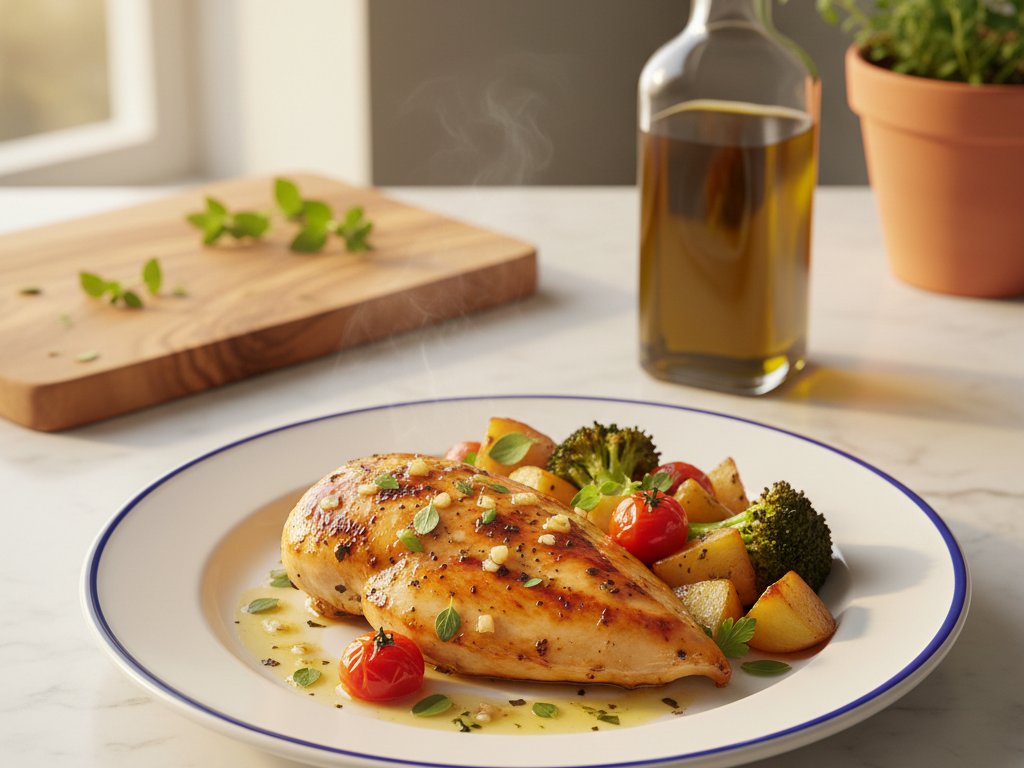
1. Sheet-Pan Lemon Garlic Chicken & Veg Tray
This Sheet-Pan Lemon Garlic Chicken & Veg Tray delivers approximately 79 grams of protein and 708 calories per serving.
View Recipe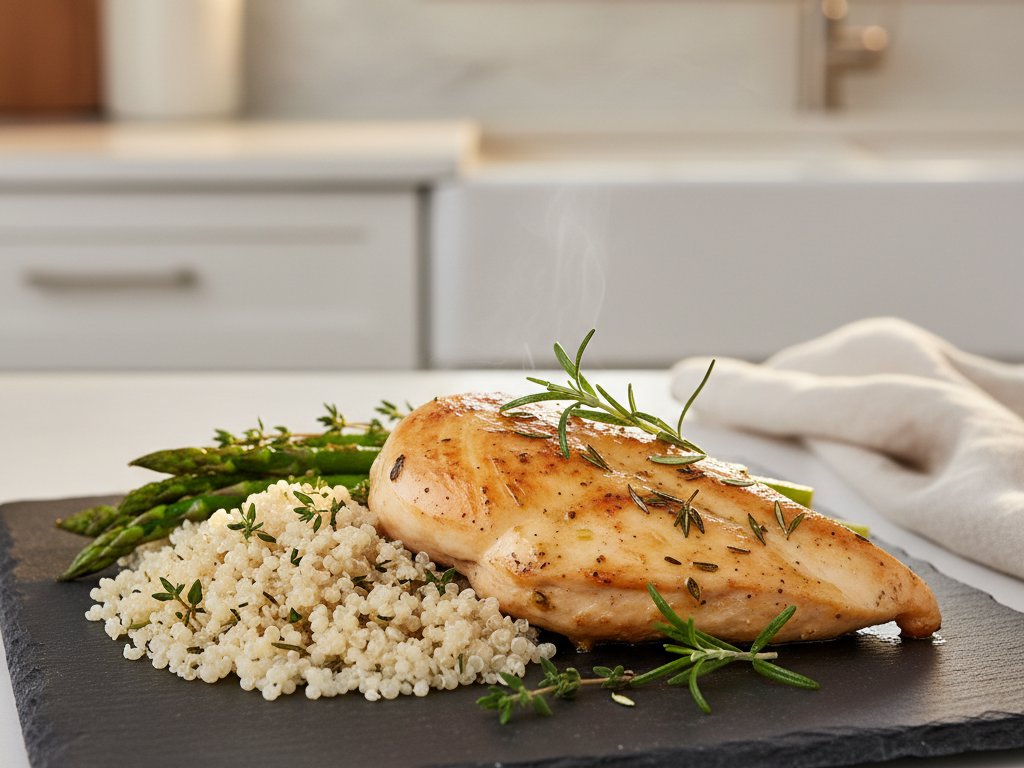
2. Lemon Herb Chicken Breast Meal Prep
This meal prep essential delivers 77 grams of protein and 630 calories per serving. Juicy chicken breasts marinated in lemon, garlic, and fresh herbs get...
View Recipe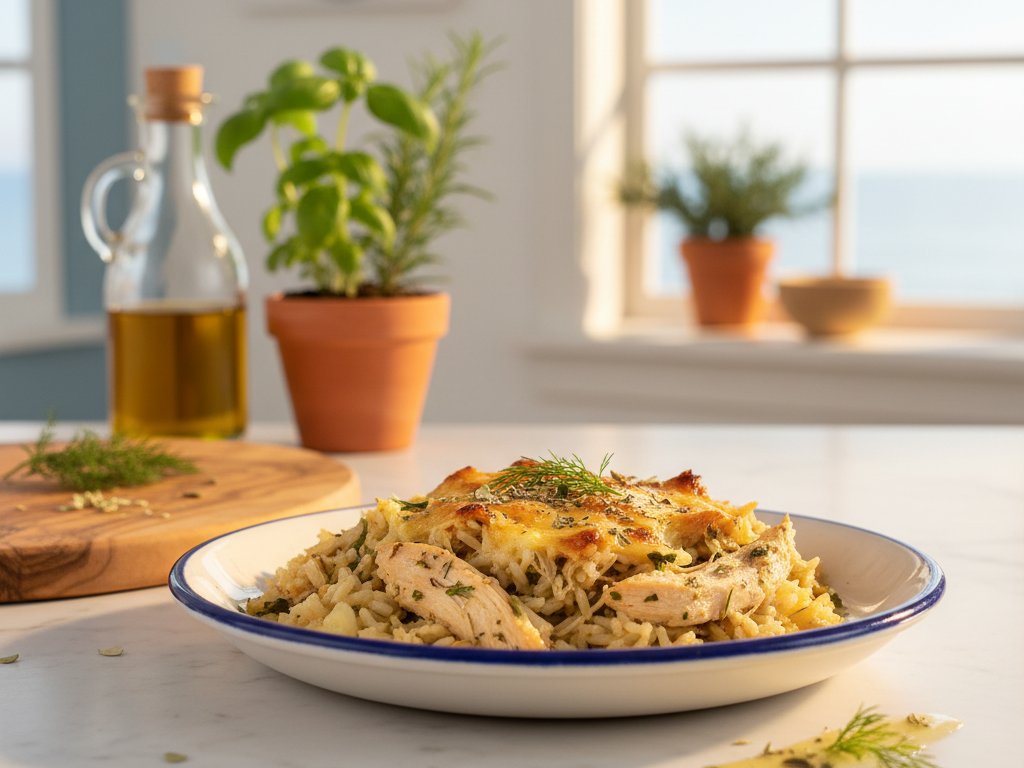
3. Greek Chicken Rice Casserole
This all-in-one casserole delivers 61 grams of protein and 554 calories per serving. Seasoned chicken breast bakes atop lemony rice with spinach, sun-dried...
View Recipe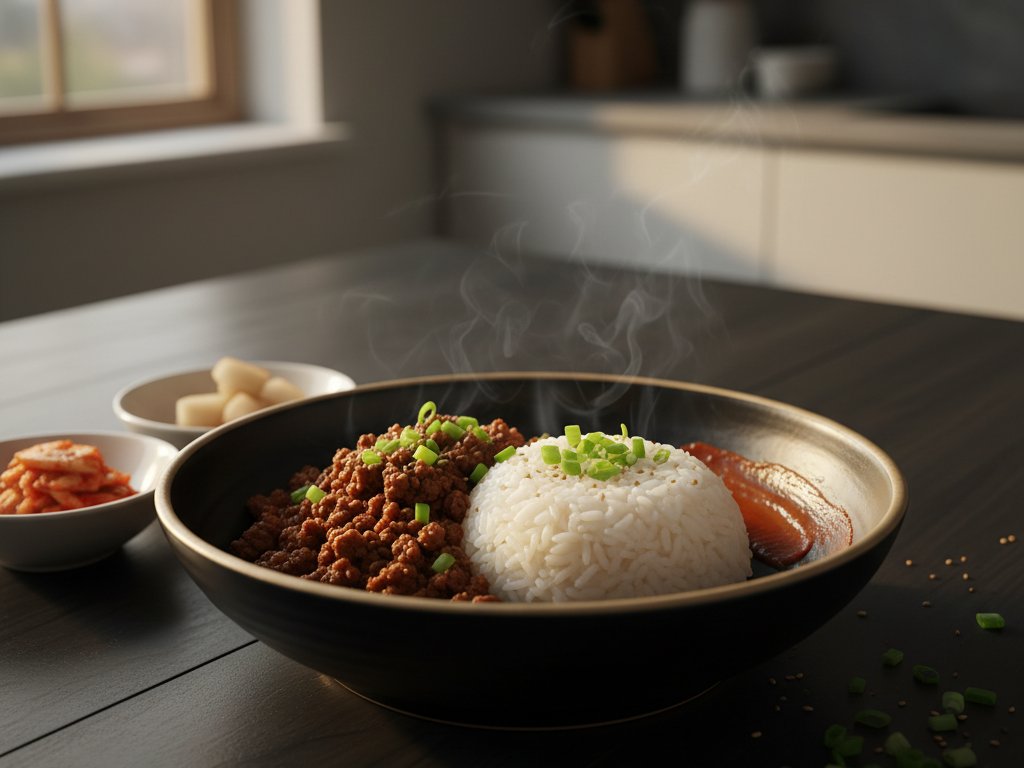
4. Korean Ground Beef Bowls
These r/fitmeals-approved Korean beef bowls deliver 57 grams of protein and 612 calories per serving. Sweet-savory ground beef glazed with gochujang and soy...
View Recipe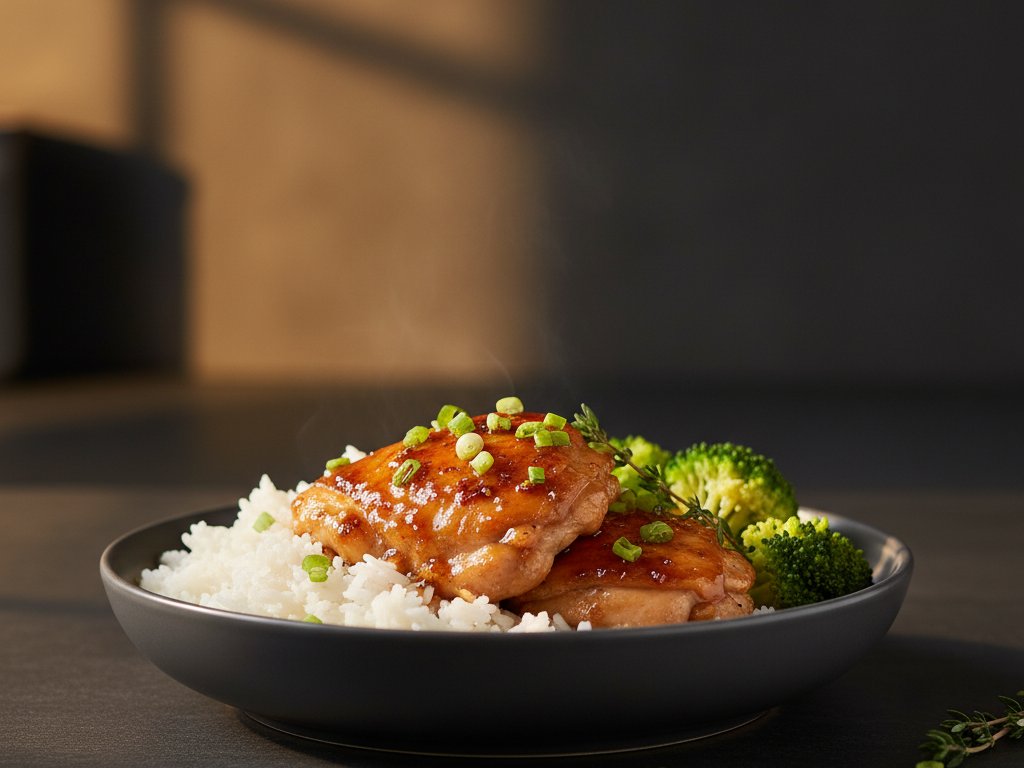
5. Honey Garlic Chicken Thighs Meal Prep
These sticky-sweet chicken thighs deliver 53 grams of protein and 633 calories per serving. Bone-in thighs get pan-seared until crispy-skinned, then glazed...
View Recipe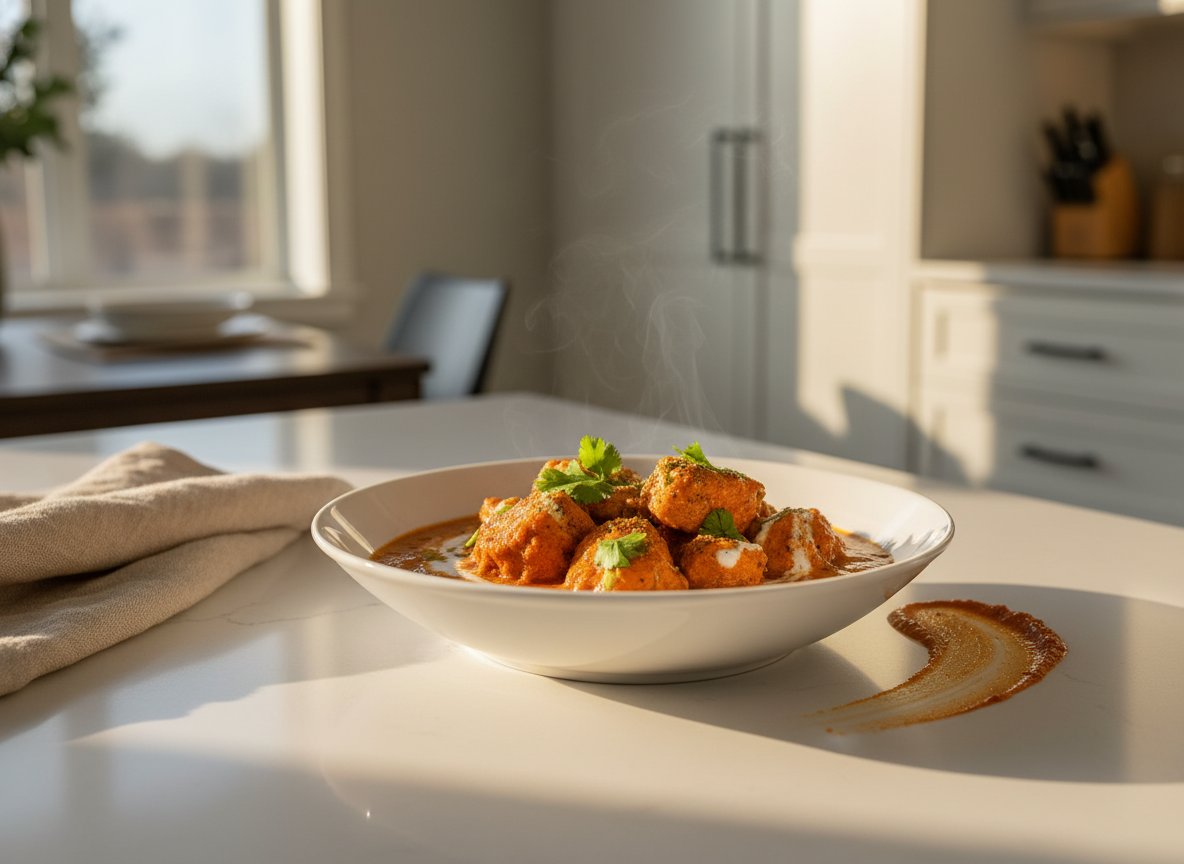
6. Instant Pot Chicken Tikka Masala
This Instant Pot chicken tikka masala delivers 53 grams of protein and 548 calories per serving with fall-apart tender chicken in a creamy, spiced tomato...
View Recipe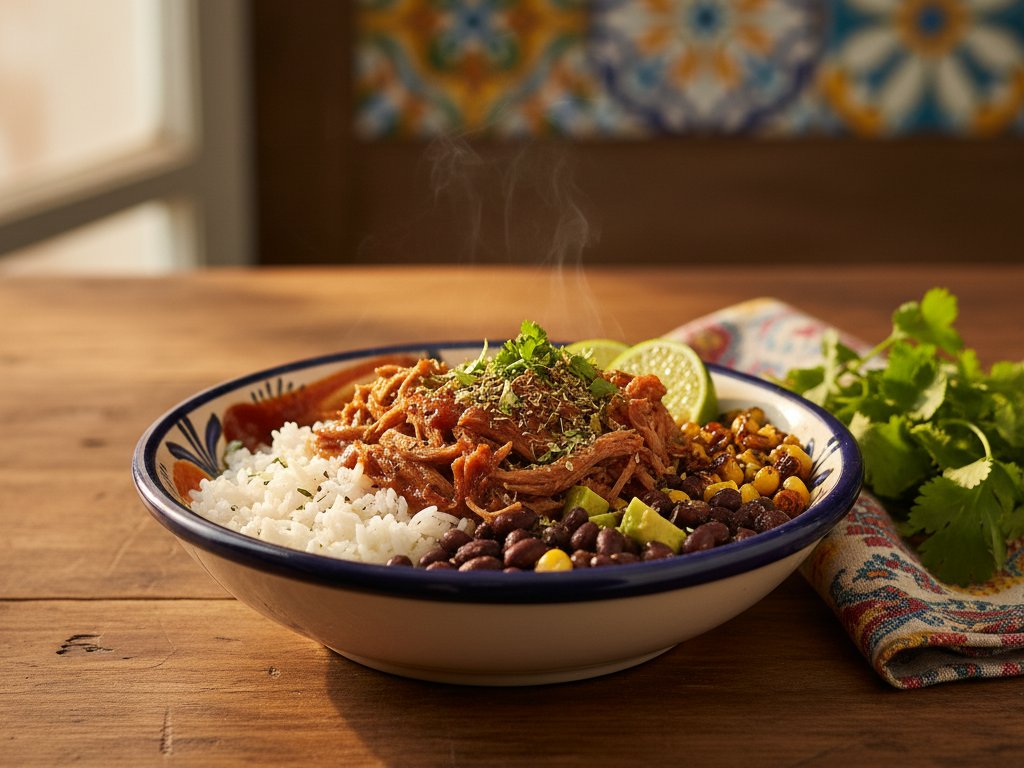
7. Slow Cooker Pulled Pork Protein Bowls
These carnitas-style protein bowls deliver 52 grams of protein and 726 calories per serving. Pork shoulder slow-cooks until fall-apart tender in citrus and...
View Recipe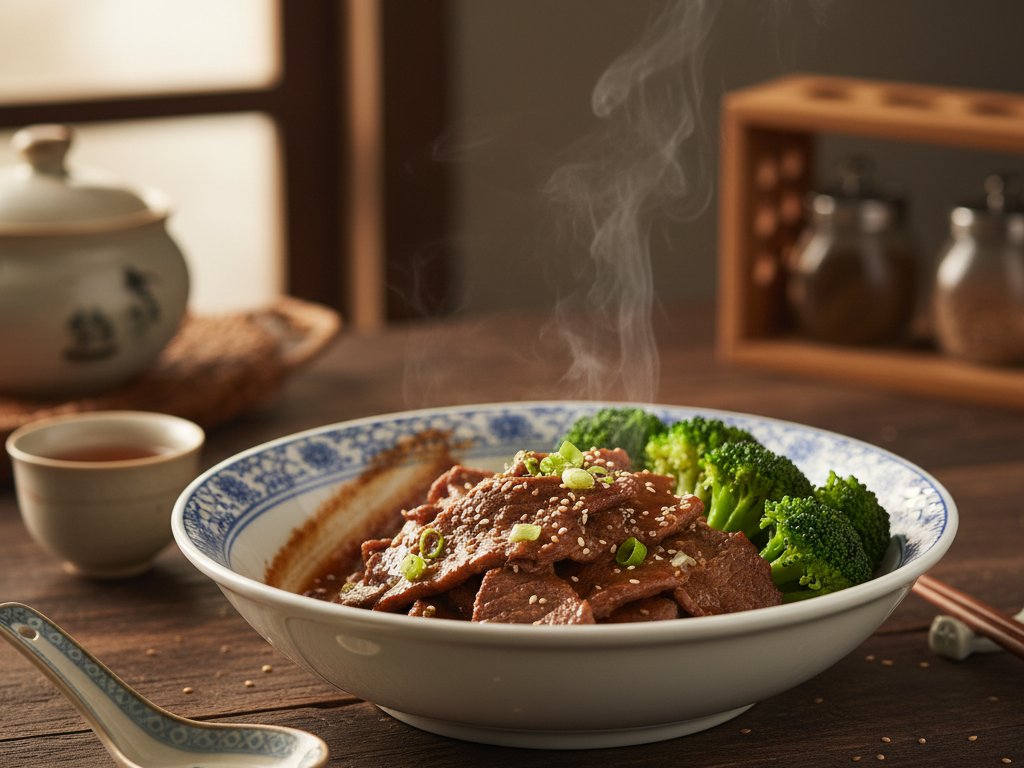
9. Beef and Broccoli Meal Prep
This better-than-takeout beef and broccoli delivers 45 grams of protein and 510 calories per serving. Tender sliced flank steak and crisp-tender broccoli...
View Recipe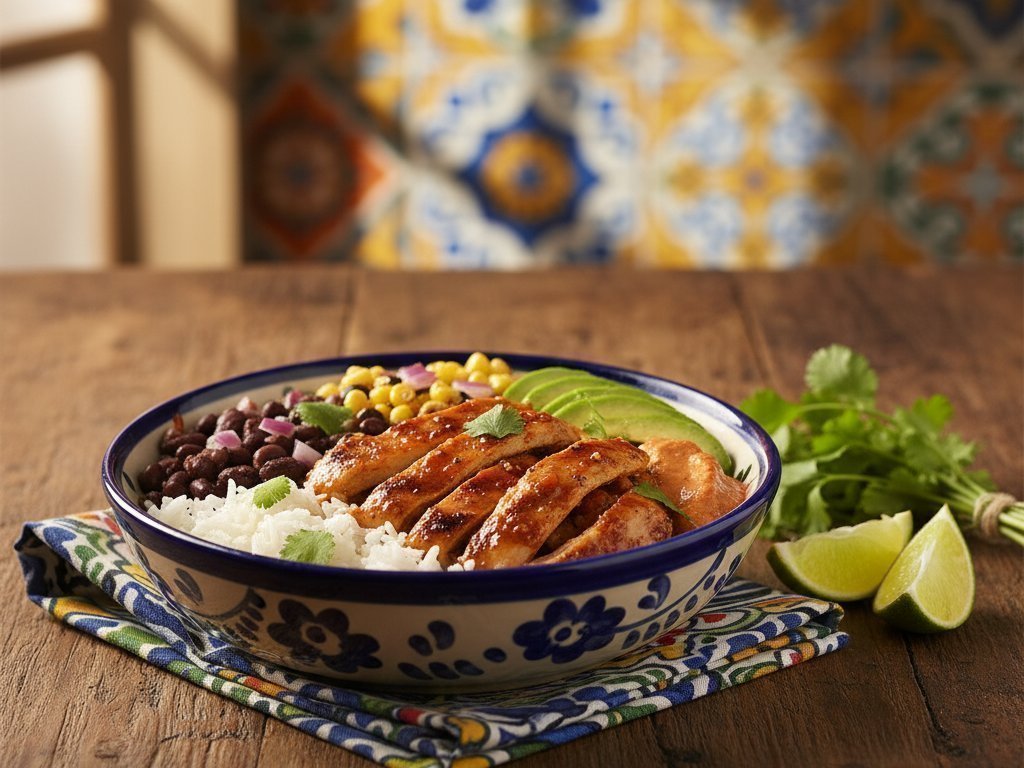
10. Chipotle Chicken Burrito Bowls
These meal-prep friendly Chipotle Chicken Burrito Bowls deliver approximately 40 grams of protein and 515 calories per serving.
View Recipe