10 Quick High-Protein Meals Ready in 30 Minutes or Less
No time? No problem. These quick high-protein meals deliver 30-65g protein in under 30 minutes. Perfect for busy weeknights when you need real nutrition fast.
Part of The Protein Atlas — your complete guide to protein.
Time is the resource most of us lack. Between work, commutes, family obligations, and the general chaos of modern life, cooking often gets pushed to the bottom of the priority list. The result? Takeout, processed convenience foods, or skipping meals entirely. None of these options support your fitness goals or overall health.
These quick high-protein meals prove that fast food doesn’t have to mean junk food. Every recipe in this collection delivers between 30 and 65 grams of protein per serving while taking 30 minutes or less from start to plate. That’s less time than ordering delivery, with dramatically better nutrition.
We’ve tested each recipe for real-world speed, accounting for actual prep time rather than the optimistic estimates that plague most recipe sites. These timings include chopping vegetables, measuring ingredients, and the inevitable moment when you realize the ginger is hiding behind the yogurt. If we say 25 minutes, we mean 25 minutes.
Why Quick High-Protein Meals Matter
The Weeknight Dilemma
Most nutrition advice assumes unlimited time and energy for cooking. In reality, Tuesday at 7 PM after a long day looks nothing like a leisurely Sunday afternoon. Quick high-protein meals bridge this gap, providing the nutrition you need in the time you actually have.
The consequences of not having quick dinner options are predictable: you default to whatever requires the least effort. Often that means cereal, frozen pizza, or expensive delivery that arrives lukewarm and leaves you hungry an hour later. Quick high-protein meals give you a better default option.
Protein Timing for Optimal Results
Research on protein timing suggests that distributing protein intake evenly across meals optimizes muscle protein synthesis and satiety. A massive protein-heavy dinner preceded by protein-light breakfast and lunch isn’t ideal. Quick high-protein dinners ensure you hit your evening protein target even on the busiest days.
For most active adults, aiming for 30-40 grams of protein at dinner supports muscle maintenance and recovery. Every recipe in this collection meets or exceeds that threshold, with several pushing into the 50-65 gram range for those with higher protein requirements.
The Speed-Quality Trade-off Myth
Conventional wisdom holds that good cooking takes time. While some dishes genuinely require slow braising or lengthy marination, many excellent meals come together quickly when you understand a few key principles:
- High-heat cooking techniques like stir-frying and sheet pan roasting develop flavor rapidly
- Pre-cut proteins like ground beef and thin-sliced chicken cook in minutes
- Mise en place (prepping all ingredients before cooking) eliminates mid-recipe scrambling
- One-pan methods reduce both cooking and cleanup time
These recipes leverage all these principles to deliver restaurant-quality meals in realistic timeframes.
Our Top 10 Quick High-Protein Meals
1. Harissa Shrimp Pita Pockets (64.8g Protein, 20 Minutes)
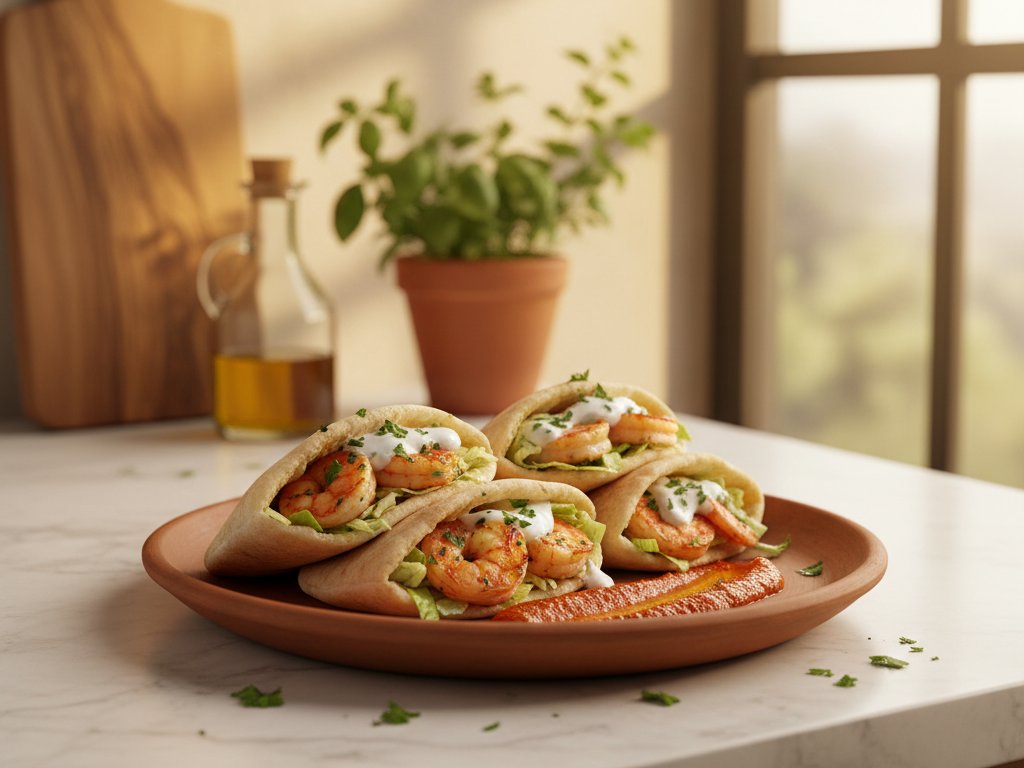
Leading our list with an exceptional 64.8 grams of protein in just 20 minutes, these harissa shrimp pita pockets demonstrate what’s possible when speed and nutrition align. Shrimp cooks in minutes, making it the ultimate quick protein, while harissa paste provides complex, smoky flavor without the hour of spice-building traditional recipes require.
The pita pocket format means everything comes together in a handheld package perfect for eating at the counter between activities or sitting down for a proper meal. Greek yogurt in the sauce adds creaminess and additional protein while cooling the harissa’s heat. From refrigerator to table in less time than it takes to watch a sitcom episode.
View the Harissa Shrimp Pita Pockets Recipe
2. Korean Ground Beef Bowls (57.1g Protein, 30 Minutes)
Korean cuisine has mastered the art of fast, flavorful cooking, and these ground beef bowls channel that expertise beautifully. At 57.1 grams of protein, they deliver serious nutrition while the combination of soy sauce, ginger, and sesame creates the caramelized, savory-sweet flavor profile that makes Korean food so craveable.
Ground beef is the secret weapon here, cooking in a fraction of the time required for whole cuts while still delivering satisfying texture and rich beef flavor. The rice can cook while you prep and brown the meat, so everything finishes simultaneously. Topped with a quick cucumber pickle and sesame seeds, these bowls look and taste like they took far longer than 30 minutes.
View the Korean Ground Beef Bowls Recipe
3. Turkey Breast Stir-Fry with Vegetables (55.2g Protein, 27 Minutes)
Stir-frying is perhaps the most efficient cooking method ever developed, and this turkey version delivers 55.2 grams of lean protein in under 30 minutes. The technique originated in kitchens where fuel was precious and time was short, making it perfectly suited for modern weeknights.
Thin-sliced turkey breast cooks in minutes over high heat, developing caramelization while staying juicy inside. The vegetables add color, fiber, and nutrients while extending the protein with minimal additional prep. A simple sauce of soy, ginger, and garlic ties everything together. This is practical cooking at its finest.
View the Turkey Breast Stir-Fry Recipe
4. Honey Sriracha Chicken Stir-Fry Bowls (47g Protein, 30 Minutes)
The honey-sriracha combination has become a modern classic for good reason: the sweetness of honey tempers sriracha’s heat while both flavors become more complex together than either is alone. At 47 grams of protein, these stir-fry bowls deliver serious nutrition alongside that crave-worthy flavor profile.
Chicken thighs are the protein of choice here, providing richer flavor and more forgiving texture than breast meat under high-heat cooking. They stay moist even if you’re distracted by a phone call mid-cooking. The vegetables add crunch and color while absorbing some of that delicious sauce.
View the Honey Sriracha Chicken Stir-Fry Bowls Recipe
5. Beef and Broccoli Meal Prep (45g Protein, 30 Minutes)
This takeout classic tastes better homemade and takes less time than waiting for delivery. At 45 grams of protein per serving, the traditional beef and broccoli combination proves why it’s endured as a weeknight staple. The sauce develops deep, savory flavor in minutes through proper technique rather than lengthy simmering.
Slicing beef against the grain and cutting into thin strips ensures quick cooking and tender results. Broccoli florets steam in the residual moisture from the sauce, turning bright green and perfectly crisp-tender. This recipe is specifically designed for meal prep, holding up beautifully when reheated throughout the week.
View the Beef and Broccoli Meal Prep Recipe
6. Teriyaki Salmon Sheet Pan (44.8g Protein, 25 Minutes)
Sheet pan cooking revolutionized weeknight dinners by eliminating most of the hands-on work, and this teriyaki salmon version is a prime example. At 44.8 grams of protein in just 25 minutes, it delivers omega-3-rich fish with minimal effort. The oven does the heavy lifting while you change out of work clothes or help with homework.
Salmon’s natural richness pairs beautifully with sweet-savory teriyaki glaze, which caramelizes slightly under the broiler for those irresistible sticky edges. Vegetables roasted alongside absorb some of that glaze, turning simple sides into something special. One pan means one thing to wash afterward.
View the Teriyaki Salmon Sheet Pan Recipe
7. Air Fryer Teriyaki Salmon (43.5g Protein, 25 Minutes)
The air fryer has earned its place as an essential quick-cooking tool, and salmon may be its ideal partner. This teriyaki version delivers 43.5 grams of protein while the air fryer’s circulating heat creates beautifully crisp edges without the mess of traditional pan-searing.
The speed advantage is significant: the air fryer preheats in minutes rather than the 15-20 minutes a conventional oven requires. That time savings adds up on busy weeknights. The teriyaki glaze develops a slightly caramelized surface under the intense heat, providing both flavor and visual appeal.
View the Air Fryer Teriyaki Salmon Recipe
8. Lightened Shrimp Pad Thai (42.4g Protein, 30 Minutes)
Pad Thai at home usually means an ambitious weekend project, but this streamlined version brings the essential flavors to your table in 30 minutes. At 42.4 grams of protein, the shrimp-heavy approach satisfies far better than typical noodle-dominant restaurant versions while keeping the dish quick.
The key shortcuts: using pre-cooked rice noodles or quick-soaking thin noodles, and building a simplified sauce that still delivers the tamarind-lime-fish sauce complexity that defines authentic pad Thai. Scrambled egg adds protein and traditional texture. The result tastes surprisingly close to the real thing despite taking a fraction of the time.
View the Lightened Shrimp Pad Thai Recipe
9. High-Protein Chicken Fried Rice (41.6g Protein, 30 Minutes)
Fried rice is the ultimate weeknight rescue meal, transforming leftovers and whatever vegetables you have on hand into something greater than the sum of its parts. This protein-focused version delivers 41.6 grams by using generous chicken portions and egg throughout.
The technique matters more than exact ingredients: high heat, minimal stirring to develop fond on the rice, and adding ingredients in the right sequence. Day-old rice works best because it’s drier, but freshly made rice spread on a sheet pan for 10 minutes while you prep other ingredients works nearly as well.
View the High-Protein Chicken Fried Rice Recipe
10. Asian Ground Pork Lettuce Wraps (39.7g Protein, 20 Minutes)
At just 20 minutes, these lettuce wraps represent the fastest complete meal on this list. The 39.7 grams of protein comes from seasoned ground pork wrapped in crisp butter lettuce leaves, creating satisfying handheld bites without the carbs of traditional wraps.
The sauce develops complex Asian flavors from hoisin, soy, and rice vinegar while water chestnuts add essential crunch. Ground pork cooks quickly while developing caramelized bits that concentrate flavor. Fresh lettuce cups provide cool contrast to the warm, savory filling.
View the Asian Ground Pork Lettuce Wraps Recipe
Techniques for Faster High-Protein Cooking
Master the Mise en Place
Professional kitchens live by mise en place, the French term for having everything in its place before cooking begins. For home cooks, this means:
- Reading the entire recipe before starting
- Measuring all ingredients
- Chopping all vegetables
- Having sauces and seasonings within arm’s reach
This upfront investment of 5-10 minutes eliminates the scrambling that slows down cooking and leads to burned food while you search for missing ingredients.
Invest in Quick-Cooking Proteins
Not all proteins cook at the same speed. For 30-minute meals, prioritize:
- Shrimp: Cooks in 3-4 minutes, versatile flavor profile
- Ground meats: High surface area means rapid cooking
- Thin-cut chicken or beef: Slicing proteins thin dramatically reduces cooking time
- Fish fillets: Most fish cooks in 10-15 minutes
- Eggs: The original fast protein, ready in minutes
Whole chicken breasts, thick steaks, and bone-in cuts require more time. Save those for weekends when you have leisure to cook them properly.
Use High-Heat Techniques
Low-and-slow cooking develops flavor through time, but high-heat cooking develops flavor through the Maillard reaction in minutes. Stir-frying, pan-searing, and broiling all produce complex flavors quickly by promoting browning and caramelization.
The key is working in batches if needed. Overcrowding the pan drops the temperature and leads to steaming rather than searing. Better to cook protein in two quick batches than to end up with gray, steamed meat from an overcrowded pan.
Embrace One-Pan Methods
Every additional pot and pan adds cooking time (watching multiple things simultaneously) and cleanup time (washing everything afterward). Sheet pan dinners, skillet meals, and stir-fries minimize both.
The recipes in this collection are specifically designed around one-pan efficiency. Where two pans are unavoidable (like rice plus a stir-fry), the timing ensures both components finish simultaneously.
Making Quick Meals Even Quicker
Weekend Prep That Pays Dividends
Thirty minutes on Sunday can save hours during the week:
- Wash and chop vegetables: Store in containers lined with paper towels
- Marinate proteins: Many marinades work in as little as 30 minutes, but overnight develops more flavor
- Make sauce bases: Most stir-fry sauces keep refrigerated for a week
- Cook grains in advance: Rice, quinoa, and other grains reheat quickly
Strategic Pantry Stocking
Quick cooking relies on having the right ingredients on hand. Essentials include:
- Soy sauce, fish sauce, rice vinegar: The foundation of fast Asian-inspired cooking
- Garlic, ginger, scallions: Fresh aromatics that transform simple dishes
- Sesame oil: A little goes a long way for authentic flavor
- Dried spices and spice blends: Harissa, curry powder, and chili flakes add complexity without prep
- Quick-cooking grains: Rice, couscous, and thin rice noodles
Freezer Protein Strategy
Keep your freezer stocked with quick-cooking proteins:
- Individual chicken breasts: Thaw in cold water in 30 minutes
- Shrimp: Cook from frozen in many recipes
- Ground meat: Thaws faster than whole cuts
- Fish fillets: Many can cook directly from frozen
Vacuum-sealed portions thaw faster and maintain better quality than loosely wrapped proteins.
Scaling Quick Meals for Different Goals
For Weight Loss
These recipes work well for calorie-controlled eating:
- Choose the lettuce wrap option over rice to reduce carbohydrates
- Use cauliflower rice instead of regular rice in stir-fry dishes
- Focus on protein and vegetables, moderating sauce amounts
- The shrimp and fish options tend to be lowest in calories per gram of protein
For Muscle Building
When calories and protein both need to be high:
- Add extra protein to any recipe without significantly extending cooking time
- Use fattier protein cuts for additional calories
- Serve with generous portions of rice or noodles
- Don’t skimp on sauce, where much of the flavor lives
For Meal Prep
Most recipes in this collection store and reheat well:
- Cook proteins slightly under-done, as they’ll continue cooking when reheated
- Store sauce separately when possible to prevent sogginess
- Rice-based dishes generally reheat better than noodle-based ones
- The beef and broccoli and Korean beef bowls were specifically designed for meal prep
Frequently Asked Questions
Can I really make a high-protein meal in 30 minutes?
Absolutely. The recipes in this collection have been tested multiple times to verify realistic cooking times. The key is choosing quick-cooking proteins like shrimp, ground meat, or thin-sliced chicken, and using high-heat techniques that develop flavor rapidly. Professional restaurant kitchens produce complex dishes in minutes using these same principles.
What’s the fastest high-protein meal I can make?
The Asian Ground Pork Lettuce Wraps come together in just 20 minutes while delivering 39.7 grams of protein. The Harissa Shrimp Pita Pockets are equally fast at 20 minutes with even more protein at 64.8 grams. Both recipes use quick-cooking proteins and minimal equipment.
Are these quick meals healthy?
Yes. Every recipe prioritizes whole food ingredients and balanced macronutrients. They’re high in protein for satiety and muscle support, include vegetables for fiber and micronutrients, and use healthy fats from sources like olive oil and sesame oil. They’re dramatically healthier than the fast food or processed options they replace.
Can I meal prep these quick dinners?
Most of these recipes meal prep excellently. The beef and broccoli, Korean beef bowls, and chicken fried rice were specifically designed with meal prep in mind. Stir-fry dishes generally reheat better in a hot pan or wok rather than the microwave, which can make proteins rubbery.
What equipment do I need for quick high-protein cooking?
A large skillet or wok handles most recipes in this collection. A sheet pan covers the oven-based options. An air fryer significantly speeds up certain recipes but isn’t essential. Beyond that, basic knives, cutting boards, and measuring tools are all you need.
How can I add even more protein to these recipes?
Several strategies work without significantly extending cooking time: add an extra egg or two to fried rice dishes, increase the meat portions by 25-50%, top finished dishes with a fried egg, or serve with a side of Greek yogurt-based sauce. Most recipes can easily accommodate an additional 10-20 grams of protein.
Are quick stir-fry meals authentic?
While these recipes take inspiration from Asian cuisines rather than adhering strictly to traditional preparations, they capture the essential techniques and flavor profiles. Authentic home cooking in China, Korea, and Southeast Asia is often remarkably fast because the techniques were developed for efficiency. Speed and authenticity aren’t mutually exclusive.
What if I don’t have all the ingredients?
These recipes are forgiving. Most stir-fry sauces can be adjusted based on what you have. Swap proteins freely, as chicken, shrimp, beef, and pork work in most of these dishes. Substitute vegetables based on availability. The techniques matter more than exact ingredient lists.
Can I make these meals lower in sodium?
Soy sauce and fish sauce contribute most of the sodium in these recipes. Use reduced-sodium versions to cut salt content significantly. You can also reduce the amount of sauce while adding aromatics like ginger, garlic, and citrus to maintain flavor. Start with half the called-for amount and adjust to taste.
How do I prevent stir-fry dishes from getting watery?
Watery stir-fries result from overcrowding the pan and cooking at too low a temperature. Cook protein in batches if needed, letting the pan return to high heat between additions. Make sure vegetables are dry before adding to the pan. A properly heated wok or skillet should produce sizzling, not steaming.
Time Well Spent
These quick high-protein meals represent a philosophy as much as a recipe collection: good nutrition shouldn’t require unlimited time. Twenty to thirty minutes is enough to produce genuinely satisfying, protein-rich meals that support your health goals.
The investment pays dividends beyond nutrition. Cooking at home means knowing exactly what’s in your food. It costs less than restaurant meals or delivery. It builds a skill that serves you for life. And with recipes this fast, there’s no excuse for defaulting to processed alternatives.
Start with one recipe from this collection this week. Once you’ve mastered the techniques, you’ll find yourself adapting them freely, creating your own quick high-protein variations based on what’s in your refrigerator. That’s the ultimate goal: not dependence on recipes, but confidence in your ability to produce nutritious meals quickly whenever you need them.
Browse our complete collection of high-protein meal recipes for more dinner inspiration, or explore our quick-bites section for protein-packed snacks and lighter options.
Featured Recipes
All 10 recipes from this article, ready to cook
1. Harissa Shrimp Pita Pockets
Harissa Shrimp Pita Pockets deliver approximately 64 grams of protein and 690 calories per serving. Shrimp are marinated in a spicy harissa blend, quickly...
View Recipe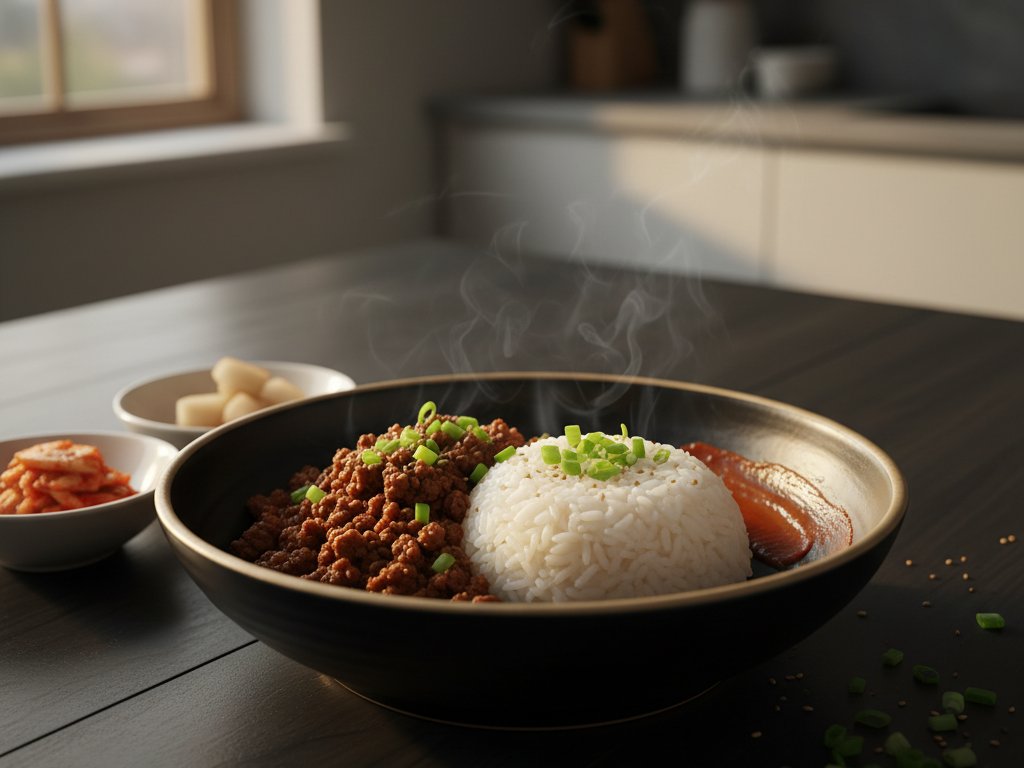
2. Korean Ground Beef Bowls
These r/fitmeals-approved Korean beef bowls deliver 57 grams of protein and 612 calories per serving. Sweet-savory ground beef glazed with gochujang and soy...
View Recipe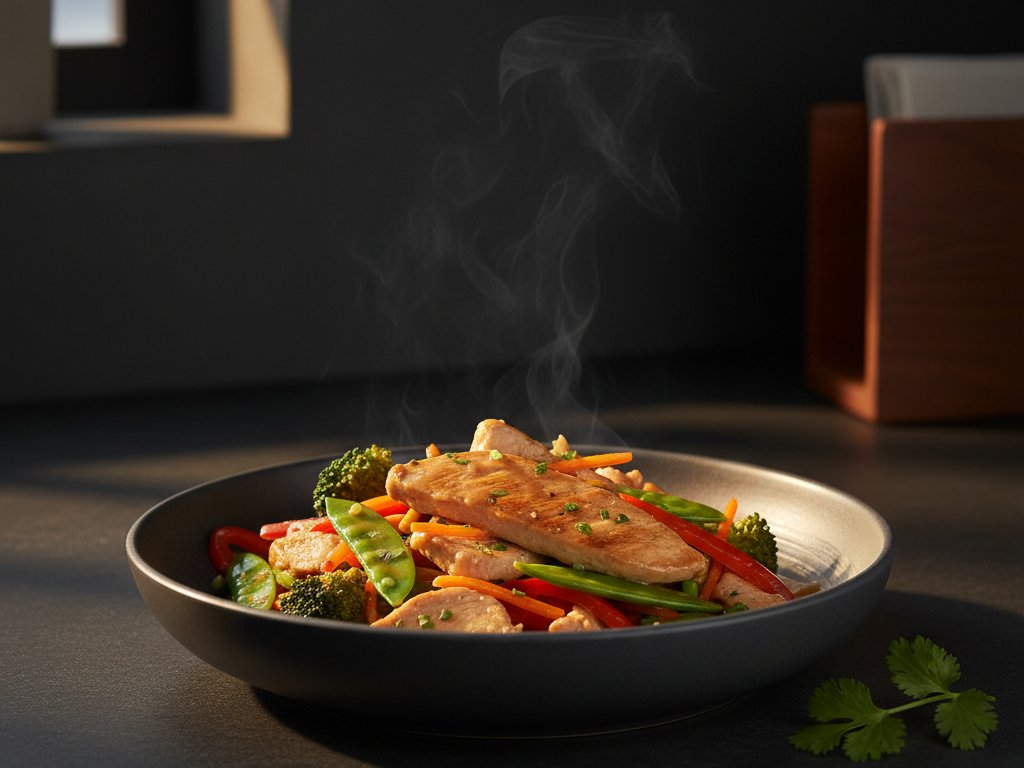
3. Turkey Breast Stir-Fry with Vegetables
This quick weeknight stir-fry delivers 55 grams of protein and 564 calories per serving. Velveted turkey breast stays tender and juicy alongside crisp...
View Recipe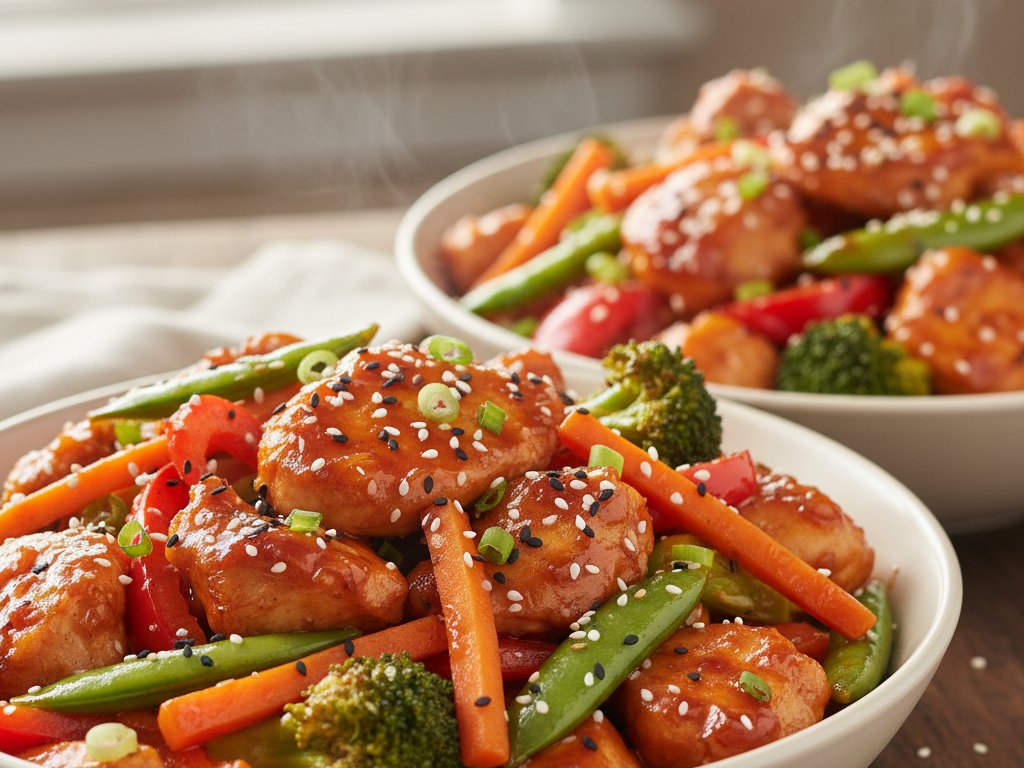
4. Honey Sriracha Chicken & Veggie Stir-Fry Bowls
These savory Honey Sriracha Chicken & Veggie Stir-Fry Bowls provide approximately 47 grams of protein and 666 calories per serving.
View Recipe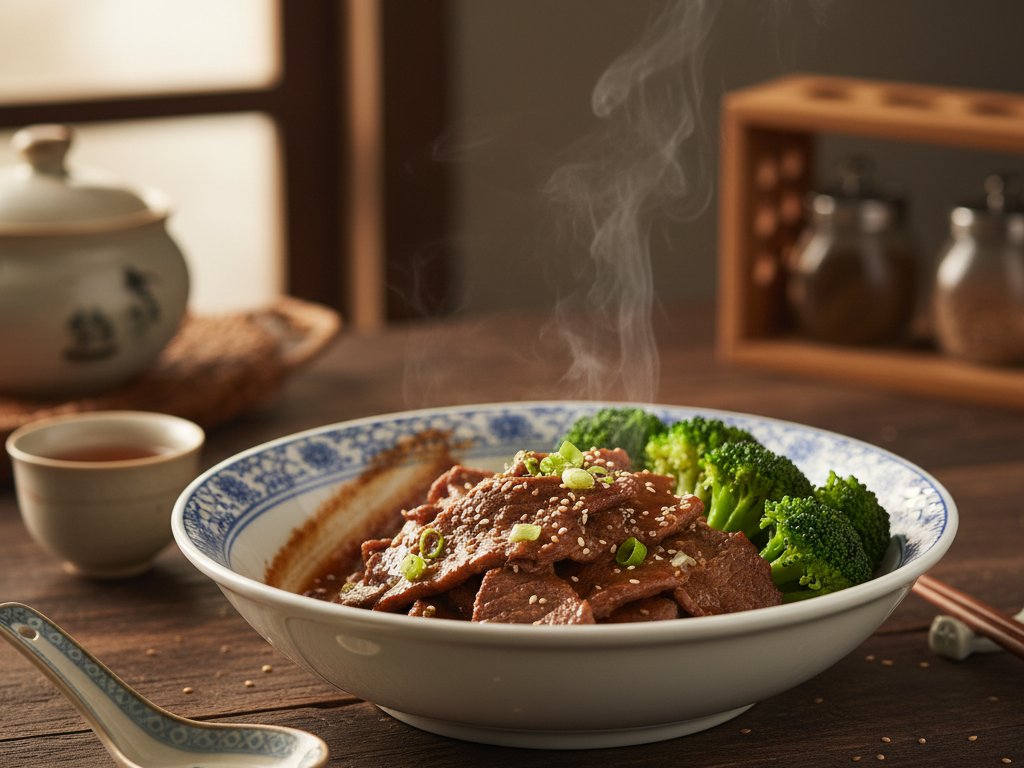
5. Beef and Broccoli Meal Prep
This better-than-takeout beef and broccoli delivers 45 grams of protein and 510 calories per serving. Tender sliced flank steak and crisp-tender broccoli...
View Recipe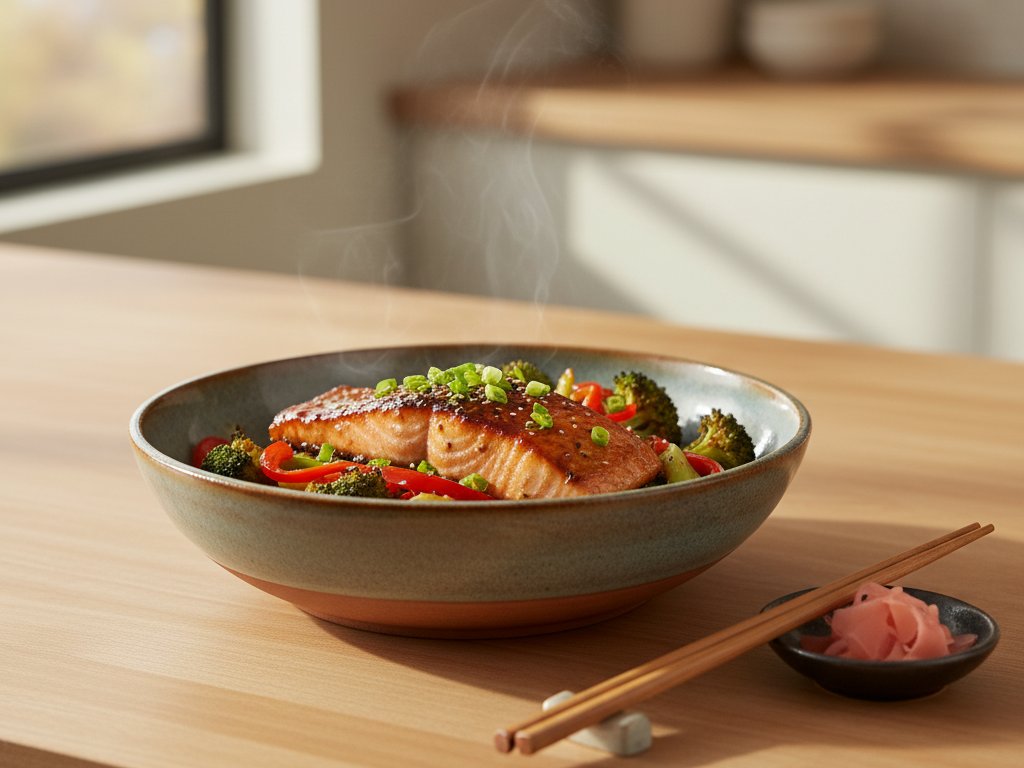
6. Teriyaki Salmon Sheet Pan
This 25-minute sheet pan dinner delivers 44 grams of protein and 688 calories per serving. Glazed salmon fillets roast alongside broccoli and snap peas in a...
View Recipe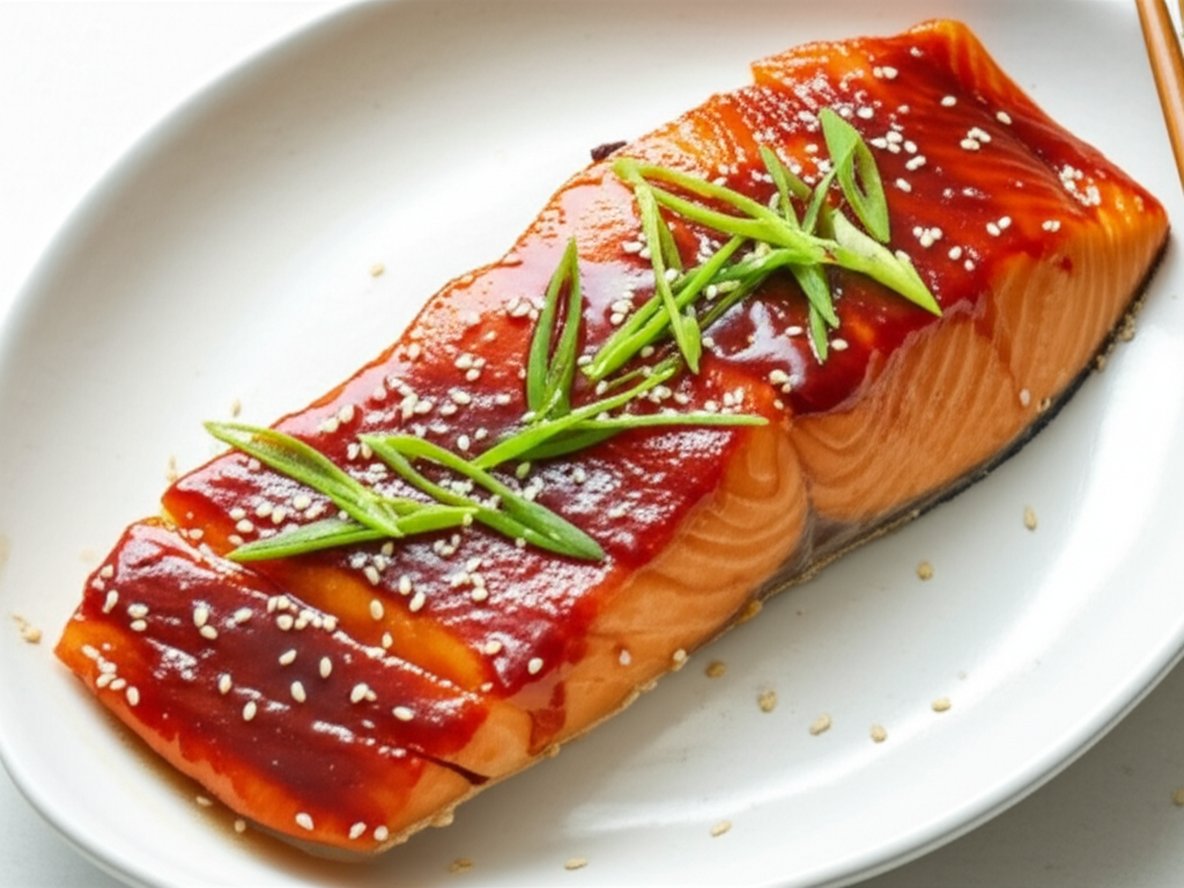
7. Air Fryer Teriyaki Salmon
This air fryer teriyaki salmon delivers 44 grams of protein and 577 calories per serving with a caramelized glaze and ideally flaky fish.
View Recipe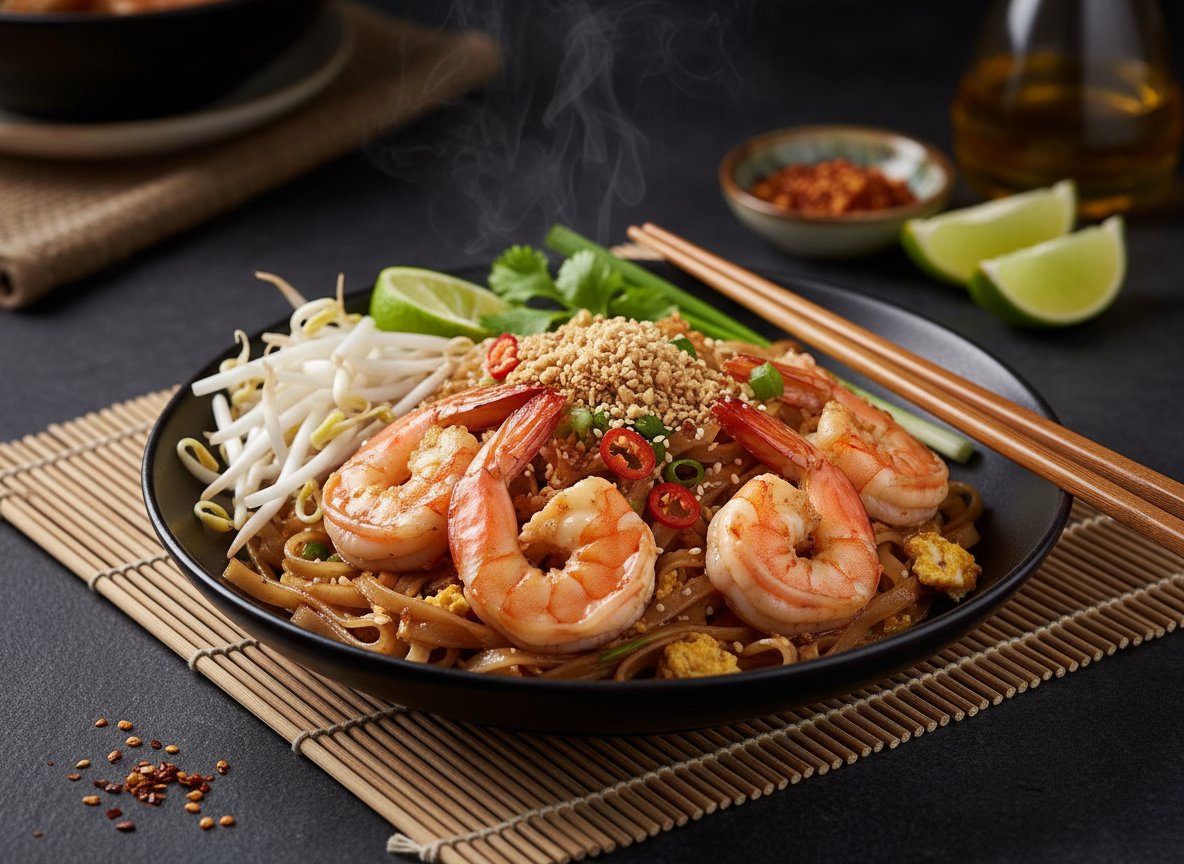
8. Lightened Shrimp Pad Thai
A lighter take on the Thai classic, this Shrimp Pad Thai delivers 39 grams of protein and just 530 calories per serving.
View Recipe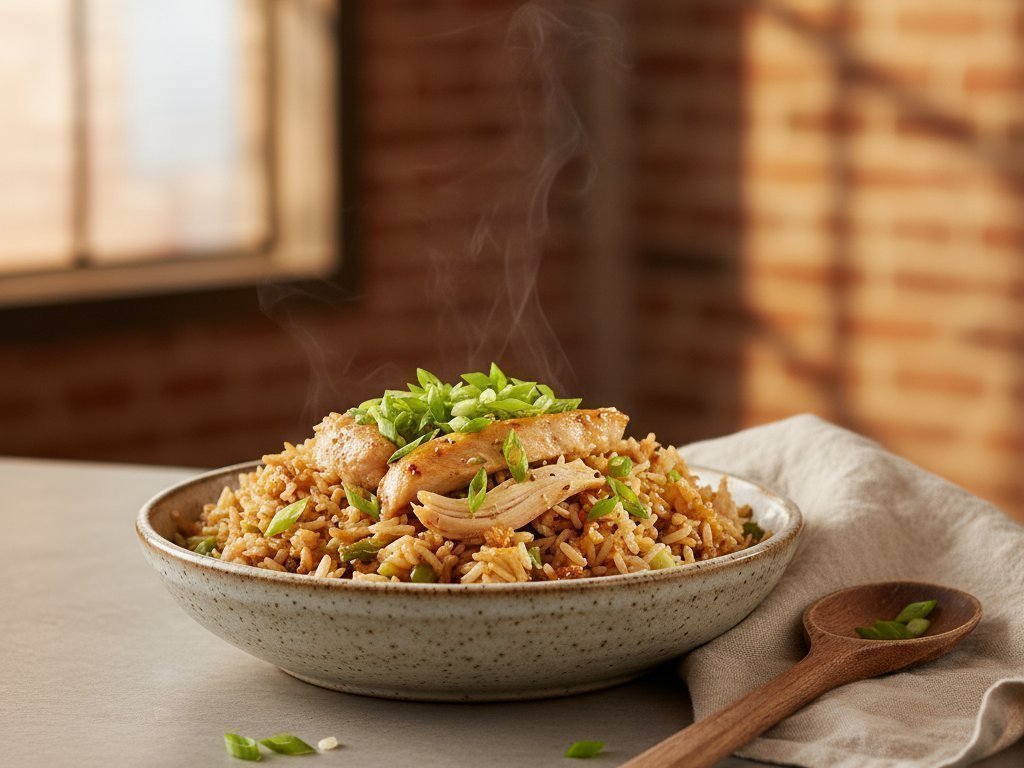
9. High-Protein Chicken Fried Rice
This High-Protein Chicken Fried Rice delivers approximately 41 grams of protein and 535 calories per serving. Diced chicken, scrambled eggs, and mixed...
View Recipe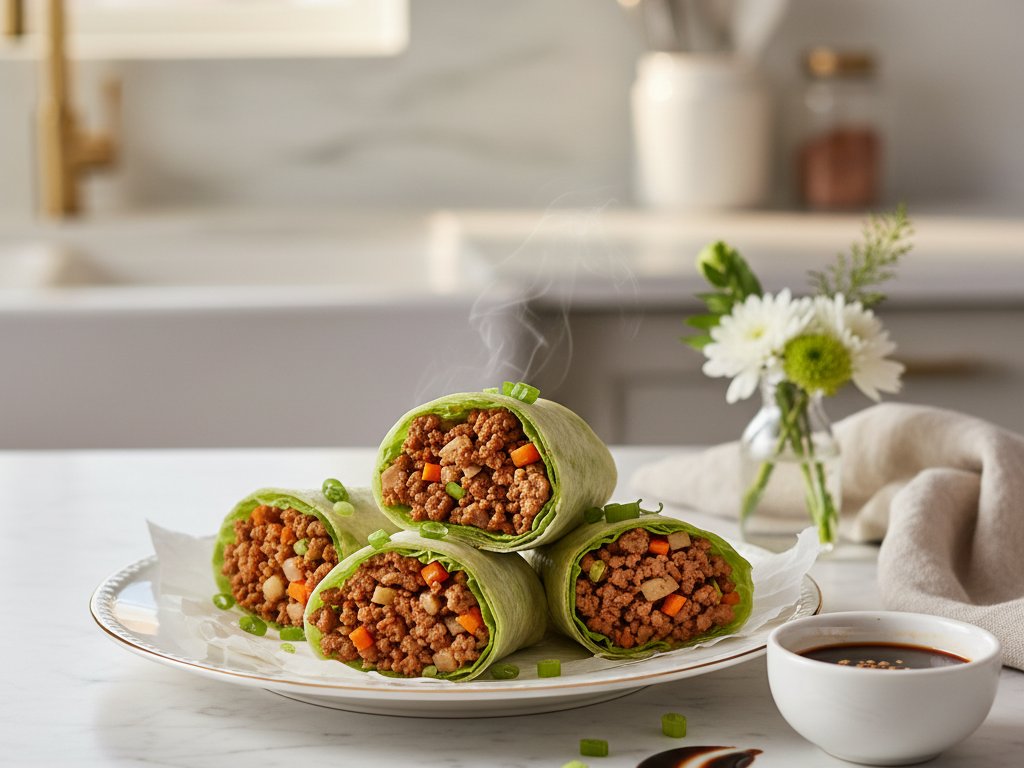
10. Asian Ground Pork Lettuce Wraps
These P.F. Chang's-inspired lettuce wraps deliver 37 grams of protein and 673 calories per serving. Savory ground pork mingles with crunchy water chestnuts...
View Recipe