

Meals · High Protein
Teriyaki Salmon Sheet Pan (42g Protein)
This 25-minute sheet pan dinner delivers 44 grams of protein and 688 calories per serving. Glazed salmon fillets roast alongside broccoli and snap peas in a sticky-sweet homemade teriyaki sauce, then get served over rice for a complete meal prep-ready dinner that portions beautifully into four containers.
Nutrition per serving
- Protein
- 42 g
- Calories
- 485
- Carbs
- 50 g
- Fat
- 35 g
Nutritional values are estimates based on standard ingredient data and may vary by brand or preparation method. This information is for general reference only and is not a substitute for professional dietary advice. Consult a healthcare provider or registered dietitian for personalized nutrition guidance.
Ingredients
- 1.5 lbs salmon fillets — skin-on or skinless, 4 portions
- 4 cups broccoli florets
- 2 cups snap peas — trimmed
- 1/4 cup soy sauce — low-sodium
- 3 tbsp honey
- 2 tbsp rice vinegar
- 1 tbsp sesame oil
- 4 cloves garlic — minced
- 1 tbsp fresh ginger — grated
- 1 tsp cornstarch
- 2 tbsp vegetable oil
- 1.5 cups white rice — dry, for serving
- 1 tbsp sesame seeds — for garnish
- 3 stalks green onions — sliced, for garnish
Steps
- Start rice first: Rinse 1.5 cups rice, combine with 2.25 cups water in a pot, bring to boil, reduce to simmer, cover 15-18 minutes.
- Preheat oven to 400°F. Line a large rimmed sheet pan with parchment paper.
- Make teriyaki sauce: Whisk together soy sauce, honey, rice vinegar, sesame oil, garlic, ginger, and cornstarch in a small bowl.
- Toss broccoli and snap peas with vegetable oil and a pinch of salt. Spread on one side of the sheet pan.
- Pat salmon fillets dry. Place on the other side of the sheet pan, skin-side down if applicable.
- Brush half the teriyaki sauce over salmon fillets, reserving the rest.
- Roast 12-15 minutes until salmon reaches 125°F internal (medium) or 145°F (well-done) and vegetables are tender-crisp.
- Remove pan from oven. Brush remaining teriyaki sauce over salmon. The residual heat will thicken it into a glaze.
- Fluff rice with a fork. Divide rice among four containers or plates.
- Top rice with salmon and vegetables. Garnish with sesame seeds and sliced green onions.
Why This Works
Atlantic salmon (USDA #175167) delivers 20g protein per 100g raw. The sheet pan method solves the common problem of overcooked vegetables or undercooked fish: vegetables go on first and get a 5-minute head start at high heat, then salmon joins for the final 12-15 minutes. Brushing teriyaki sauce on twice—before and after roasting—builds layers of flavor. The cornstarch in the sauce helps it cling to the fish and caramelize rather than slide off. Pulling salmon at 125°F yields a moist, medium interior. Compared to a restaurant teriyaki salmon entree (~28g protein, ~600 calories), this version delivers 50% more protein at 19% fewer calories by using a larger 6oz fillet and skipping the butter-heavy sides.
The Teriyaki Technique
Real teriyaki is not the thick, corn-syrup-based sauce from a bottle. This quick homemade version uses honey for sweetness, soy sauce for salt and umami, and rice vinegar for brightness. The key is brushing it on in two stages: the first coat before roasting creates a base that caramelizes, while the second coat after roasting stays glossy and sticky. If you prefer a thicker glaze, simmer the sauce in a small pan for 2-3 minutes before using. For meal prep, store extra sauce separately and add when reheating.
Meal Prep Strategy
Salmon is one of the best proteins for meal prep. It reheats better than chicken breast and the omega-3 fats keep it moist. Those omega-3s are also why salmon outperforms tuna for meal prep: the higher fat content prevents that dry, chalky texture after reheating. We compared salmon and tuna across every metric that matters. Portion into four containers with rice on one side and salmon plus vegetables on the other. Refrigerate up to 4 days. To reheat: microwave covered at 50% power for 2 minutes (prevents rubbery texture), or reheat in a 300°F oven for 8-10 minutes. The lower temperature is critical. High heat makes salmon dry and fishy. Add a splash of water to the container before microwaving to create steam.
Sources Research-Backed
Frequently Asked Questions
Can I freeze Teriyaki Salmon Sheet Pan?
Yes, but texture is best fresh. Freeze cooked salmon in airtight containers for up to 3 months. Thaw overnight in the refrigerator and reheat at 300°F for 8-10 minutes. The teriyaki glaze protects the salmon from drying out during freezing.
Is Teriyaki Salmon gluten-free?
Not as written. Soy sauce contains wheat. Use tamari or coconut aminos for a gluten-free version with nearly identical flavor. Check that your mirin is gluten-free as well; some brands contain barley.
How do I know when the salmon is done?
Salmon is done at 125°F for medium (slightly pink center) or 145°F for well-done. At 400°F, this takes 12-15 minutes for 6-ounce fillets. The flesh should flake easily with a fork and turn from translucent to opaque.
Featured In
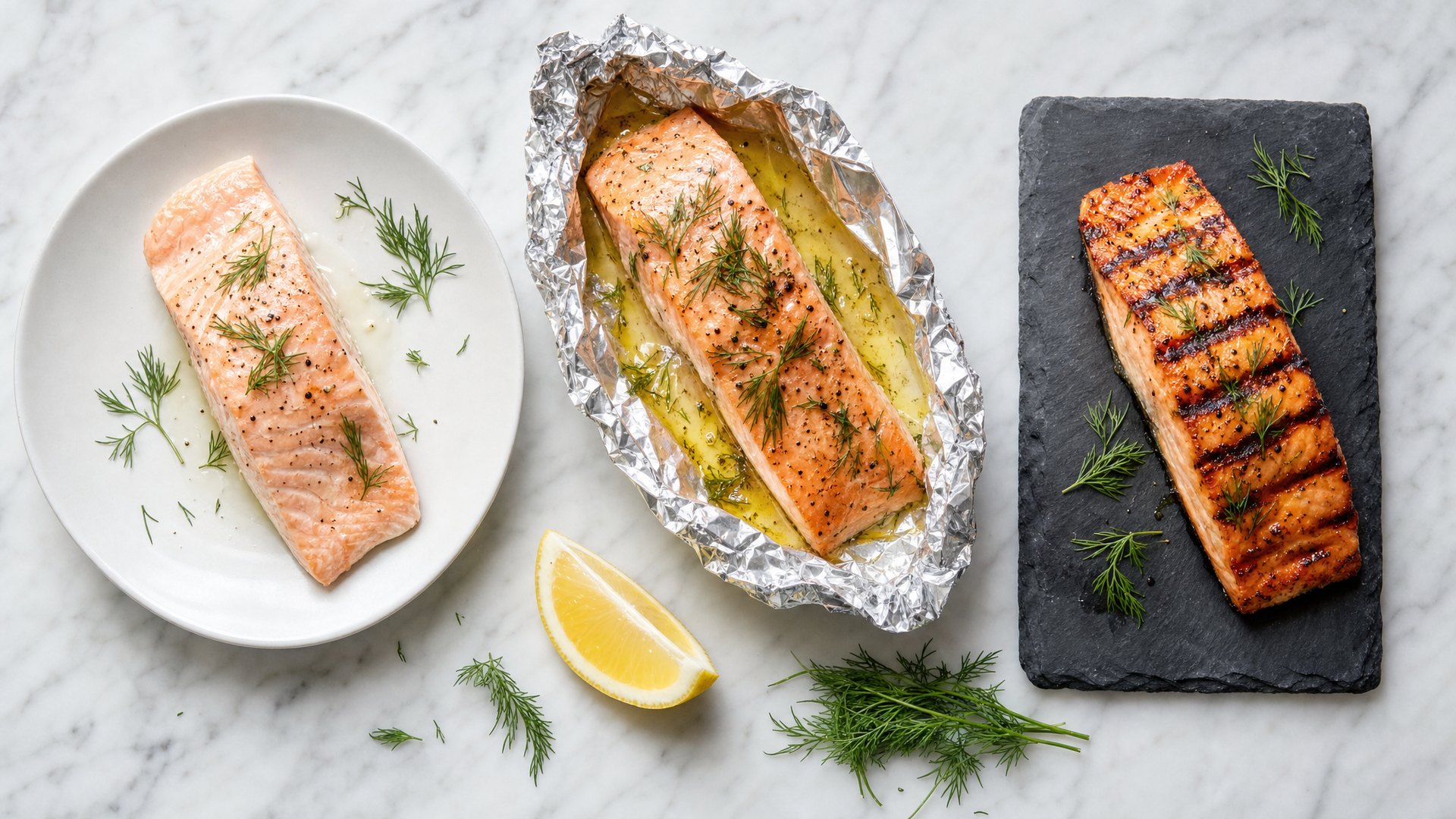
Does Cooking Fish Destroy Omega-3? Retention by Method, With Numbers
Heat doesn't destroy much omega-3, but cooking still costs you some — about a third of it with gentle methods, more with grilling and deep-frying, almost all of it leaving with fat and moisture rather than breaking down. Here's the retention-by-method table, recalculated from the primary data.
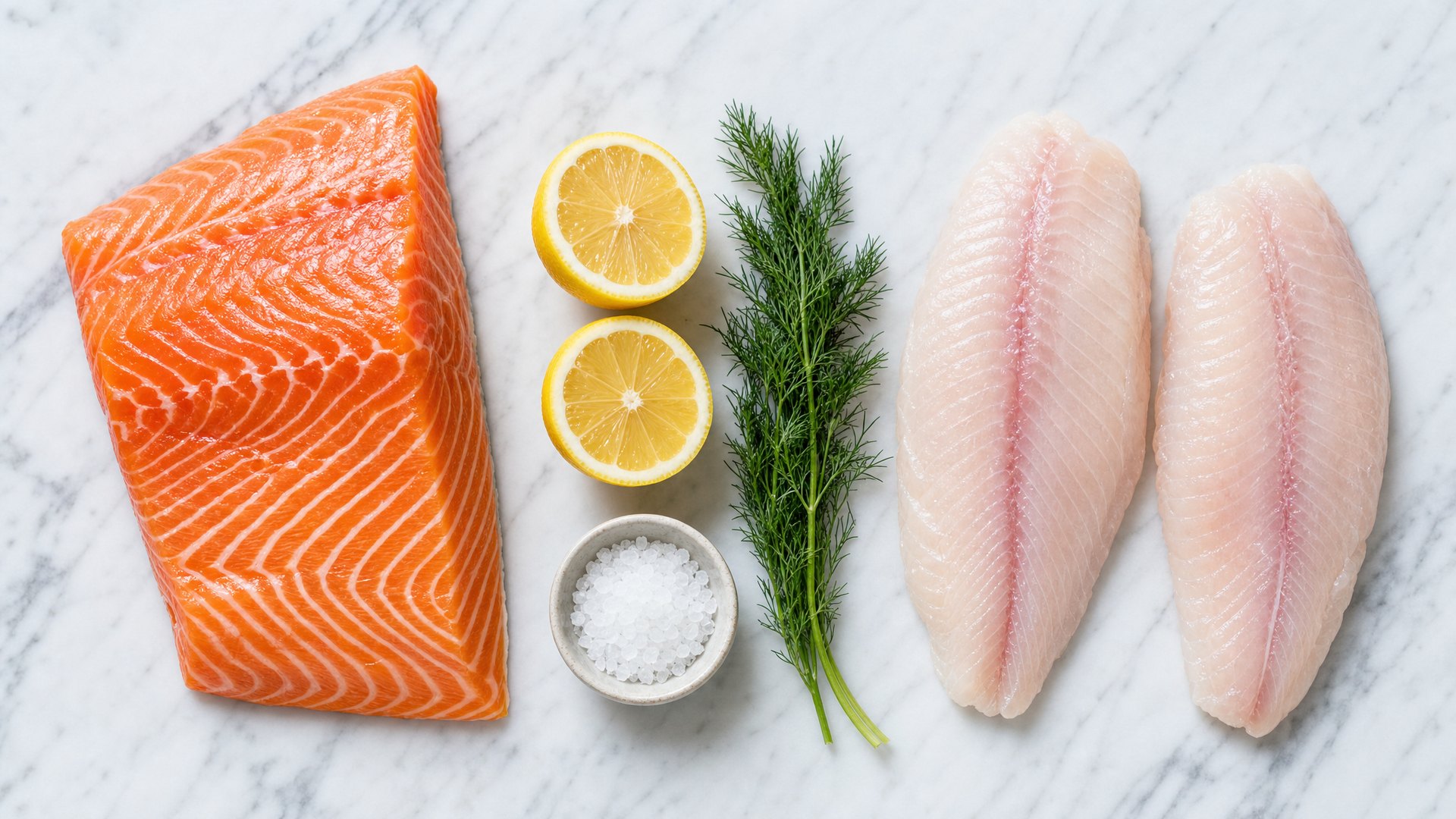
Salmon vs Tilapia: Protein, Price, and What You Actually Give Up
Raw fillet to raw fillet, the protein is a near-tie. Tilapia delivers 2-2.8x more protein per dollar at Canadian prices; salmon carries about 16x the omega-3. Full comparison with the math shown.
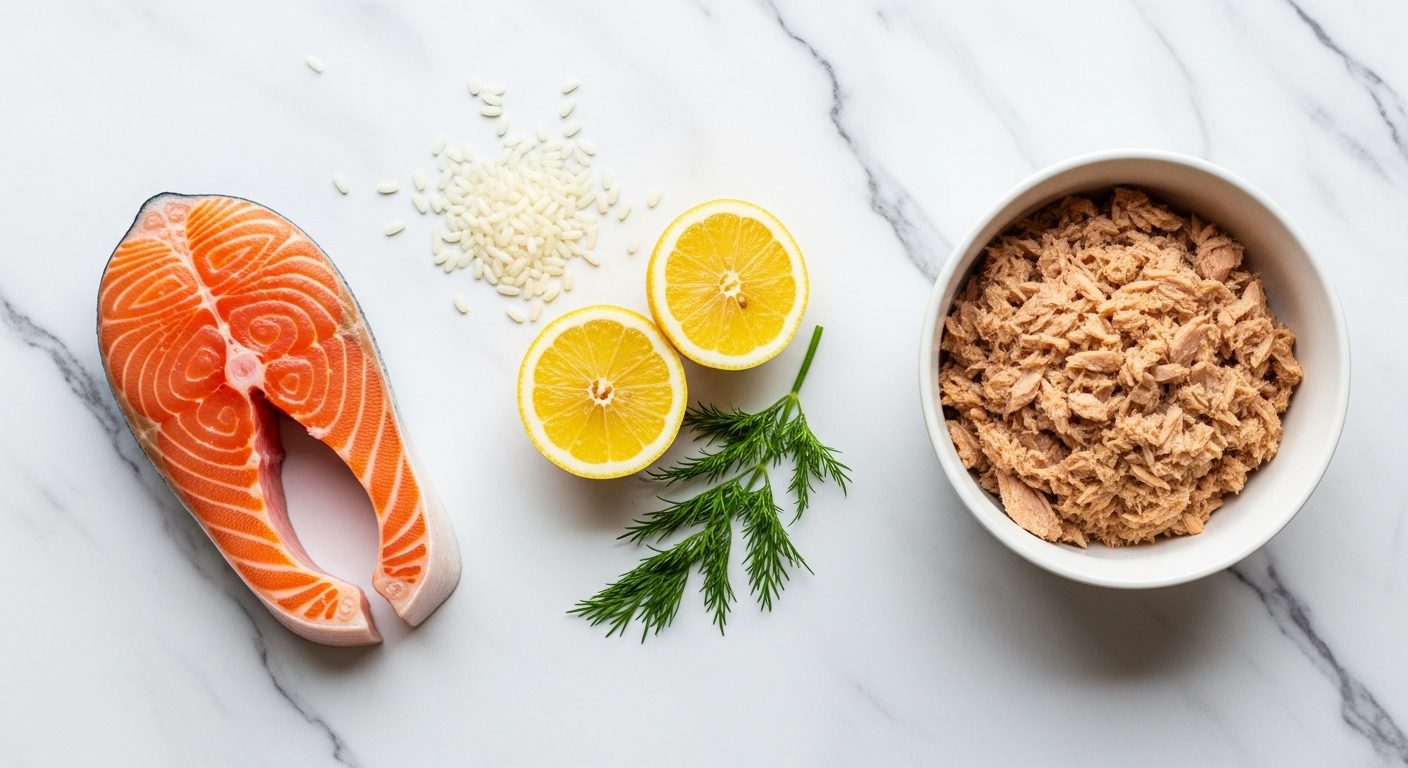
Tuna vs Salmon: Protein, Price, and Which to Actually Buy
Tuna has more protein per calorie. Salmon has 18x the omega-3s. Canned tuna costs a third as much. Data-backed comparison with recipes for both.


