
Meals · High Protein
Miso Glazed Salmon Rice Bowls (37g Protein)
These savory Miso Glazed Salmon Rice Bowls deliver approximately 37 grams of protein and 532 calories per serving. Flaky salmon is coated in a rich miso glaze and sheet-pan roasted alongside tender broccoli, then served over fluffy brown rice.
Nutrition per serving
- Protein
- 37 g
- Calories
- 532
- Carbs
- 0 g
- Fat
- 0 g
Nutritional values are estimates based on standard ingredient data and may vary by brand or preparation method. This information is for general reference only and is not a substitute for professional dietary advice. Consult a healthcare provider or registered dietitian for personalized nutrition guidance.
Ingredients
- 15 oz salmon fillets — two 7.5-oz fillets, skin-on or off, patted dry
- 1 cup uncooked brown rice — to yield 2 cups cooked
- 3 cups broccoli florets
- 2 tbsp white miso paste
- 1 tbsp low-sodium soy sauce
- 1 tbsp mirin
- 1 tsp rice vinegar
- 1 tsp toasted sesame oil
- 1 tsp fresh ginger — grated
- 1 clove garlic — minced
- 1 tsp light brown sugar
- 1 tbsp olive oil
- 2 scallions — thinly sliced, for garnish
- 1 tsp sesame seeds — for garnish
Steps
- Cook the brown rice according to package directions. Keep warm.
- Preheat oven to 400°F (200°C). Line a large baking sheet with parchment paper.
- In a small bowl, whisk together the miso paste, soy sauce, mirin, rice vinegar, sesame oil, grated ginger, minced garlic, and brown sugar until smooth. This is your miso glaze.
- Pat the salmon fillets completely dry with paper towels. Season lightly with salt and pepper.
- In a medium bowl, toss the broccoli florets with 1 tablespoon of olive oil, a pinch of salt, and pepper.
- Place the salmon fillets on one half of the prepared baking sheet. Spoon about half of the miso glaze evenly over the top of each salmon fillet.
- Arrange the seasoned broccoli florets on the other half of the baking sheet.
- Roast for 12-15 minutes, or until the salmon is cooked through and flakes easily with a fork, and the broccoli is tender-crisp. If desired, broil for the last 1-2 minutes for a slightly caramelized glaze, watching carefully to prevent burning.
- Divide the cooked brown rice between two bowls. Top each with a miso-glazed salmon fillet and roasted broccoli. Drizzle any remaining pan sauce over the bowls. Garnish with sliced scallions and sesame seeds before serving.
Why This Works
This bowl delivers 37g protein per serving from salmon, broccoli, and rice. The miso glaze does triple duty: its glutamates create umami depth, its sugars caramelize under high heat for that signature lacquered finish, and its koji-derived proteases gently tenderize the fish during marinating. Sheet-pan roasting at 400°F lets you cook salmon and vegetables simultaneously, targeting 125-130°F internal temp for silky, just-cooked fish. Compared to a typical restaurant miso salmon plate (~30g protein, 750 cal), this version delivers 23% more protein at 29% fewer calories by roasting rather than pan-frying and using brown rice instead of white.
The Nobu Connection
Miso-glazed fish traces to saikyo-yaki (西京焼き), a centuries-old Kyoto technique for preserving fish in sweet white miso. Chef Nobu Matsuhisa brought it to American diners around 1987 at his Matsuhisa restaurant in Beverly Hills, adding extra mirin and sugar to suit Western palates. His version became so iconic that miso-glazed fish is now a fine-dining staple worldwide. Our adaptation uses the same flavor principles but simplifies for weeknight cooking.
Watch the Marinade
Just One Cookbook warns: miso marinades are salty enough that 1-2 hours is ideal. Overnight can over-cure the fish. Before cooking, scrape off excess marinade with an offset spatula. Miso sugars burn easily under the broiler, so removing the coating prevents bitter char while keeping the flavor that's already penetrated the flesh.
Make It Your Own
Swap broccoli for bok choy, asparagus, or snap peas. Anything that roasts in 12-15 minutes. For more authentic saikyo-yaki, use saikyo miso (sweeter, lower salt) if you can find it at Japanese grocers. Black cod (sablefish) is the traditional choice and even more buttery, though pricier. A drizzle of yuzu or lime brightens the rich glaze.
Nutrition Breakdown
Each serving delivers 37g protein primarily from the salmon fillet (32g) with brown rice contributing 5g. The miso glaze adds umami depth for just 45 calories. At 532 calories total, the protein-to-calorie ratio sits at 28% — well above the 25% threshold for a high-protein meal. Salmon earns that ratio partly because of its fat content, which also means more omega-3s per serving than tuna. We compare the full nutritional profiles of tuna and salmon in a separate guide. The brown rice provides 4g fiber and steady-release carbohydrates for sustained energy.
Sheet Pan Tips
Line your sheet pan with parchment paper for easy cleanup — the miso glaze caramelizes and sticks without it. Place the salmon skin-side down in the center with broccoli florets around the edges. The broccoli needs the same 18-20 minutes at 400°F as the salmon, so everything finishes together. For extra char on the broccoli, switch to broil for the last 2 minutes.
Sources Research-Backed
Frequently Asked Questions
Can I use red miso instead of white?
Yes, but expect a stronger, saltier flavor. Red miso is aged longer and more intense. If substituting, use about 2/3 the amount called for and taste before adding more. White miso is milder and sweeter. Better for glazes where you want the salmon flavor to shine.
What type of salmon works best for miso glaze?
Fattier varieties like King (Chinook) or Atlantic salmon work best. Their richness balances the bold miso glaze. Avoid Sockeye, which has its own strong flavor that competes with the marinade. Look for deep pink color and flesh that springs back when pressed.
Can I make miso salmon ahead of time?
Yes. Prepare the glaze up to 3 days ahead and store refrigerated. The salmon can be glazed and refrigerated for up to 24 hours before cooking. Cooked salmon keeps 2 days refrigerated; reheat at 300°F for 8-10 minutes or serve cold over warm rice.
Can I use frozen salmon for miso salmon bowls?
Yes. Thaw the salmon in the refrigerator overnight or under cold running water for 30 minutes. Pat it completely dry before applying the miso glaze — excess moisture prevents the caramelized crust from forming. Frozen salmon fillets work just as well as fresh once properly thawed and dried.
How long should I marinate salmon in miso?
Marinate for 15 to 30 minutes at room temperature. The white miso paste is salty, so longer than 30 minutes can make the salmon too salty and begin to cure the flesh. If you need to prep ahead, mix the glaze separately and apply it just before cooking.
How do I get a caramelized crust on miso salmon?
Pat the salmon completely dry before glazing. Roast at 400°F until nearly done, then broil for 1-2 minutes at the end. The sugars in miso and mirin caramelize quickly under high heat. Watch closely during broiling — miso burns fast, so you want a dark lacquer, not char. Scraping off excess glaze before cooking also helps prevent burning while keeping the flavor.
Featured In
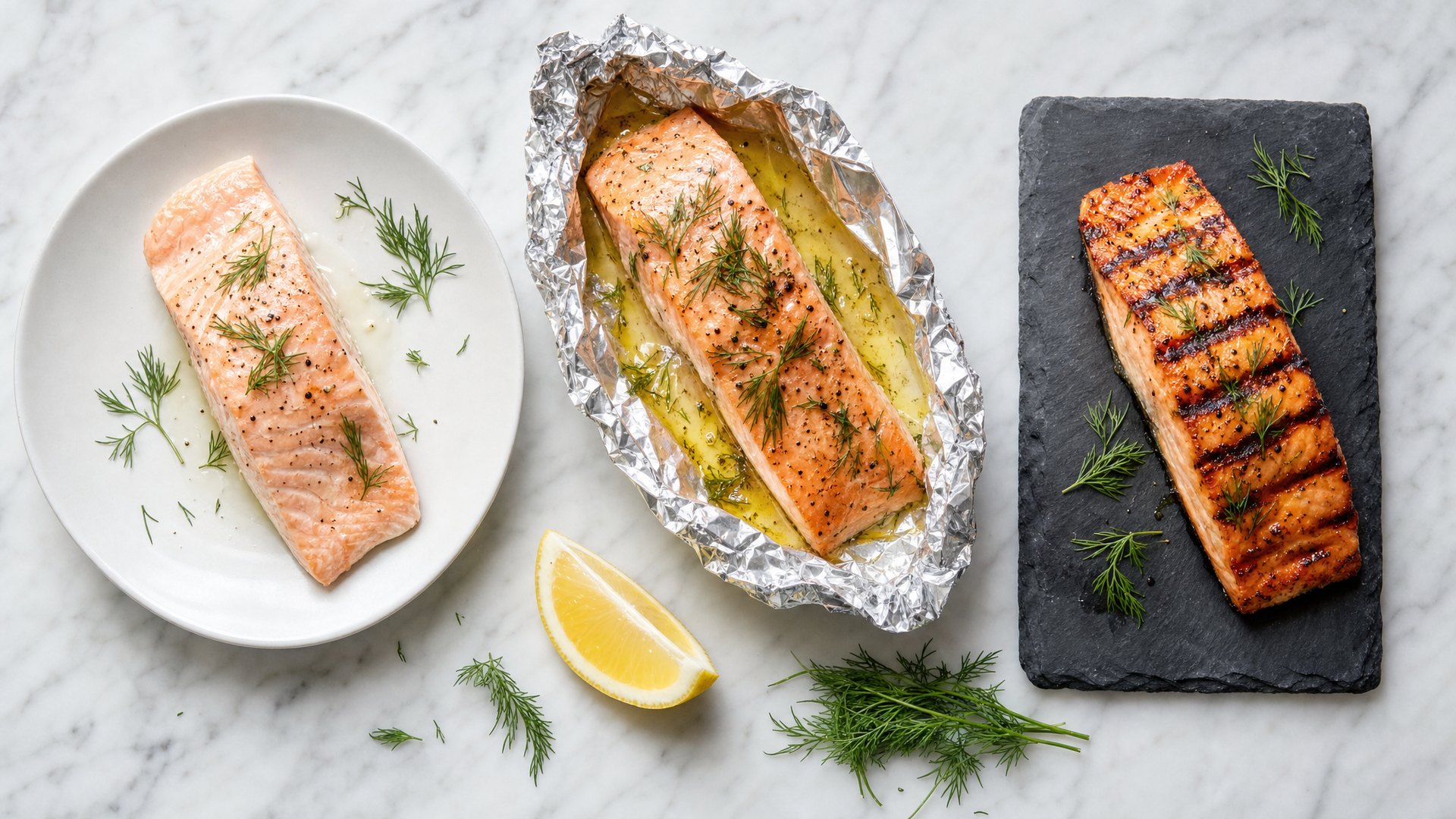
Does Cooking Fish Destroy Omega-3? Retention by Method, With Numbers
Heat doesn't destroy much omega-3, but cooking still costs you some — about a third of it with gentle methods, more with grilling and deep-frying, almost all of it leaving with fat and moisture rather than breaking down. Here's the retention-by-method table, recalculated from the primary data.
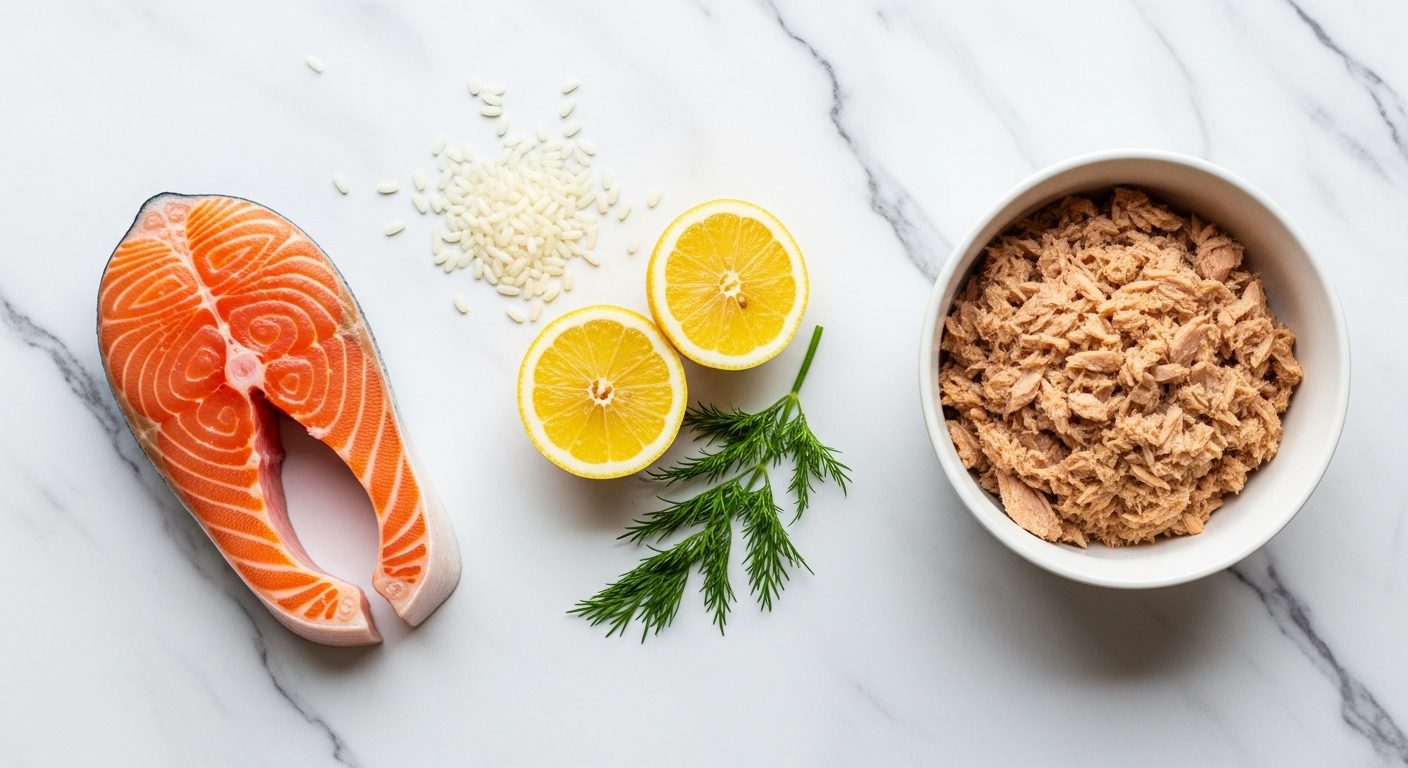
Tuna vs Salmon: Protein, Price, and Which to Actually Buy
Tuna has more protein per calorie. Salmon has 18x the omega-3s. Canned tuna costs a third as much. Data-backed comparison with recipes for both.