

Meals · High Protein
Salmon Rice and Broccoli Meal Prep - 44g Protein per Bowl (44g Protein)
This meal prep builds 4 complete bowls: 6 oz baked salmon per serving, jasmine rice, and roasted broccoli - 44g protein and 722 calories each. Seasoned with olive oil, garlic, lemon, and black pepper, it takes 30 minutes to build a full week of lunches or dinners.
Nutrition per serving
- Protein
- 44 g
- Calories
- 722
- Carbs
- 60 g
- Fat
- 34 g
Nutritional values are estimates based on standard ingredient data and may vary by brand or preparation method. This information is for general reference only and is not a substitute for professional dietary advice. Consult a healthcare provider or registered dietitian for personalized nutrition guidance.
Ingredients
- 24 oz salmon fillet — 4 skin-on fillets, about 6 oz each (170g), Atlantic salmon
- 1.25 cups jasmine rice — dry, yields about 6 cups cooked
- 6 cups broccoli — florets, about 540g
- 3 tbsp olive oil — divided: 2 tbsp for salmon, 1 tbsp for broccoli
- 4 cloves garlic — minced
- 2 tbsp lemon juice — freshly squeezed, about 1 lemon
- 1/2 tsp black pepper
- 1 tsp kosher salt — divided
Steps
- Preheat oven to 400°F. Line a large rimmed baking sheet with foil.
- Cook the rice: Rinse 2 cups jasmine rice until water runs clear. Combine with 3 cups water in a medium saucepan. Bring to a boil, reduce to a simmer, cover, and cook 15 minutes. Remove from heat and let steam 5 minutes, then fluff with a fork.
- Prep the salmon: Pat fillets completely dry with paper towels - moisture prevents browning. Combine 2 tbsp olive oil, minced garlic, lemon juice, 3/4 tsp salt, and black pepper in a small bowl. Rub evenly over all 4 fillets, skin-side down on the prepared baking sheet.
- Toss the broccoli: In a large bowl, combine broccoli florets with remaining 1 tbsp olive oil and 1/4 tsp salt. Spread around the salmon on the same baking sheet, leaving space so the florets roast rather than steam.
- Bake 15-18 minutes, until salmon flakes easily at the thickest point and registers 145°F on an instant-read thermometer. Broccoli should be tender with charred edges.
- Let salmon cool 5 minutes before portioning. Divide rice among 4 meal prep containers (about 1 cup each), add 1 salmon fillet and one-quarter of the broccoli to each. Refrigerate once cooled to room temperature.
Why This Works
Atlantic salmon delivers 20.4g protein per 100g (USDA FoodData Central #175167) with a fat profile that stays moist at oven heat - the 13.4g fat per 100g is predominantly unsaturated, which means the fillet bastes itself as it cooks. That self-basting quality is a key advantage salmon has over leaner fish like tuna, which dries out faster at oven temperatures. We compared salmon and tuna head-to-head on protein, fat, and meal prep performance. At 6 oz (170g), each portion contributes 34.7g protein; broccoli adds 3.8g and rice adds 4.1g, bringing the bowl to 43g per serving. Baking at 400°F produces golden edges without drying the center: the interior reaches 145°F (USDA minimum for fish safety) in 15-18 minutes for standard 1-inch fillets. Compared to poached salmon, dry-heat builds a lightly caramelized surface that holds up better after refrigeration and reheating. The garlic-lemon rub builds a savory crust that smells good enough to eat straight off the pan.
Meal Prep Storage and Reheating
Refrigerate assembled bowls in airtight containers for up to 4 days. For best texture, reheat salmon gently: microwave on 50% power for 90 seconds rather than full blast - full power turns salmon rubbery by forcing moisture out too fast. Alternatively, eat the salmon cold or at room temperature, which many people prefer for meal prep. Keep lemon wedges separate to add fresh acidity at mealtime rather than cooking the acid into stored leftovers. Rice firms up when cold; a tablespoon of water added before microwaving restores the texture.
Variations with Exact Measurements
Teriyaki glaze: Whisk 3 tbsp soy sauce, 2 tbsp honey, 1 tbsp rice vinegar, and 1 tsp sesame oil. Brush on fillets before baking, and again at the 10-minute mark. Lemon dill: Add 2 tbsp fresh dill and 1 tsp lemon zest to the original olive oil rub - no other changes needed. Blackened: Replace the olive oil rub with 1 tbsp smoked paprika, 1 tsp garlic powder, 1/2 tsp cayenne, 1/2 tsp onion powder, and 1 tsp olive oil per fillet; add a cast-iron pan to the oven during preheat for a sear effect. Honey garlic: Combine 2 tbsp honey, 2 tbsp soy sauce, 4 cloves minced garlic, and 1 tbsp olive oil - pour over fillets before baking.
Sources Research-Backed
Frequently Asked Questions
How long does meal prep salmon last in the fridge?
Cooked salmon keeps for up to 4 days in airtight containers in the refrigerator. The FDA recommends consuming cooked fish within 3-4 days. Store at 40°F or below. If you notice an off smell or slimy texture, discard it - trust your senses.
Can I freeze salmon meal prep bowls?
Salmon freezes reasonably well for up to 2 months, but the texture changes after thawing - it becomes slightly more flaky and less firm. Rice also softens after freezing. To freeze: portion salmon separately from rice and broccoli, wrap tightly, and freeze flat. Thaw overnight in the refrigerator; do not refreeze. Broccoli holds up best of the three components after freezing.
What is the best way to reheat salmon without drying it out?
Microwave on 50% power for 60-90 seconds. Full microwave power forces moisture out quickly and toughens the protein. Alternatively, let the bowl come to room temperature for 20 minutes and eat slightly cool - this preserves texture completely. A 300°F oven for 10 minutes also works if you have time. Avoid the stovetop unless you add a splash of water and cover the pan.
Should I use skin-on or skinless salmon fillets?
Skin-on is easier to cook and harder to overcook - the skin acts as a buffer against direct oven heat and keeps the bottom of the fillet moist. It peels away cleanly after baking. Skinless fillets work fine but need a watchful eye since they can dry out 2-3 minutes faster. For meal prep, most people remove the skin before storing; it becomes less pleasant in texture after refrigeration.
Featured In
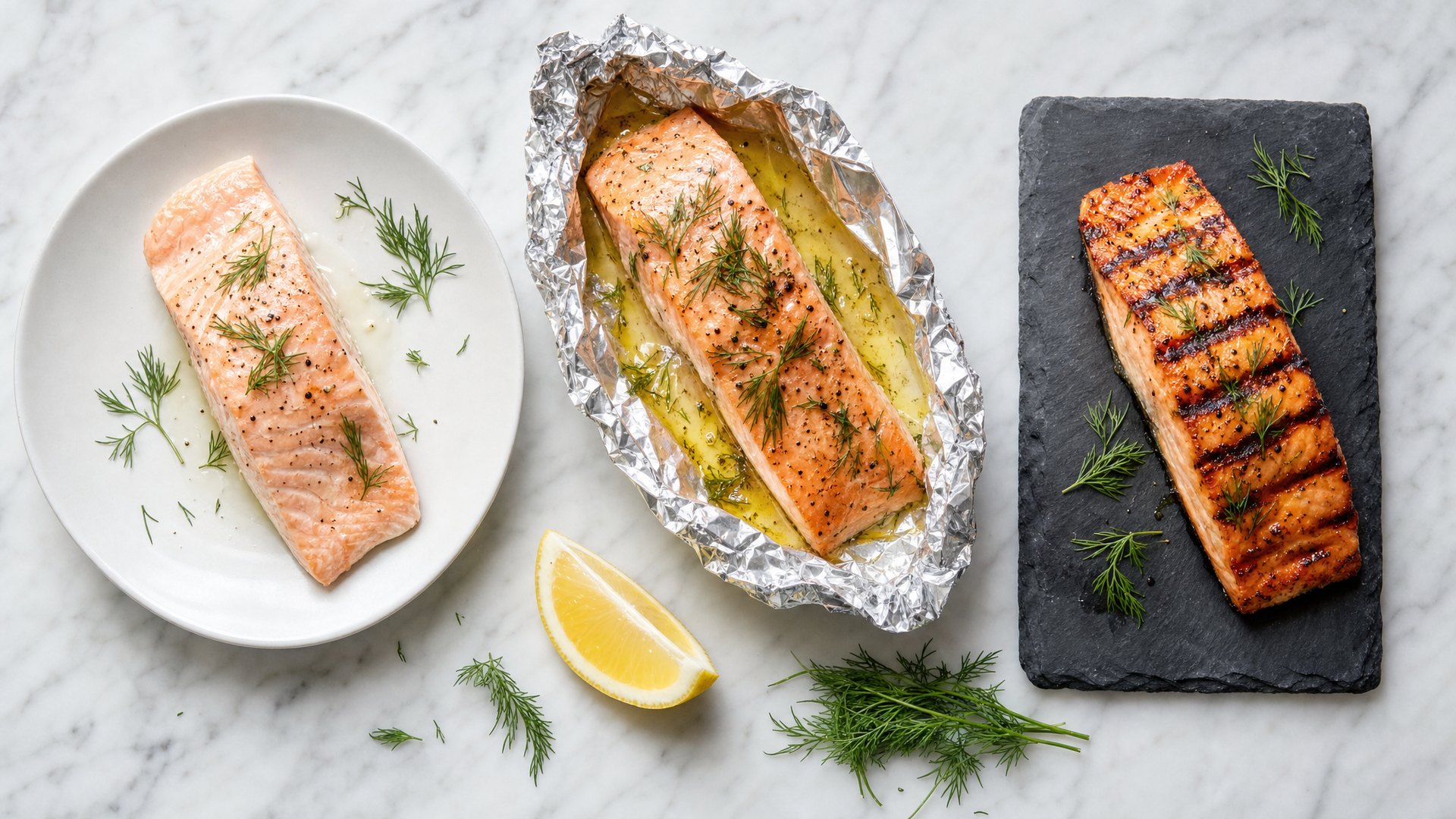
Does Cooking Fish Destroy Omega-3? Retention by Method, With Numbers
Heat doesn't destroy much omega-3, but cooking still costs you some — about a third of it with gentle methods, more with grilling and deep-frying, almost all of it leaving with fat and moisture rather than breaking down. Here's the retention-by-method table, recalculated from the primary data.
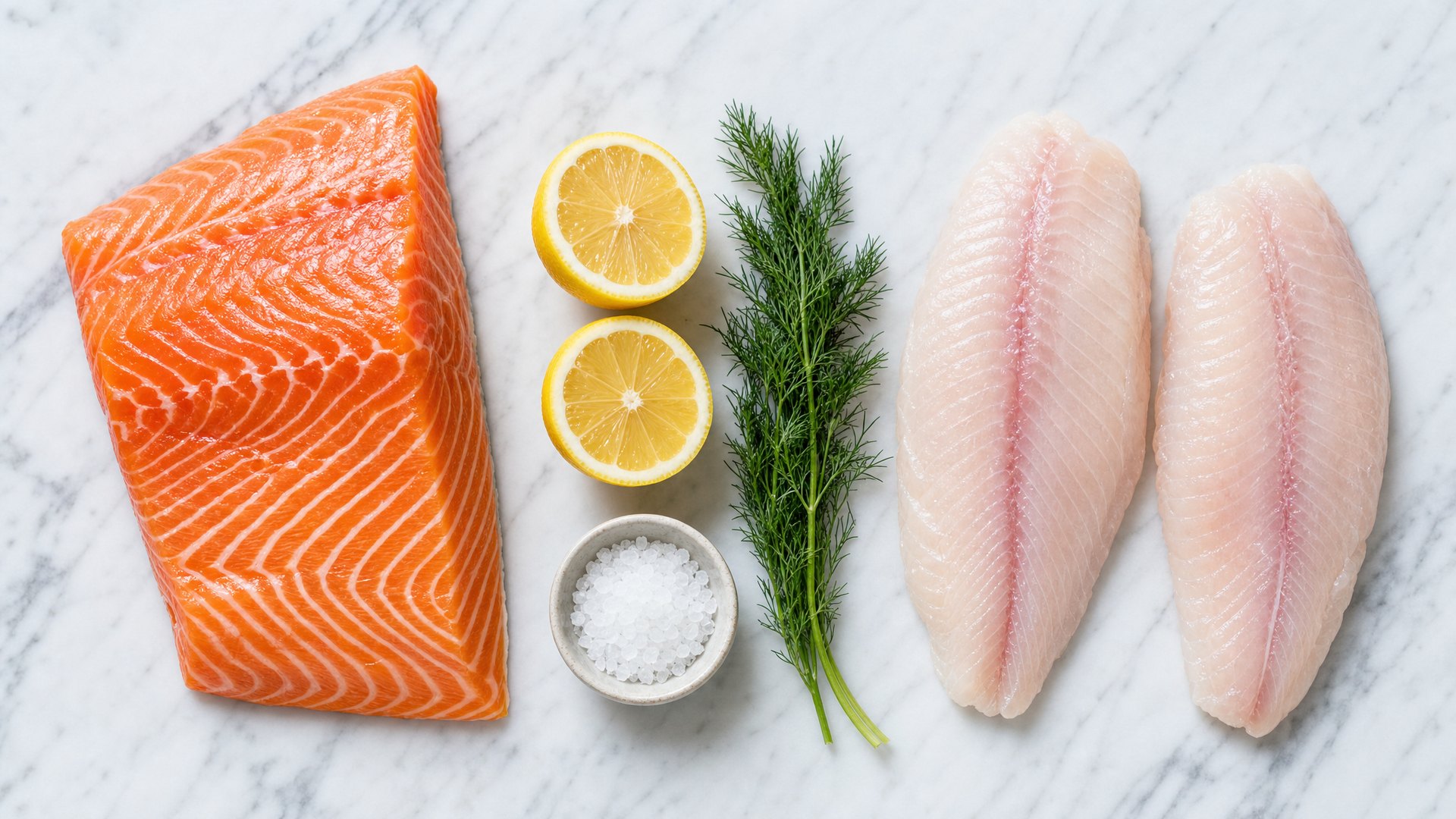
Salmon vs Tilapia: Protein, Price, and What You Actually Give Up
Raw fillet to raw fillet, the protein is a near-tie. Tilapia delivers 2-2.8x more protein per dollar at Canadian prices; salmon carries about 16x the omega-3. Full comparison with the math shown.
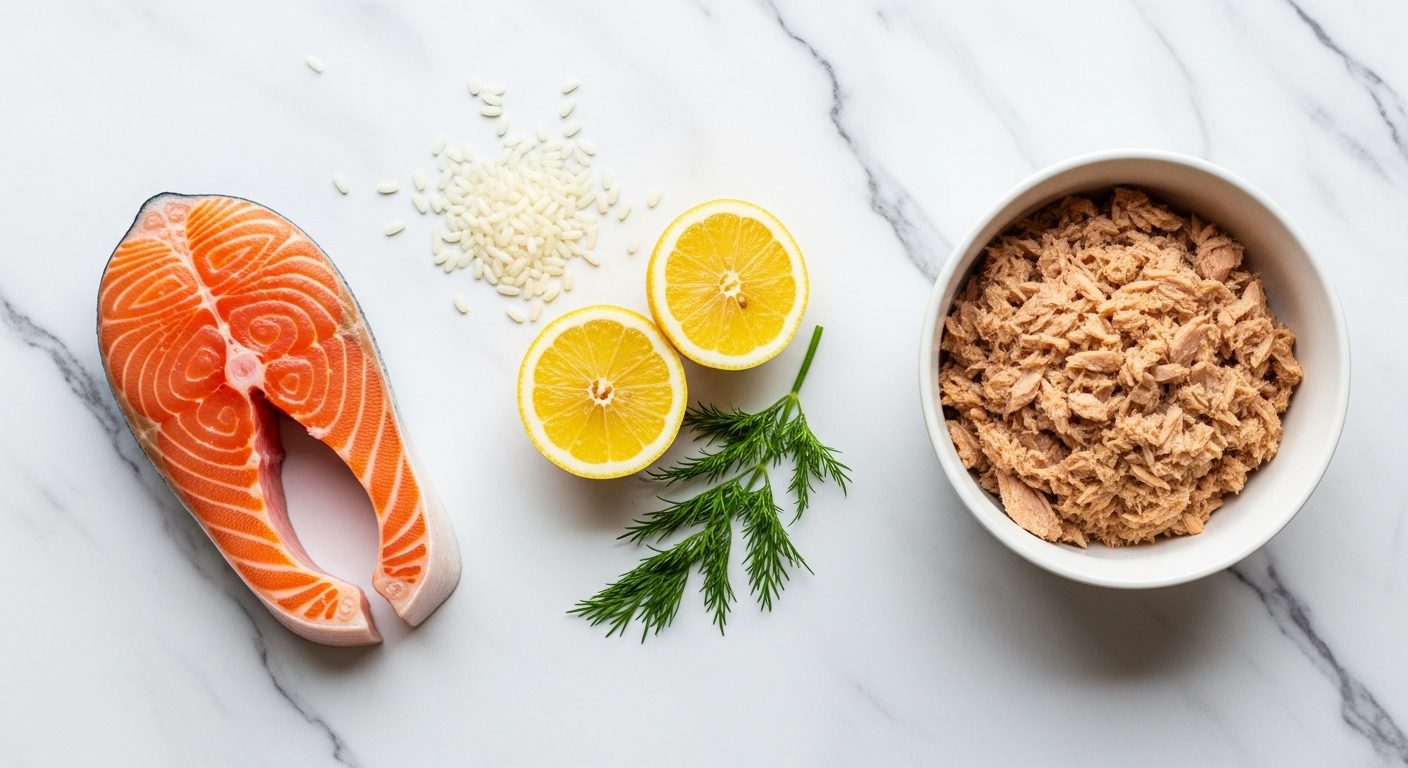
Tuna vs Salmon: Protein, Price, and Which to Actually Buy
Tuna has more protein per calorie. Salmon has 18x the omega-3s. Canned tuna costs a third as much. Data-backed comparison with recipes for both.


