Ground Turkey vs Ground Beef: The Fat-Percentage Comparison Nobody Makes
Ground turkey and ground beef are closer than you think. At the same lean percentage, the protein and calorie gaps are tiny. The fat percentage you buy matters far more than the animal. USDA data for 93/7, 85/15, and 80/20.
Part of The Protein Atlas — your complete guide to protein.
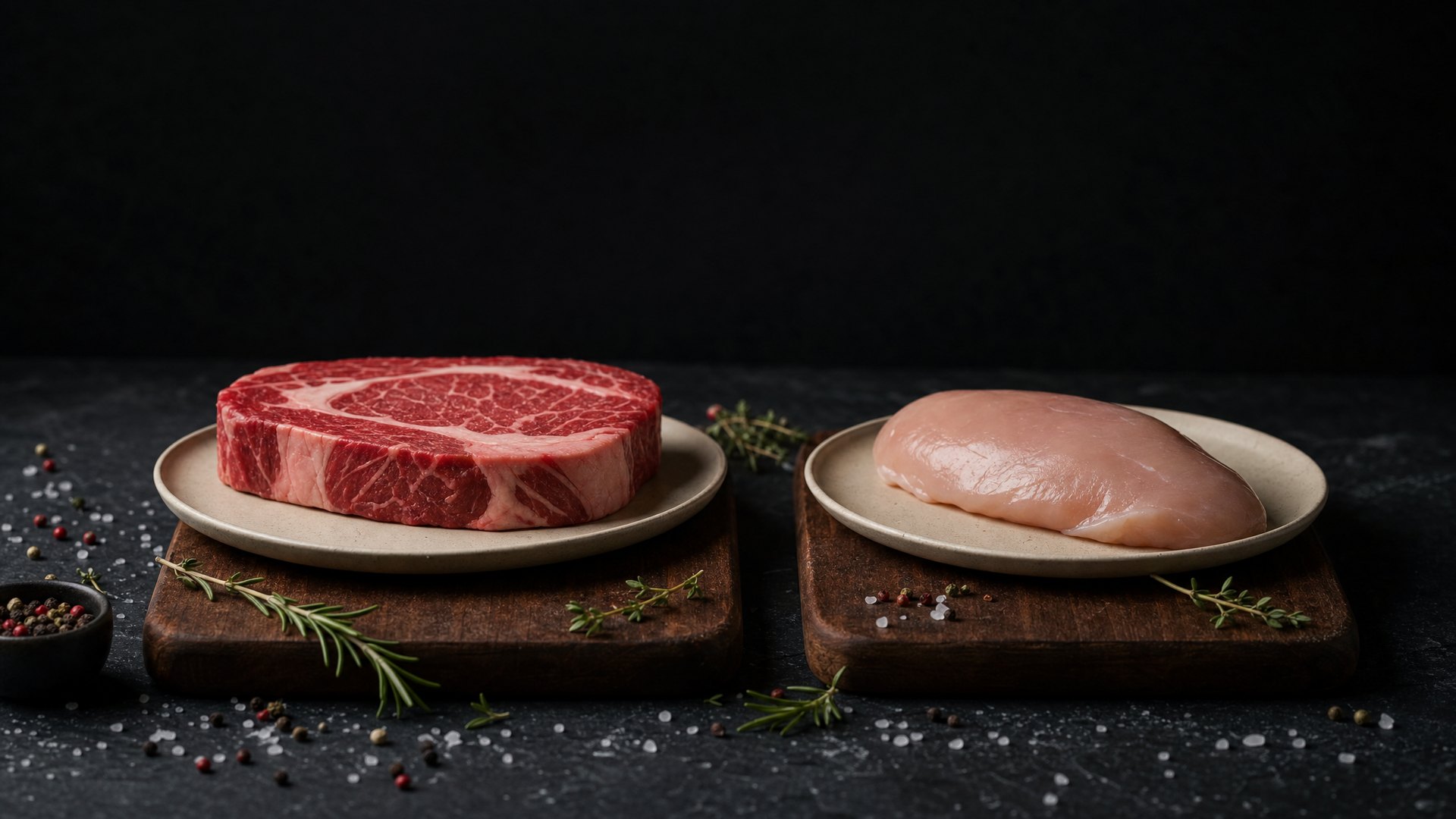
Turkey is supposed to be the healthy choice. Beef is supposed to be the indulgent one. That framing has sold a lot of ground turkey to people who don’t particularly enjoy it. It has also made a lot of ground beef eaters feel vaguely guilty about their tacos — the same script plays out one aisle over, too, once you’re comparing a whole steak to a chicken breast instead of what’s in the ground-meat tray.
Here is the thing nobody checks: ground turkey and ground beef, at comparable fat percentages, are far closer than you think. Turkey 93/7: 27g protein per 100g cooked. Beef 90/10: 25g. Two grams apart. The fat percentage on the label changes everything. The animal on the label barely matters.
Going from 80/20 to 90/10 beef saves 42 calories per 100g. Switching from beef to turkey at a comparable ratio changes the number by single digits. The lean percentage is the bigger lever.
The fat percentage you buy matters more than the animal on the label. At lean ratios (93/7 vs 90/10), turkey and beef are within 9 calories and 2g protein of each other per 100g cooked. Turkey’s one consistent win is saturated fat (13-29% less). Beef wins on browning, flavor, and iron. The gap between 93/7 and 80/20 of the same animal dwarfs the gap between turkey and beef at any given ratio. Buy both, and match to the dish.
Choose ground turkey if: you want lower saturated fat, you are making bowls or lettuce cups, you prefer lighter-tasting meat in Asian or Latin-fusion dishes, or your doctor flagged your LDL cholesterol (the kind linked to heart disease risk).
Choose ground beef if: you want better browning and deeper flavor, you are making tacos, chili, or anything with bold spices, you want more iron, or you prioritize taste and know you will actually cook it.
Ground Turkey vs Ground Beef Nutrition: The Comparison Nobody Makes
This is the table that should exist on every ground meat comparison page and doesn’t. Turkey and beef at comparable lean-to-fat ratios, all USDA cooked values, per 100g (about the size of a deck of cards — roughly what you would put in one taco bowl or on a plate alongside rice and vegetables. A 1-pound raw package yields about 340-360g cooked).
| Per 100g cooked | Calories | Protein | Total Fat | Sat Fat |
|---|---|---|---|---|
| Ground Turkey | ||||
| 93/7 (lean) | 213 | 27.1g | 11.6g | 3.0g |
| 85/15 (regular) | 258 | 25.1g | 17.5g | 4.6g |
| Ground Beef | ||||
| 90/10 (lean) | 204 | 25.2g | 10.7g | 4.2g |
| 85/15 (regular) | 232 | 24.6g | 14.0g | 5.3g |
| 80/20 (standard) | 246 | 24.0g | 15.9g | 6.1g |
Source: USDA FoodData Central, SR Legacy database. Turkey: pan-broiled crumbles (FDC 172851, 174494). Beef: pan-broiled patties (FDC 171793, 174033, 171798). All per 100g cooked weight. Note: turkey and beef USDA entries use different cook forms (crumbles vs patties), which can affect moisture and fat retention. These are the most commonly available USDA entries for how each meat is typically prepared, but direct cross-animal comparisons at 85/15 should be read as approximate.
Read that table again. At the lean end (93/7 turkey vs 90/10 beef), the numbers are genuinely close: 9 calories and 1.9g protein apart. At 85/15, the USDA data shows turkey with more calories (258 vs 232) and more total fat (17.5g vs 14.0g), though some of that gap may reflect the different cook forms (crumbles vs patties) rather than a true animal-level difference.
The gap everyone talks about, turkey having “way more protein” or being “way fewer calories,” comes from comparing 93/7 turkey against 80/20 beef. That is not the same product. It is like comparing skim milk to whole milk and concluding that cow’s milk is unhealthy.
The real story is not “turkey wins” or “beef wins.” It is that the differences between animals are small compared to the differences between fat percentages. Going from 80/20 to 90/10 beef saves 42 calories per 100g. Switching from beef to turkey at the same ratio changes the number by single digits. Three things do consistently differ:
-
Saturated fat. This is where turkey genuinely wins, though by less than most people think. At 85/15, turkey has 4.6g saturated fat versus beef’s 5.3g — a 13% difference. At the lean end, turkey 93/7 has 3.0g versus beef 90/10’s 4.2g, a wider 29% gap. Modest, but consistent.
-
Iron. Lean beef (90/10) has about 2.8mg iron per 100g cooked versus lean turkey’s 1.6mg. Beef delivers 70% more iron, which matters if you are iron-deficient (common in women under 50 and endurance athletes).
-
Browning and flavor. Beef fat carries spice compounds and browns more deeply than turkey fat. This is not a nutrition difference — it is a cooking difference, and it determines which dishes each meat is best for.
Does Ground Turkey Have More Protein Than Ground Beef?
Not meaningfully, no. The numbers depend on which products you compare, and the gap is small either way.
| Metric | Turkey 93/7 | Beef 90/10 | Difference |
|---|---|---|---|
| Protein per 100g cooked | 27.1g | 25.2g | Turkey +1.9g |
| Protein per 100 calories | 12.7g | 12.4g | Near tie |
| Calories for 30g protein | 236 cal | 243 cal | Near tie |
In our table, turkey 93/7 edges out beef 90/10 by 1.9g protein per 100g — but those are not the same lean percentage. When the Illinois Extension compared both meats at exactly 93/7, using USDA data, they found that “ground beef has 2.4 grams more protein” than ground turkey per 4oz serving. Beef muscle fibers are slightly more protein-dense, so at exactly matched ratios, beef edges ahead.
The honest answer: depending on which specific products you compare, either animal can “win” by 1-2g. That is one bite of chicken. It is not a meaningful difference for anyone’s diet.
The protein gap between turkey and beef is smaller than the gap between 85/15 and 93/7 of the same animal. Buy leaner, not different.
For people tracking their macros (protein, fat, and carbs): at the protein-per-calorie level, neither meat has a meaningful advantage over the other. They are within 3% of each other. If you are choosing ground meat purely for protein efficiency, the fat percentage matters far more than the animal.
Where Turkey Wins: Saturated Fat
This is the one area where turkey has a clear, consistent advantage regardless of fat percentage.
| Lean % | Turkey Sat Fat | Beef Sat Fat | Difference |
|---|---|---|---|
| 93/7 vs 90/10 (lean) | 3.0g | 4.2g | Turkey has 29% less |
| 85/15 (regular) | 4.6g | 5.3g | Turkey has 13% less |
Per 100g cooked. USDA FoodData Central.
The American Heart Association recommends limiting saturated fat to 13g per day on a 2,000-calorie diet. A generous 200g serving (about 7oz cooked — larger than a standard portion, but realistic for a protein-focused meal) of 85/15 ground beef contributes 10.6g of saturated fat, which is 82% of that daily limit. The same serving of 85/15 turkey contributes 9.2g, or 71%.
If your doctor has flagged your LDL cholesterol or you have a family history of heart disease, that 11-percentage-point difference is worth noting. It is not about turkey being “healthy” and beef being “unhealthy.” It is about one specific metric where the gap is real and consistent, even if smaller than most people assume.
For everyone else: at 85/15, both meats put you near the AHA ceiling in a single serving. If saturated fat is your concern, the bigger lever is going lean (93/7 or 90/10) rather than switching animals. Your overall dietary pattern matters more than any single ingredient swap.
Where Beef Wins: Flavor, Browning, and Iron
If saturated fat is turkey’s territory, the kitchen is beef’s.
Browning. Beef fat carries flavor compounds that turkey fat does not. When you brown ground beef in a hot pan, the fat melts out, coats the crumbles, and carries cumin, chili powder, garlic, and whatever else you add. The spices dissolve in the fat and distribute evenly.
Ground turkey browns too, but less dramatically. Turkey fat is milder. Spices sit on the surface more than they integrate. This is why turkey tacos taste different from beef tacos even with the same seasoning packet. It is not imagination. It is chemistry.
Flavor. Beef has a deeper, more umami-forward (savory, meaty) base flavor. Turkey is milder and slightly sweet. Neither is better in absolute terms, but they suit different dishes. Bold spice blends (cumin, chili, gochujang, paprika) build on beef’s base. Lighter, brighter flavors (ginger, sesame, lime, hot honey) work well with turkey’s neutrality.
Iron. Beef 90/10 delivers about 2.8mg of iron per 100g cooked versus turkey 93/7’s 1.6mg. That is 70% more. Both are heme iron (the form found in animal protein that your body absorbs 2-3 times more efficiently than the non-heme iron in plants) — but beef simply has more of it. If you eat ground meat twice a week and switch from beef to turkey, you lose roughly 2mg of highly absorbable iron per serving. For most people eating a varied diet, this does not matter. For women with heavy periods, endurance athletes, or anyone with borderline iron levels, it could.
The Texture Problem Nobody Talks About
Search “ground turkey mushy” or “ground turkey watery” and you will find thousands of complaints. This is not turkey being a bad product. It is turkey being cooked wrong.
Ground turkey releases more liquid than ground beef during cooking because turkey muscle holds more water and less intramuscular fat. When all that liquid pools in the pan, the meat steams instead of browning. The result: gray, soft, mushy crumbles that taste like nothing.
How to fix it:
-
Hot pan, cold oil. Use a large nonstick skillet or well-seasoned cast iron. Get it to medium-high heat (you should hear an immediate sizzle when the meat hits the pan), add a thin layer of oil, then add the turkey. The high initial heat sears the surface before the liquid has time to pool.
-
Do not stir for the first 2-3 minutes. Let the turkey form a crust on the bottom. Then break it up. This is the single most important step.
-
Spread it thin. Do not dump a pound into a 10-inch skillet. Use your widest pan, or cook in two batches. Crowding the pan guarantees steaming.
-
Drain the liquid. If liquid does accumulate (and it will, especially with 85/15), tilt the pan and spoon it out. Then continue browning.
-
Finish with high heat. After draining, crank the heat for 60-90 seconds. The dry crumbles will brown and develop texture.
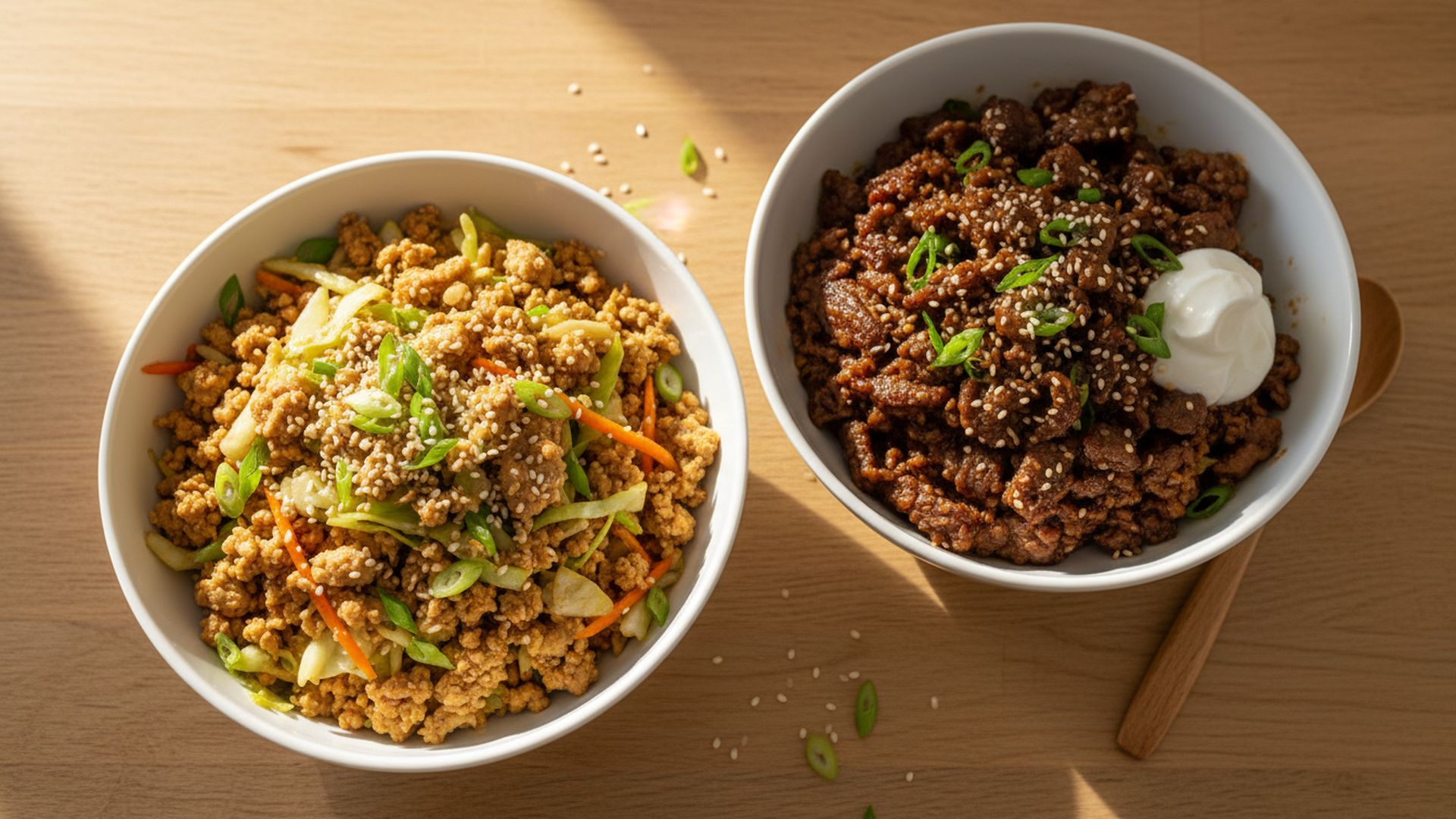
This technique turns turkey from “sad substitute” to “intentionally chosen.” The Turkey Egg Roll in a Bowl (48g protein, 487 cal, 20 minutes) uses exactly this method, with sesame oil and ginger hitting the hot pan before the meat, and the result is crispy, deeply seasoned crumbles that taste nothing like mushy.
Is Ground Turkey or Ground Beef Better for Weight Loss?
At the lean end, the calorie difference is small (9 calories per 100g). At 85/15, the gap widens but favors beef (see table). Either way, neither animal has a consistent calorie advantage.
The real weight-loss variable is the fat percentage, not the animal. Here is how the numbers scale:
| Lean % | Beef Calories | Turkey Calories | Gap |
|---|---|---|---|
| 93/7 turkey vs 90/10 beef | 204 | 213 | Turkey is 9 more |
| 85/15 (both)† | 232 | 258 | Turkey 26 more† |
Per 100g cooked. USDA FoodData Central. †85/15 comparison uses different cook forms (crumbles vs patties); gap is approximate.
If you are eating fewer calories than you burn: buy 90/10 or leaner of either meat. The lean percentage does the heavy lifting. Going from 85/15 to 93/7 turkey saves 45 calories per 100g. Going from 80/20 to 90/10 beef saves 42 calories. Those within-animal gaps dwarf the between-animal gaps at any given lean ratio.
What the research says: A clinical trial found no meaningful cholesterol difference between red meat and white meat diets when the fat content was the same — the type of meat mattered less than the saturated fat level (Bergeron et al., 2019, American Journal of Clinical Nutrition).
When Should You Use Each?
| Dish | Best Pick | Why |
|---|---|---|
| Tacos and burritos | Beef | Fat carries cumin and chili; beef crumbles hold shape in shells |
| Bolognese and meat sauce | Beef | Deeper umami base; the long simmer develops richer flavor |
| Burgers | Beef (80/20) | Fat keeps patties juicy; turkey burgers dry out without binders |
| Asian bowls and stir-fries | Turkey | Milder flavor lets ginger, soy, and sesame come through clean |
| Lettuce cups and wraps | Turkey | Lighter feel in a handheld format; less grease |
| Chili | Beef | The long simmer needs beef’s fat to build body; turkey chili often tastes thin |
| Meatball soup | Either (turkey edges it) | Broth-based soups mask texture differences; turkey keeps the soup lighter |
| Doner or kebab | Beef | Fat renders under high heat for crispy edges; turkey won’t crisp the same way |
| Meal prep bowls | Turkey (93/7) | Less fat means less grease pooling on day 3-4 in the container |
| Stuffed peppers | Either | The pepper and filling absorb so much flavor that the meat base barely matters |
The pattern: beef is better when fat carries the seasoning and browning matters. Turkey is better when the meat is a vehicle for other flavors or when you want a lighter dish.
Is Ground Turkey Cheaper Than Ground Beef?
The old advice that “ground turkey is cheaper” is no longer reliably true. Avian flu outbreaks in 2022-2024 disrupted turkey supply chains, and prices have not fully recovered. At the time of writing (early 2026), 93/7 ground turkey and 90/10 ground beef are priced within $1/lb of each other at most US grocery stores, though prices vary by region and season.
The budget play in ground meat is not turkey vs beef. It is fat percentage. In our spot checks, 80/20 ground beef runs $4-5/lb at most stores, while 93/7 of either meat runs $5-7/lb. If you are on a tight budget and want protein: 80/20 beef at 24g protein per 100g cooked is one of the best deals in the meat aisle.
For protein per dollar, both meats are competitive. Neither has a consistent price advantage right now. Buy whichever is on sale.
Our Favorite Ground Turkey Recipes
Easiest starting points:
- Turkey Egg Roll in a Bowl — 48g protein, 487 cal, 20 minutes. Deconstructed egg roll with coleslaw mix, soy sauce, ginger, and sesame. The fastest dinner on this list, and the crispy crumble technique makes it genuinely good, not just convenient. Great first recipe if you are new to cooking turkey.
- Ground Turkey Taco Skillet — 48g protein, 600 cal, 40 minutes. One-pan taco bowl with black beans and rice built in. The rice cooks in the seasoned liquid, which solves the bland-turkey problem from the inside out. One pan, minimal prep.
Worth the extra steps:
- Hot Honey Ground Turkey Bowls — 52g protein, 655 cal, 32 minutes. Sweet potato base, taco-seasoned turkey, Greek yogurt, feta, and a hot honey drizzle. A few more components to assemble, but each one is simple on its own.
- Italian Turkey Meatball Soup — 38g protein, 498 cal, 55 minutes. Turkey meatballs in a clear broth with white beans and greens. Rolling meatballs takes a few minutes, but the broth insulates them from overcooking so they are forgiving.
Our Favorite Ground Beef Recipes
Easiest starting points:
- Korean Ground Beef Bowls — 47g protein, 660 cal, 30 minutes. Gochujang-soy glaze over rice with pickled cucumber. The beef fat carries the heat and sweetness in a way that turkey cannot replicate here. Simple sauce, one pan.
- Lightened Ground Beef Stroganoff — 47g protein, 636 cal, 35 minutes. Classic stroganoff with Greek yogurt replacing sour cream. The beef browning step is non-negotiable; it builds the flavor base for the entire dish.
Worth the extra steps:
- Homemade Doner Kebab (Oven Method) — 48g protein, 642 cal, 45 minutes. Ground beef mixed with yogurt and spices, pressed flat, baked, then broiled for crispy shaved edges. Street food doner without a vertical spit. A weekend project that impresses.
- Cuban Picadillo — 37g protein, 527 cal, 40 minutes. Ground beef with olives, capers (small briny buds, available in any grocery aisle near the olives), and raisins in cumin-tomato sauce over cauliflower rice. A genuinely surprising sweet-savory combination from a dish that has been a Cuban weeknight staple for generations.
Browse all recipes on the Protein Atlas Recipe Finder. For more protein comparisons, see Chicken vs Beef vs Fish, Chicken Breast vs Thigh, Tuna vs Salmon, and Pork vs Beef.
Is Ground Turkey Healthier Than Ground Beef?
It depends on what you mean by “healthier” and which fat percentage you are comparing. At lean ratios (93/7 vs 90/10), turkey and beef are close in calories and protein — 9 calories and 1.9g apart per 100g cooked. Turkey’s one consistent advantage is saturated fat: 13-29% less across all ratios, which matters if your doctor has flagged your LDL cholesterol.
Beef’s consistent advantage is iron: about 70% more per serving, in a form (heme iron) your body absorbs efficiently. Neither meat is categorically healthier. The fat percentage you buy matters more than the animal on the label.
The Bottom Line
The protein question that brought you here has a surprising answer: at comparable fat percentages, the protein and calorie differences between turkey and beef are tiny — 1-2g protein, single-digit calories. The popular framing of turkey as dramatically healthier is not supported by the data.
What turkey genuinely offers is lower saturated fat — about 13-29% less depending on the lean ratio. It is a real difference, not a dramatic one. What beef genuinely offers is better browning, richer flavor, more iron, and a cooking experience that forgives lazy technique.
What to buy this week: One pack of 93/7 ground turkey (about 450g, roughly $5-6) and one pack of 90/10 ground beef (about 450g, roughly $5-6). Use the turkey for egg roll bowls or hot honey bowls where lighter flavors shine. Use the beef for Korean bowls or stroganoff where browning and bold spice matter. That gives you 4 dinners with 37-52g protein each for roughly $10-12 in meat.
Stop treating turkey as a beef substitute. They are different ingredients that happen to come in the same form. Use each where it earns its place.
Frequently Asked Questions
Is ground turkey healthier than ground beef?
It depends on what “healthier” means to you. At the same fat percentage, turkey and beef are close in calories and protein — within 9 calories and 2g per 100g cooked at lean ratios. Turkey has 13-29% less saturated fat across all ratios, which matters for heart health. Beef has about 70% more iron. Neither is categorically healthier. The fat percentage you buy matters more than the animal on the label.
Does ground turkey have more protein than ground beef?
Not meaningfully. The difference is 1-2g per serving either way depending on which specific products you compare. At exactly matched lean percentages, the Illinois Extension found beef edges ahead by about 2g per 4oz. But in USDA data comparing available products (turkey 93/7 vs beef 90/10), turkey shows 1.9g more. Either way, the gap is too small to matter for your diet. The fat percentage you buy matters far more.
Can I substitute ground turkey for ground beef in any recipe?
In most recipes, yes, with two technique adjustments. First, turkey releases more liquid during cooking, so use a wider pan, do not crowd it, and drain the liquid before continuing. Second, turkey does not brown as deeply as beef, so consider adding a splash of soy sauce or Worcestershire for umami depth. The main exceptions are burgers (turkey patties dry out without egg or breadcrumb binders) and dishes that rely on rendered beef fat for flavor, like a classic Bolognese.
Is ground turkey or ground beef better for weight loss?
At lean ratios, the calorie gap between turkey and beef is about 9 calories per 100g — negligible. The fat percentage matters far more than the animal. Going from 85/15 to 93/7 turkey saves 45 calories per 100g. Switching from beef to turkey at the same ratio changes the number by single digits. If weight loss is the goal, buy the leanest ground meat you can afford and enjoy, regardless of whether it says turkey or beef on the label.
Why does my ground turkey taste mushy and bland?
Two problems, both solvable. The mushy texture comes from moisture: turkey releases more liquid than beef, and if it pools in the pan, the meat steams instead of browning. Fix it by using a hot pan, not stirring for the first 2-3 minutes, draining any liquid, and finishing with high heat. The bland taste comes from turkey’s milder fat, which does not carry spices the way beef fat does. Fix it by toasting your spices in oil before adding the turkey, or adding umami boosters like soy sauce, fish sauce, or tomato paste.
Featured Recipes
All 8 recipes from this article, ready to cook
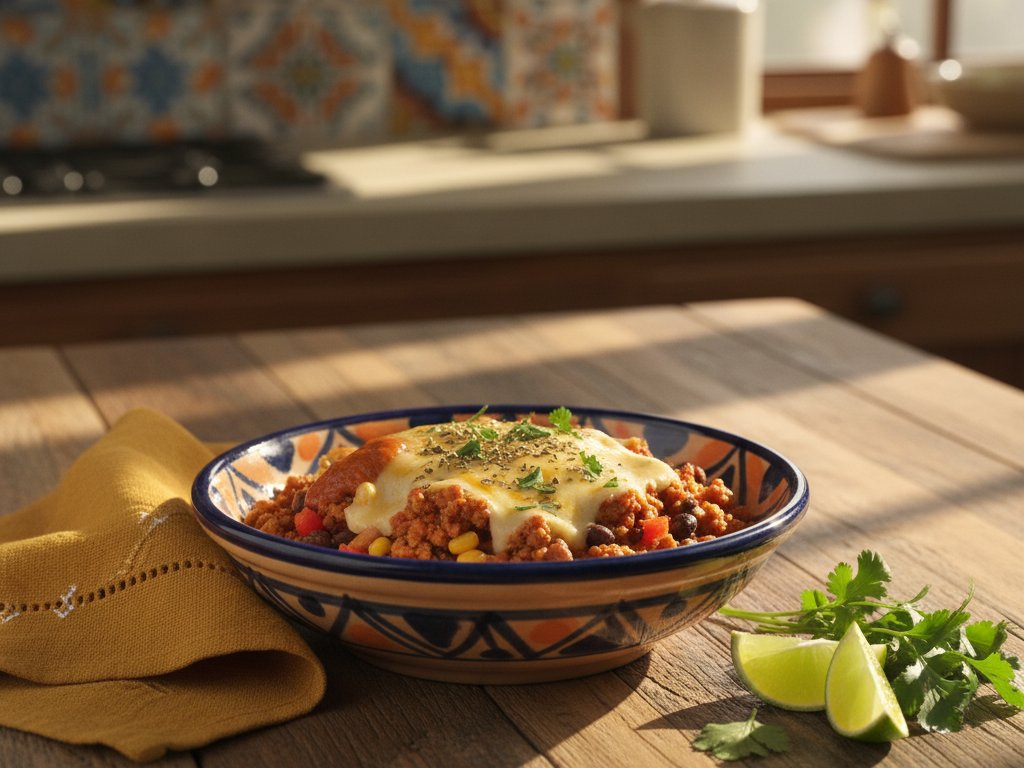
1. Ground Turkey Taco Skillet
Sizzling seasoned turkey with charred peppers, black beans, rice, and melted cheddar in one skillet. 42g protein, 574 cal, 40 min for 4 servings.
View Recipe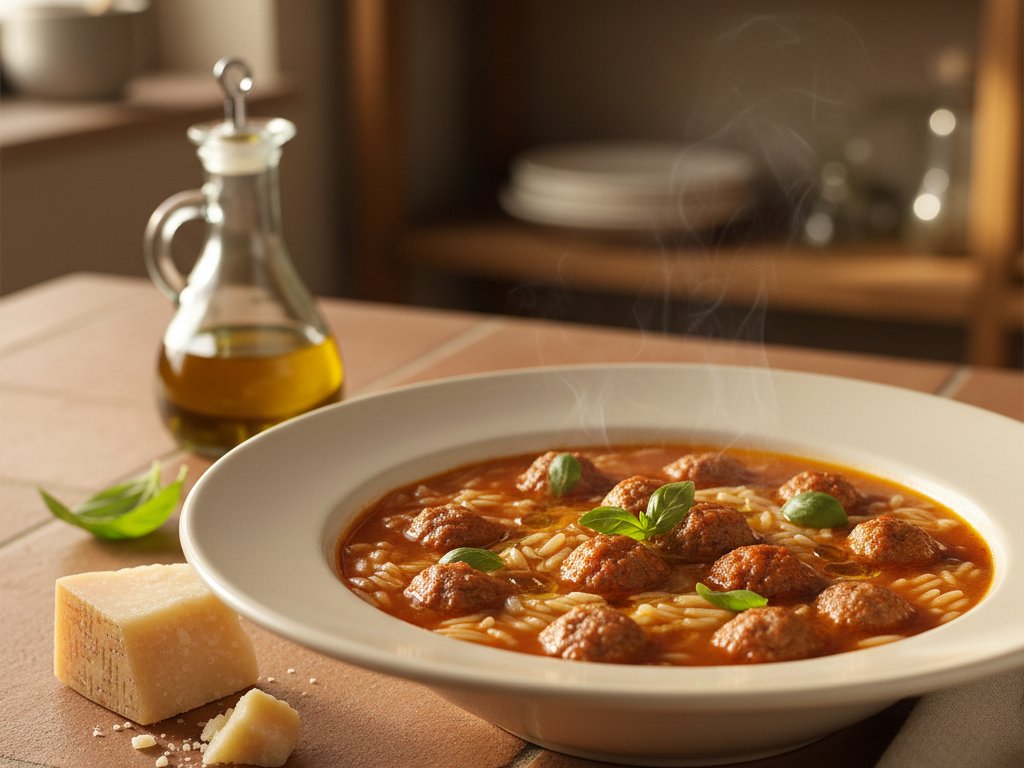
2. Italian Turkey Meatball Soup
Hearty turkey meatball soup with orzo, cannellini beans, and spinach in a tomato-herb broth. Freezer-friendly, ready in 55 minutes. Serves 4.
View Recipe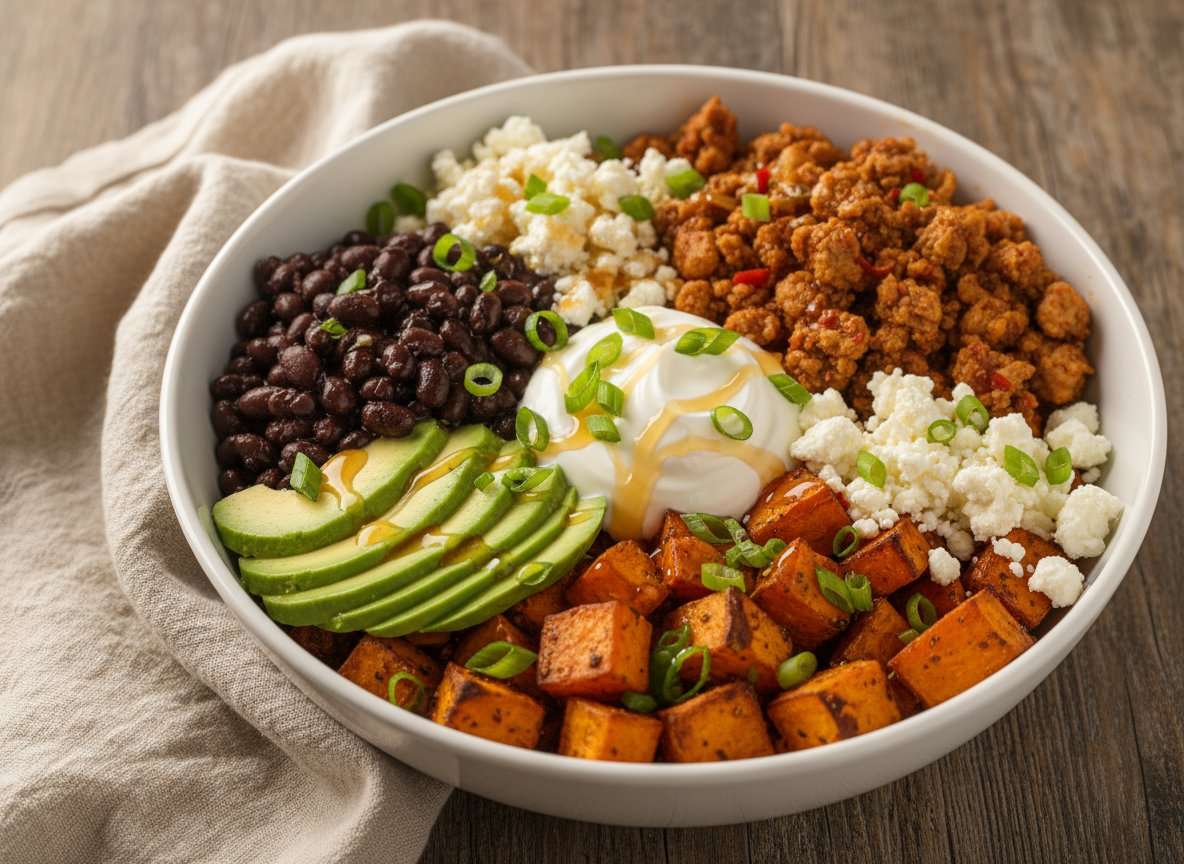
3. Hot Honey Ground Turkey Bowls with 52g Protein
Hot Honey Ground Turkey Bowls: 52g protein, 655 cal. Taco-seasoned turkey, roasted sweet potato, black beans, Greek yogurt, feta, hot honey. 32 min.
View Recipe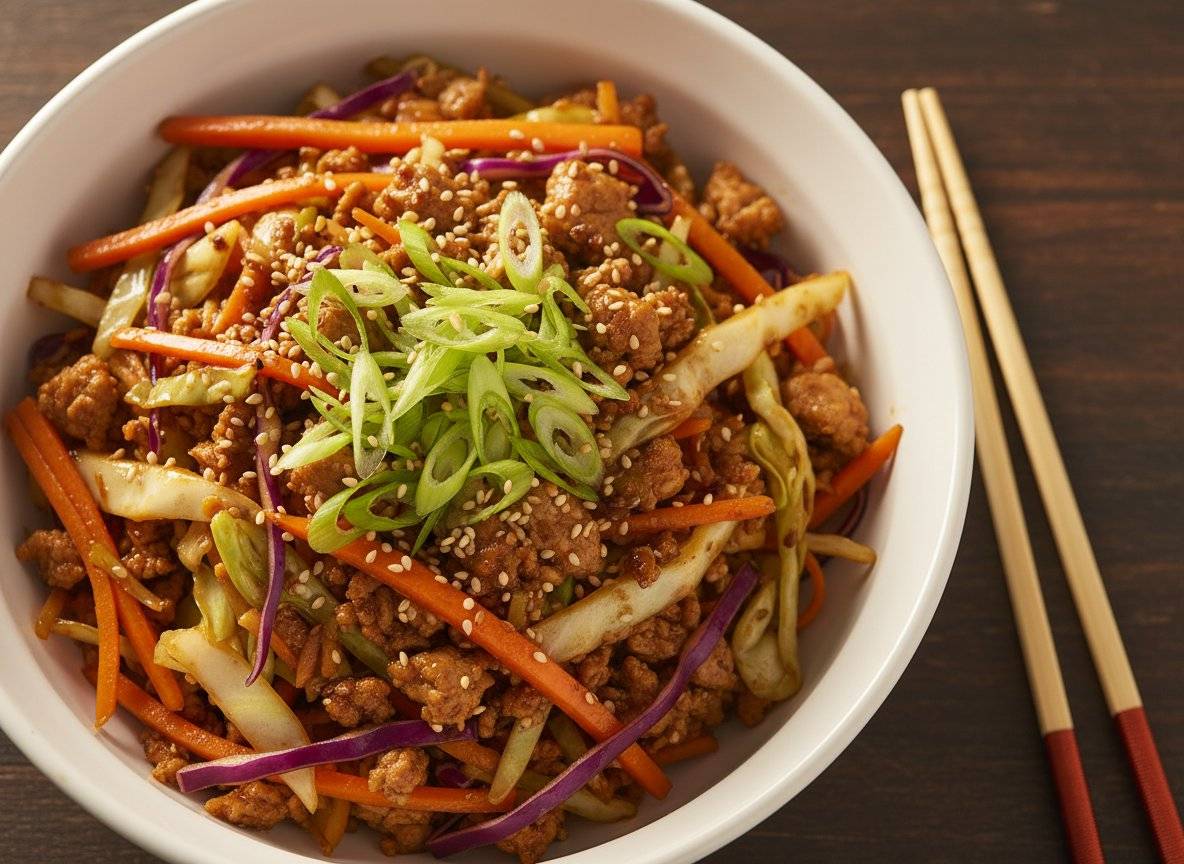
4. Turkey Egg Roll in a Bowl with 44g Protein
Egg roll in a bowl: 8oz ground turkey + coleslaw mix per serving. 44g protein, 471 cal, 20 minutes. No wrappers needed.
View Recipe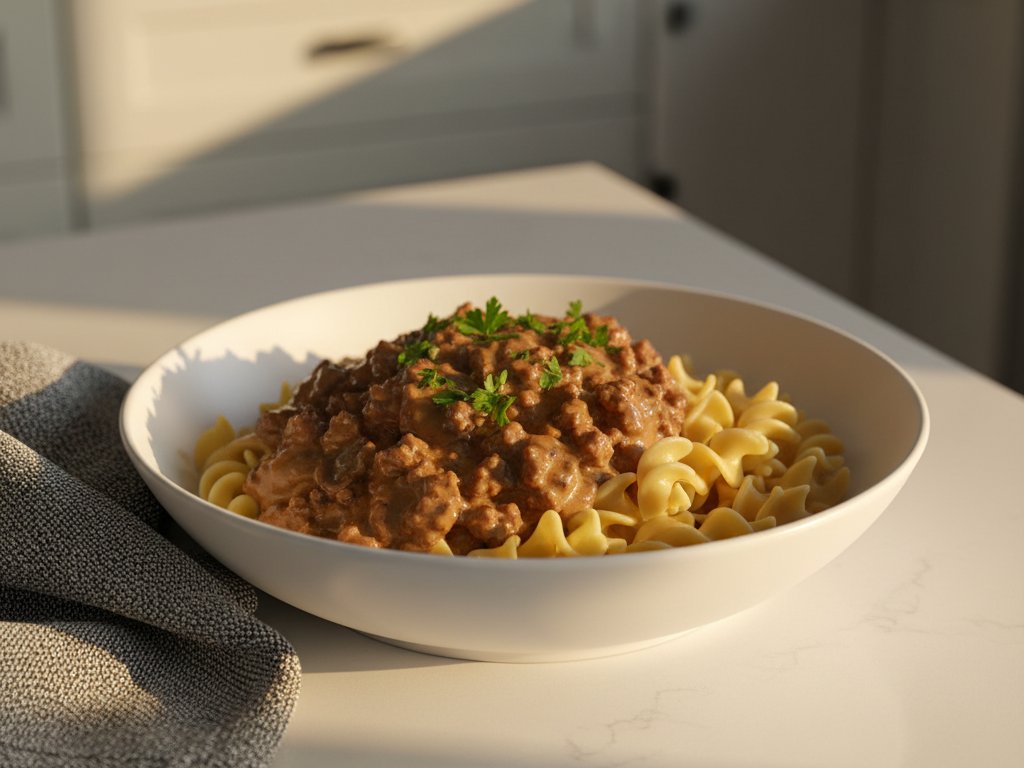
5. Lightened Ground Beef Stroganoff
Savory ground beef and earthy mushrooms in tangy Greek yogurt sauce over tender noodles. 47g protein, 636 cal, ready in 35 min.
View Recipe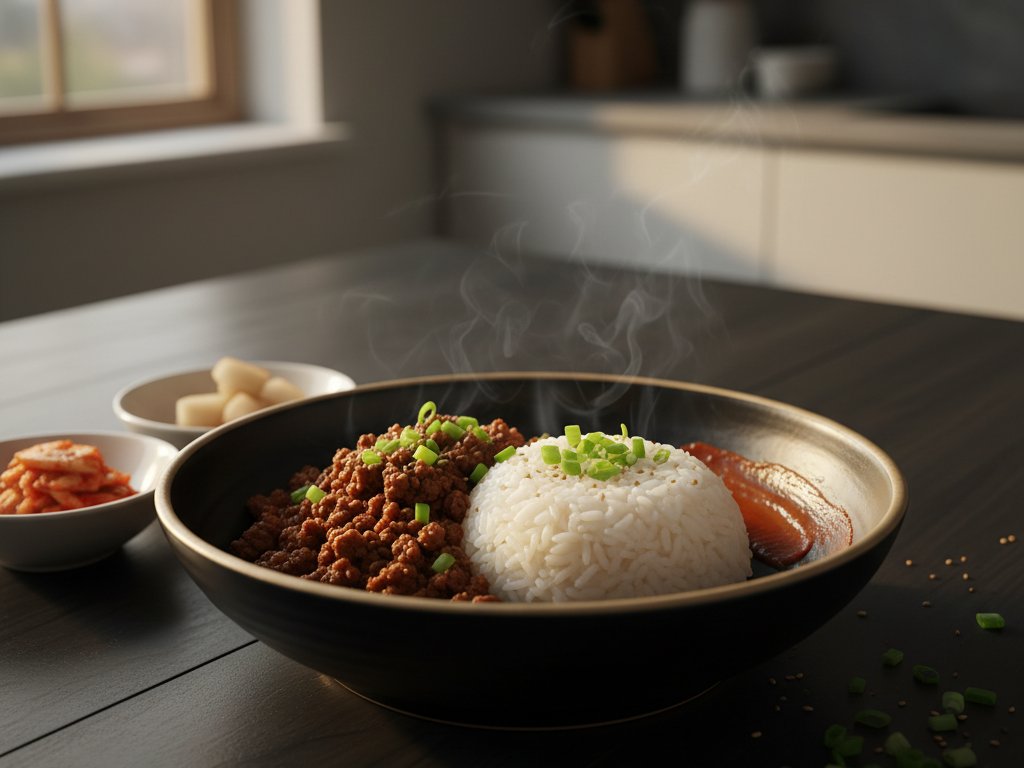
6. Korean Ground Beef Bowls
Sweet-savory ground beef glazed with gochujang, topped with a runny egg. 47g protein, 660 cal in 30 min. Quick-pickled crunch included.
View Recipe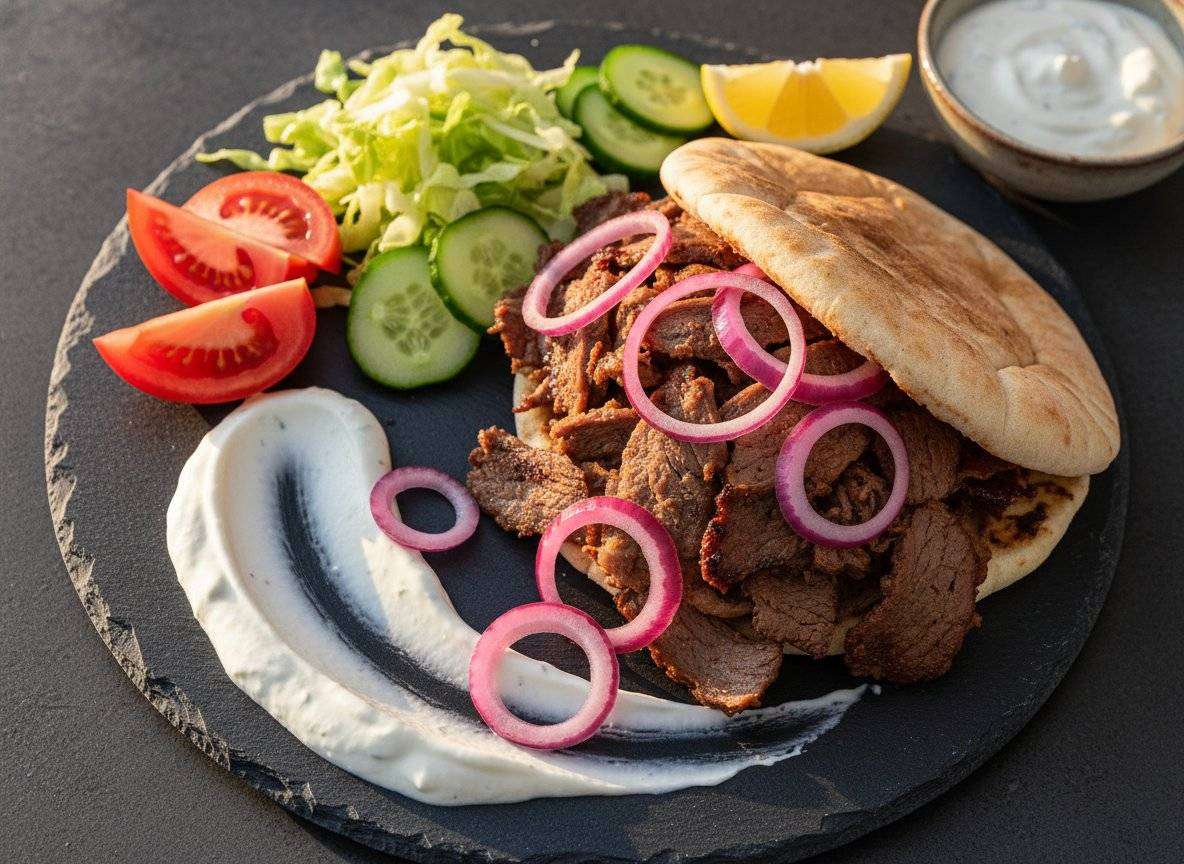
7. Homemade Doner Kebab (Oven Method) with 48g Protein
Oven-baked doner kebab with 48g protein, 642 cal per serving. Seasoned ground beef loaf, broiled for crispy edges. Garlic yogurt sauce.
View Recipe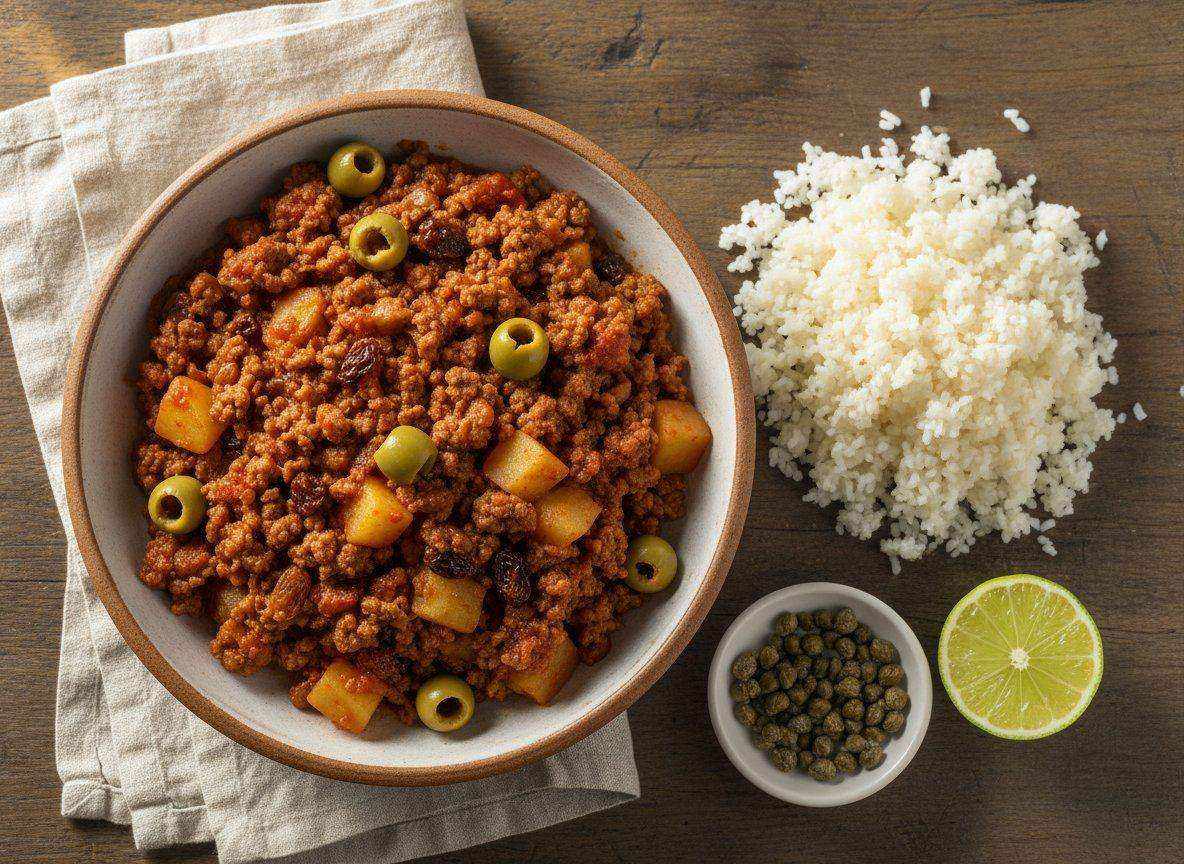
8. Cuban Picadillo with 37g Protein and Cauliflower Rice
Cuban Picadillo with ground beef, olives, capers, and raisins over cauliflower rice. 37g protein, 527 cal. Ready in 40 minutes.
View Recipe