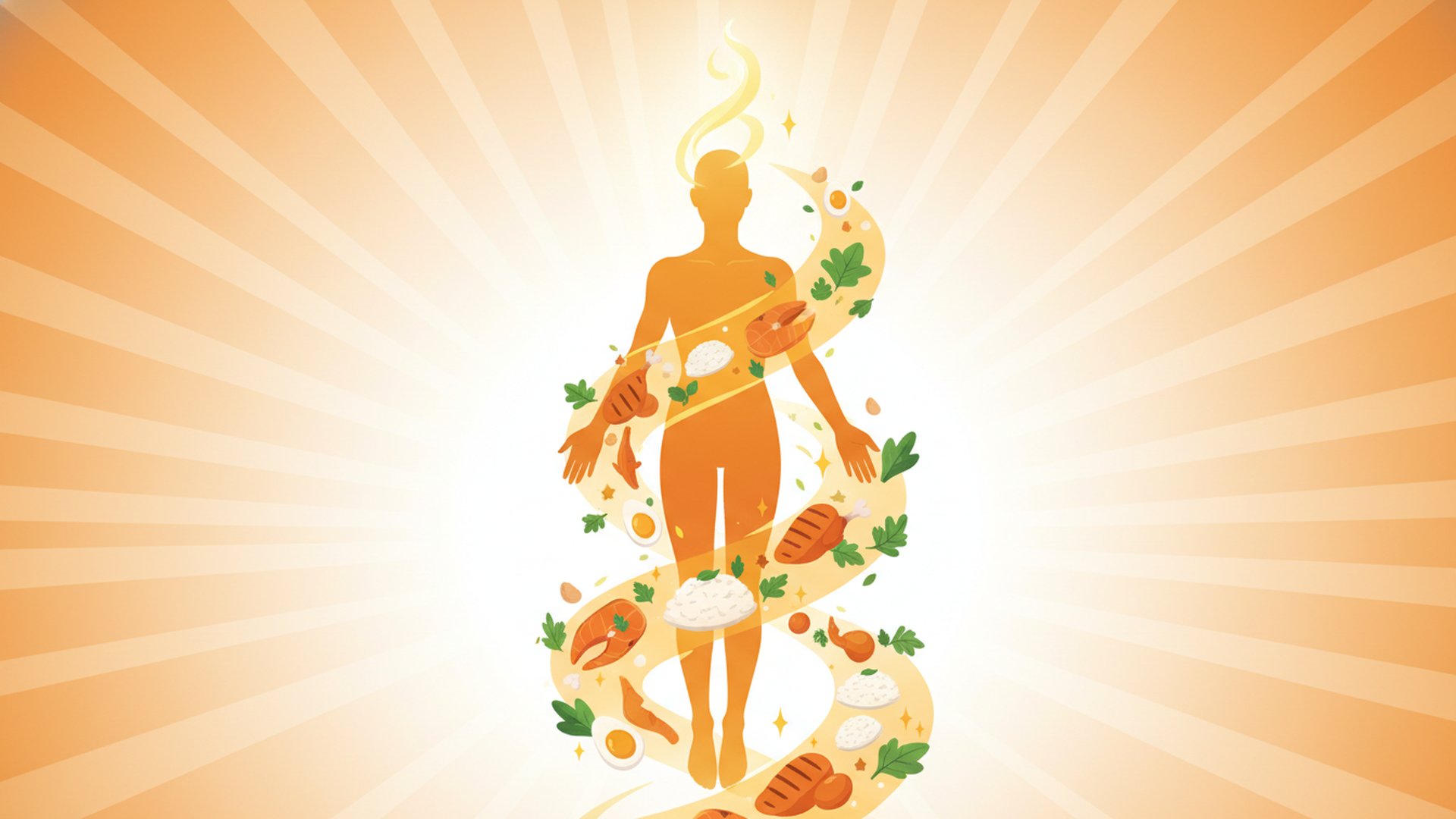
Why High-Protein Diets Work (It's Not What You Think)
Protein doesn't burn fat—it makes dieting sustainable. The science of satiety, thermic effect, and muscle preservation, with specific targets and recipes.
Part of The Protein Atlas — your complete guide to protein.
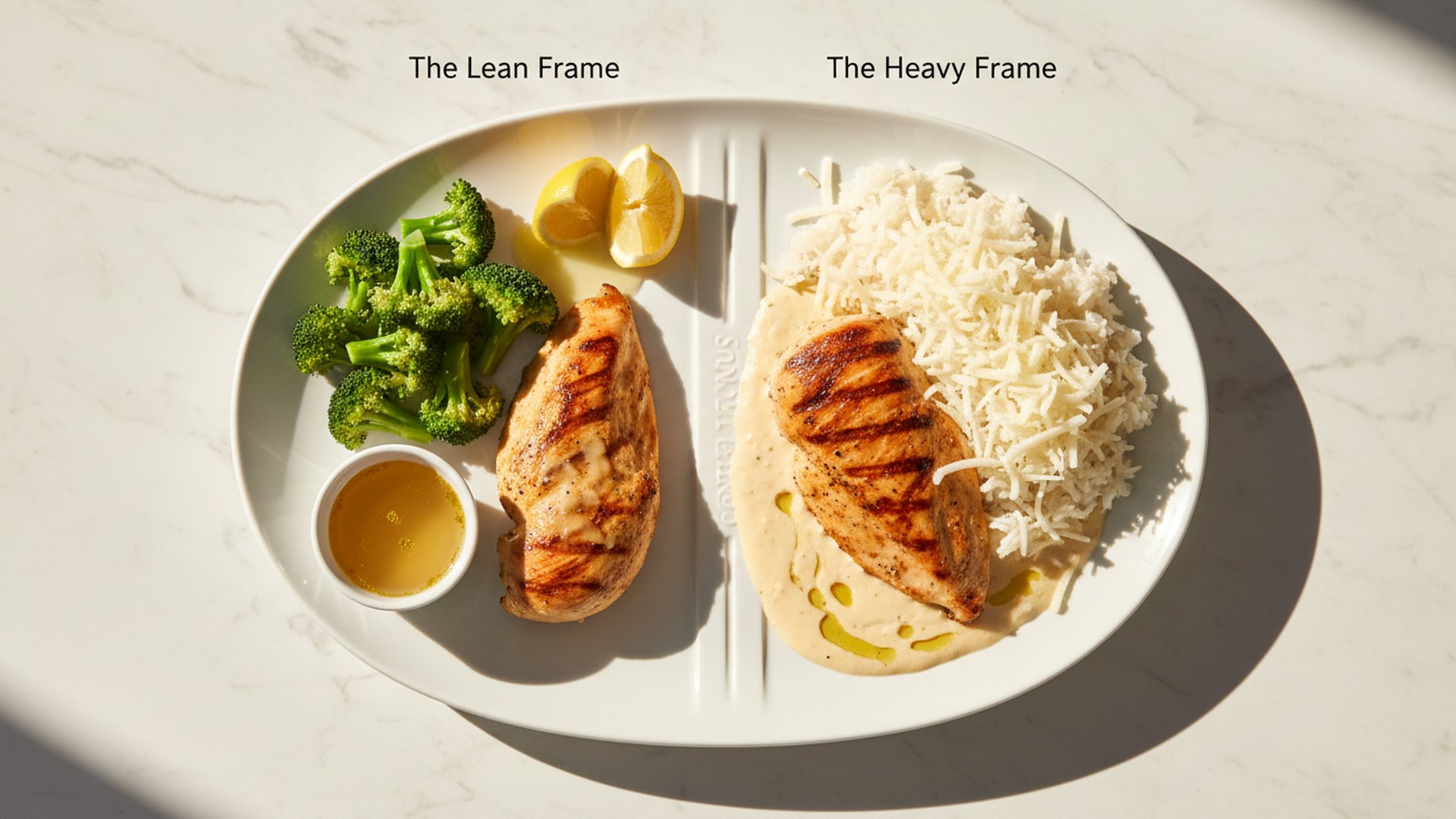
You could eat 400 calories of chicken breast or 400 calories of pasta. Same calories. Completely different outcomes.
The chicken keeps you full for four hours. The pasta leaves you raiding the fridge by 3pm. The chicken burns 80-100 calories just being digested. The pasta burns maybe 30.
This isn’t diet-culture nonsense. It’s thermodynamics and hormones—and understanding the difference changes how you approach weight loss.
High-protein diets work through three measurable mechanisms: protein reduces hunger-hormone ghrelin by ~20 pg/ml while boosting fullness signals (GLP-1, cholecystokinin), burns 20–30% of its own calories during digestion versus 5–10% for carbs and 0–3% for fat, and prevents the muscle loss that would otherwise shrink your metabolism. A 2024 meta-analysis of 47 studies found that exceeding 1.3g of protein per kilogram of body weight significantly prevents muscle loss during calorie restriction. The result is a deficit that’s easier to sustain — not because of willpower, but because the biology is working with you.
You’ve heard “eat more protein” a hundred times. Not once did anyone explain the three mechanisms that make it work.
Eat more protein. Protein is good. You need protein. It’s become background noise. But strip away the slogans and there are three specific mechanisms that make high-protein diets work for weight loss. Each one is measurable, and none of them require supplements.
Three Reasons Protein Actually Works
1. It Changes Your Hunger Hormones
Every failed diet has the same villain: hunger. Not discipline. Not knowledge. Hunger. And protein is the only macronutrient that fights it at the hormonal level.
Protein triggers a hormonal response that carbs and fat can’t match. A meta-analysis of controlled feeding studies found that protein meals reduce hunger scores by 7 points on standardized scales while increasing fullness by 10 points. The mechanism: protein decreases ghrelin (your hunger hormone) by about 20 pg/ml while boosting satiety signals like GLP-1 and cholecystokinin.
Why this matters more than anything else: most diets fail because of hunger.
You can white-knuckle through two weeks of feeling starved. Maybe three. But eventually you break—and usually break hard, undoing weeks of progress in a single weekend. (This isn’t weakness. It’s biology. Ghrelin doesn’t care how motivated you are.)
Protein doesn’t require willpower to work. It just makes the calorie deficit less miserable, which means you can actually sustain it.
2. It Burns More Calories During Digestion
Your body uses energy to break down food. This is called the thermic effect of food (TEF), and the differences between macronutrients are dramatic.
A 2024 meta-analysis of 52 studies confirmed:
| Macronutrient | Calories Burned During Digestion |
|---|---|
| Protein | 20-30% |
| Carbohydrates | 5-10% |
| Fat | 0-3% |
Concrete example: eat 400 calories of grilled chicken, and your body uses 80-120 calories just processing it. Eat 400 calories of butter, and you burn about 12. (Same calories on the label. Wildly different calories your body actually keeps.)
A calorie is not a calorie. Your body’s processing fee depends entirely on what you eat.
That’s not magic. It won’t transform your body overnight. But combined with reduced hunger, over weeks and months, it compounds. Every advantage matters when you’re in a sustained deficit.
3. It Protects Your Muscle (Which Protects Your Metabolism)
What most diet advice ignores: when you lose weight, you don’t just lose fat. Your body cannibalizes muscle too.
Research on calorie-restricted diets shows that up to a quarter of the weight people lose is lean mass (muscle, essentially). Lose 20 pounds, and 5 of those pounds might be muscle. Nobody celebrates that on the scale.
This creates a trap that explains most yo-yo dieting. Muscle is metabolically active tissue—it burns calories even when you’re watching TV. Lose muscle, and your daily calorie burn drops. Now you need to eat even less to keep losing weight. This is why so many people regain everything: they didn’t just lose fat. They lost the engine that was burning calories for them.
A 2024 meta-analysis of 47 studies (over 3,200 participants) found a clear threshold: consuming more than 1.3 grams of protein per kilogram of body weight significantly prevents muscle loss during calorie restriction. Drop below 1.0 g/kg, and muscle loss risk climbs substantially.
Protein isn’t just about losing weight. It’s about losing the right weight—and keeping your metabolism intact for what comes after.
One note on “starvation mode”: if you’re worried your metabolism will shut down from dieting, the research is genuinely mixed—about half of studies show modest adaptation, half show none. When it occurs, it’s 90-180 fewer calories daily, not a metabolic emergency. Focus on preserving muscle through protein. That’s what the evidence actually supports.
Recipes That Make This Easy
Five recipes that deliver 37-46 grams of protein per serving—all under 400 calories. High protein doesn’t mean complicated, expensive, or calorie-heavy.
For Mornings
Mediterranean Spinach Feta Egg White Frittata — 39g protein, 278 calories
The highest protein-to-calorie ratio of any breakfast on this site. Egg whites, spinach, feta, tomatoes—ready in 20 minutes. Make it Sunday, eat it all week.
3-Ingredient Banana Egg Protein Pancakes — 41g protein, 338 calories
Banana. Eggs. Protein powder. No flour, no complicated steps. Five minutes from bowl to plate.
For Midday
Tuna Salad Lettuce Wraps — 37g protein, 368 calories
Classic tuna salad in crisp butter lettuce. All the satisfaction, none of the bread-coma. Packs well for work lunches.
For Dinner
Turkey Breast Stir-Fry with Vegetables — 46g protein, 400 calories
Lean turkey, whatever vegetables you have, your favorite sauce. This is the template: protein + vegetables + flavor.
Italian Turkey Meatball Soup — 38g protein, 485 calories
Tender turkey meatballs in tomato-herb broth with orzo and spinach. Freezes beautifully for grab-and-go dinners all week. One pot, 55 minutes, comfort food that actually supports your goals.
For Snacks
Cottage Cheese Peach & Almond Protein Bowl — 45g protein, 376 calories
The protein-density champion. Cottage cheese, fresh peaches, sliced almonds—two minutes to assemble. If you’re struggling to hit your target, this is your gap-filler.
The Bottom Line
Protein doesn’t magically burn fat. It does something more useful: it makes your diet livable.
You stay full between meals. You burn more calories digesting your food. You keep the muscle that maintains your metabolism.
High-protein diets work because you can actually stick with them. That beats a “perfect” diet you abandon after two weeks.
Ready to put this into practice? The right amount depends on your goals, age, and activity level. Calculate your personal protein target →
Featured Recipes
All 6 recipes from this article, ready to cook
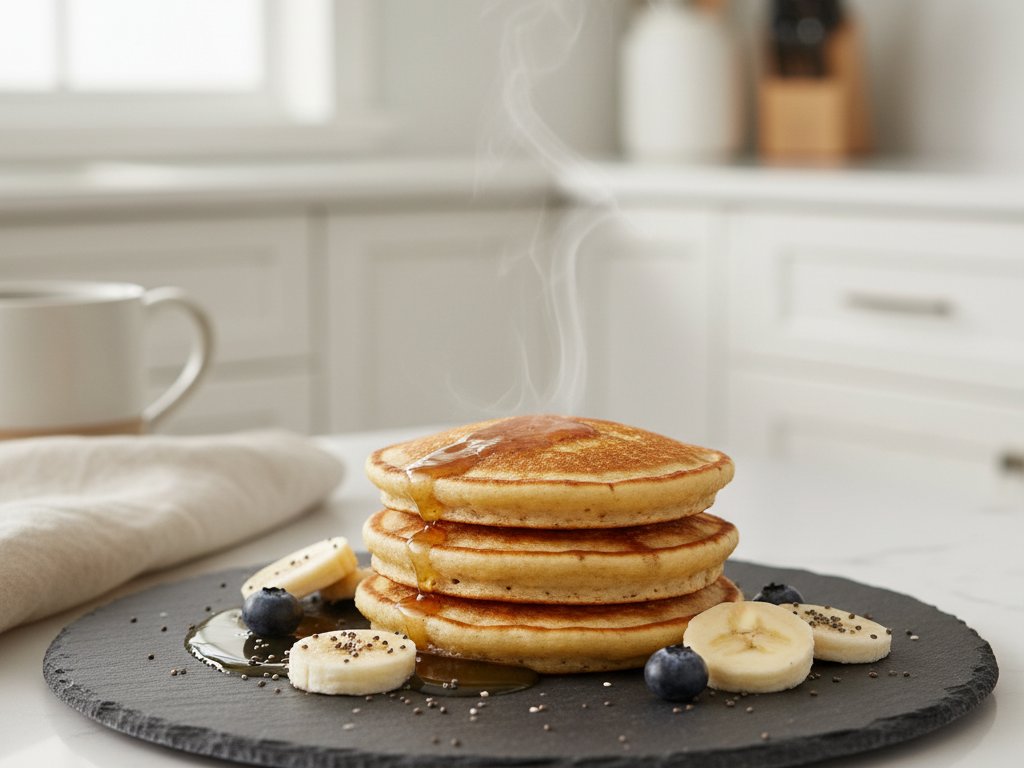
1. 3-Ingredient Banana Protein Pancakes
Banana protein pancakes with just 3 ingredients — eggs, banana, protein powder. 41g protein, 338 cal per serving. No flour, ready in 15 minutes.
View Recipe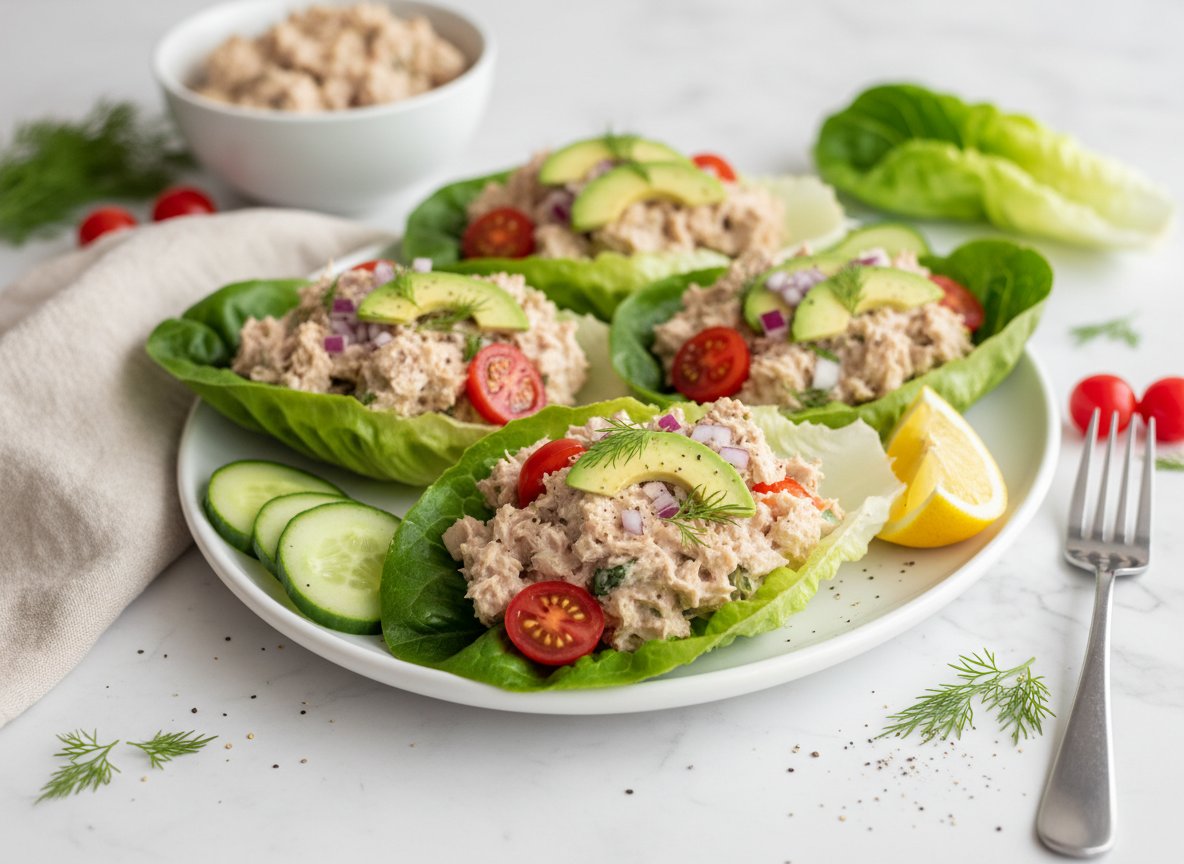
2. Tuna Salad Lettuce Wraps
Lemony tuna salad with crisp celery nestled in fresh butter lettuce cups. 37g protein, 368 cal in just 15 minutes.
View Recipe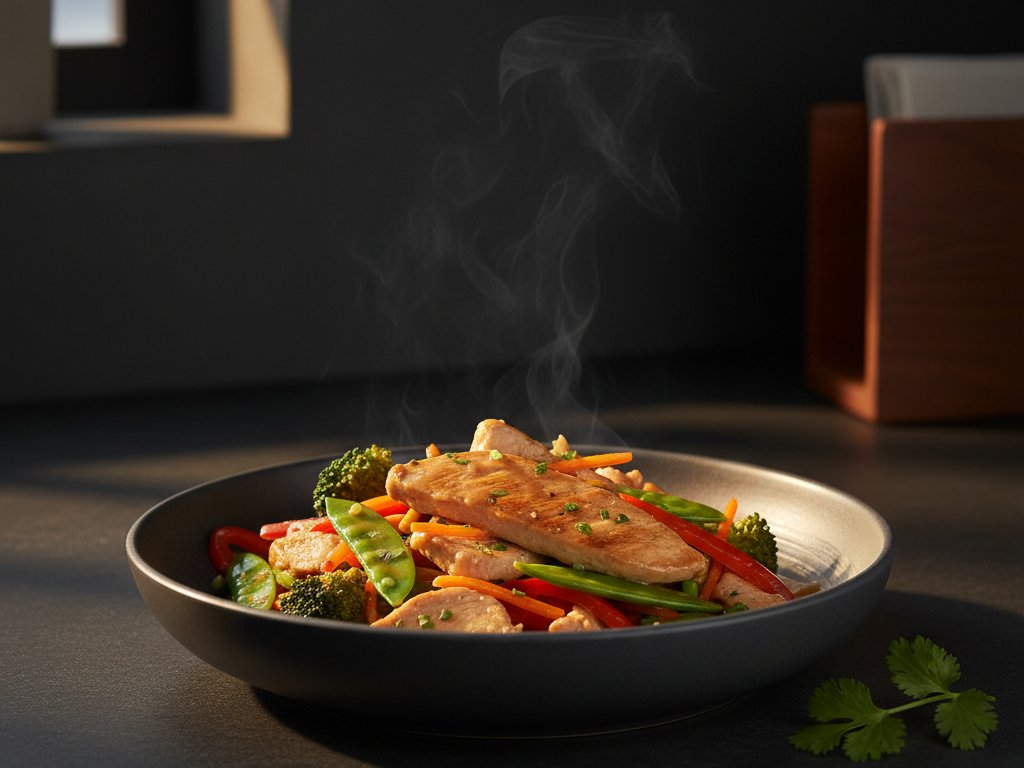
3. Turkey Breast Stir-Fry with Vegetables
Silky turkey breast stays juicy alongside crisp broccoli and snap peas in ginger-soy sauce. 46g protein, 400 cal.
View Recipe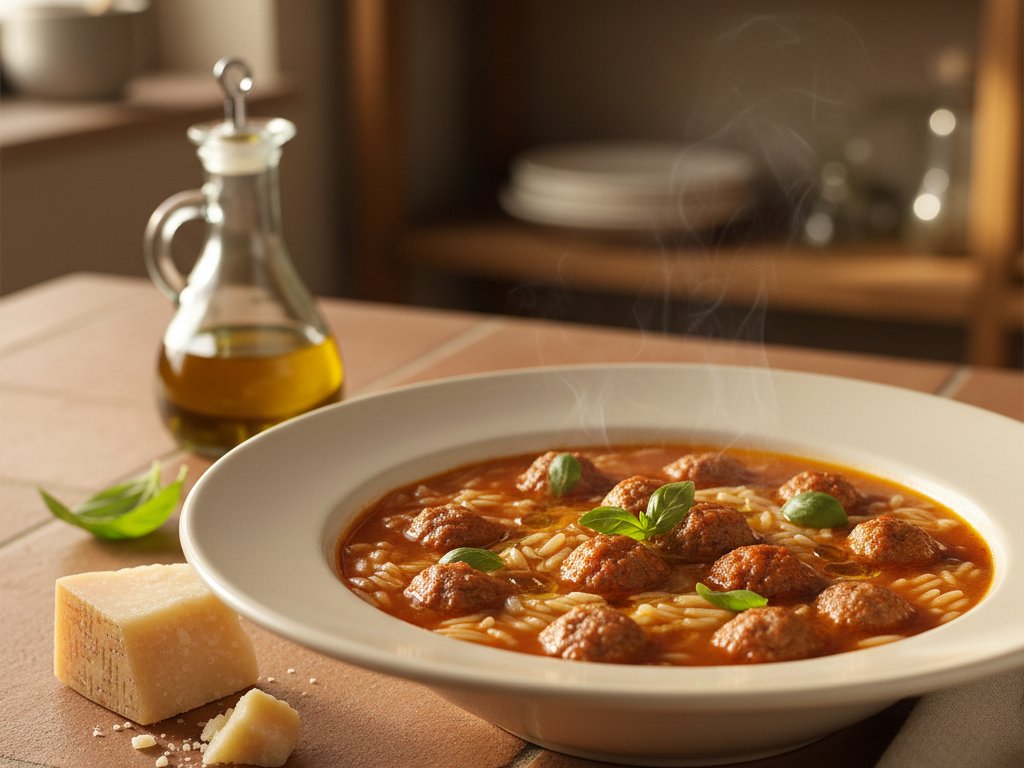
4. Italian Turkey Meatball Soup
Hearty turkey meatball soup with orzo, cannellini beans, and spinach in a tomato-herb broth. Freezer-friendly, ready in 55 minutes. Serves 4.
View Recipe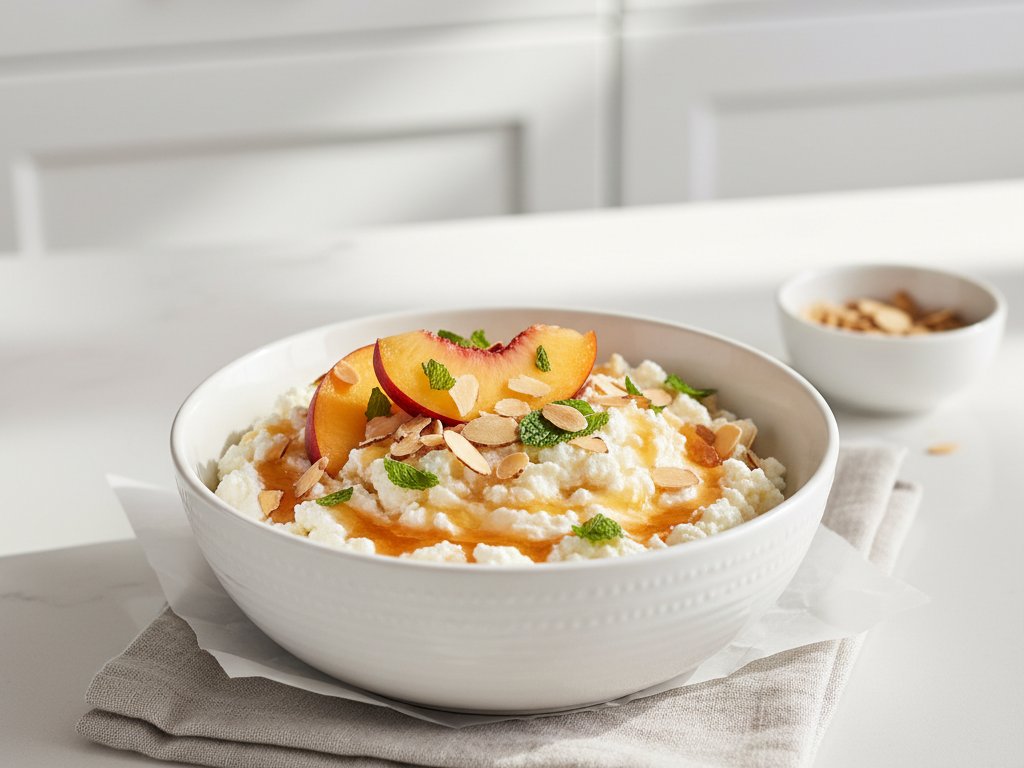
5. Cottage Cheese Peach & Almond Bowl
Sweet ripe peaches and crunchy almonds over silky cottage cheese. 45g protein, 376 cal, ready in 5 min. Summer in a bowl.
View Recipe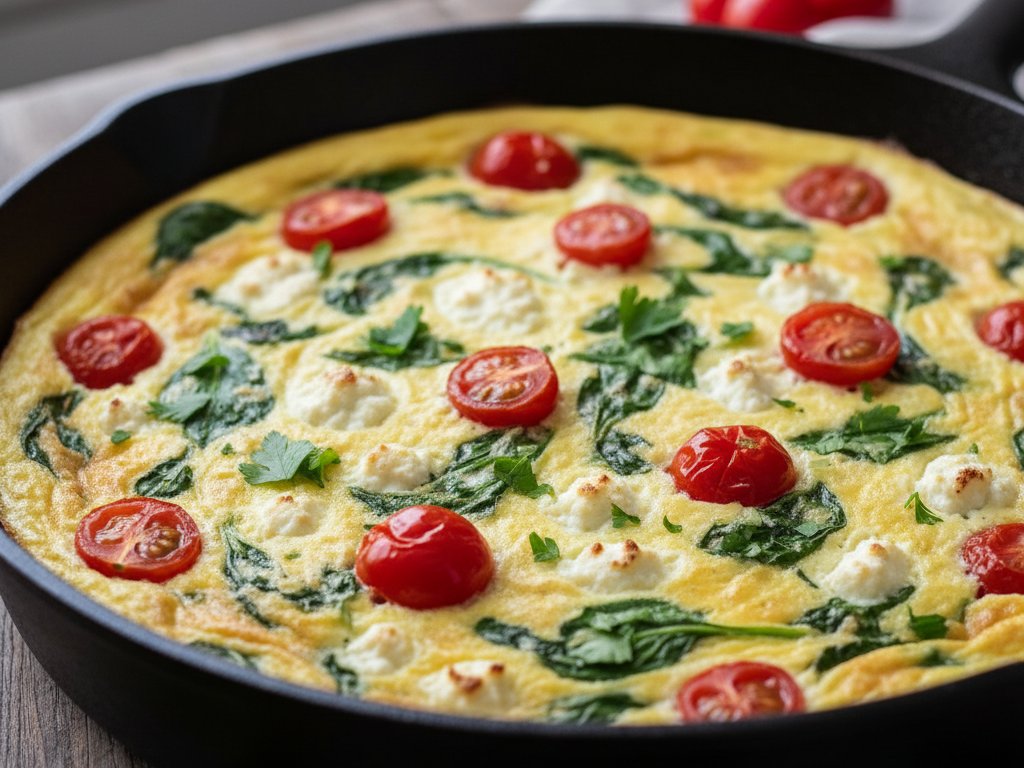
6. Mediterranean Spinach Feta Egg White Frittata
Airy egg whites baked with fresh spinach and tangy feta. 39g protein, 278 cal, 50 min. Mediterranean flavors in a meal-prep friendly frittata.
View Recipe