We Ranked All 133 Recipes by Protein-Per-Calorie. Some Results Surprised Us.
Cottage cheese bites beat chicken breast. Plant-based recipes clustered at the bottom. We ranked every recipe by protein efficiency.
Part of The Protein Atlas — your complete guide to protein.
Cottage cheese bites beat chicken breast by 72%.
That’s not a typo. When you rank recipes by grams of protein per 100 calories — not just total protein — the results look nothing like what fitness influencers post.
Four of the top 5 protein-efficient recipes on this site are snacks. Not a single chicken breast dinner made the cut.
Ranked by grams of protein per 100 calories across 133 recipes, the top spot goes to Egg White Cottage Cheese Bites at 19.6g per 100 cal — 72% more efficient than a plain chicken breast meal prep (11.4g). Four of the top 5 protein-efficient recipes are snacks or light bites, not dinners; the only dinner in the top 5 is Filipino chicken adobo at 13.4g, whose soy-vinegar braise adds flavor with almost no calories. Plant-based recipes cluster at the bottom (beans average 5.2g, lentils 6.4g) because legumes carry carbohydrates structurally — a gap no recipe redesign can close.
Everyone measures protein the same way: grams per serving. “This recipe has 50g of protein!” Great. But 50g of protein in a 750-calorie meal is a different story than 50g in a 400-calorie meal. The first gives you 6.7g of protein per 100 calories. The second gives you 12.5g. Nearly double the protein efficiency, from the same grams on the label.
If you’ve ever compared protein bars or beef jerky, you already think this way. A 200-calorie bar with 20g protein? That’s 10g per 100 cal. Solid. A 300-calorie bar with 15g? That’s 5g per 100 cal. Not great. Same logic, applied to every recipe on this site.
So we did what nobody else has done: ranked every recipe by its actual protein density.
The Metric: Protein Per Calorie
The formula is simple:
Protein (g) per 100 Calories
A raw chicken breast scores about 18.8g per 100 cal. An egg white hits 20.8g. These are the theoretical ceiling — plain protein sources with minimal fat or carbs.
For actual recipes with seasonings, sides, and sauces? Here’s how to read the numbers:
| Score | Meaning | Think of it like… |
|---|---|---|
| 14g+ per 100 cal | Elite | Better than most protein bars |
| 10–14g per 100 cal | Excellent | Comparable to beef jerky |
| 7–10g per 100 cal | Solid | Good everyday meal |
| Below 7g per 100 cal | Low density | Carbs/fats dominate |
If you’ve ever grabbed a protein bar and checked whether it hits 10g per 100 cal, you already have the right instinct. Same threshold works here.
All nutrition data on this site is USDA-sourced. We checked the top recipes against FoodData Central and the numbers held — we later went back and recomputed every recipe on the site against USDA data to see how the claims held up across the board, not just the leaders (see the full audit). (We’re aware that obsessing over grams-per-hundred-calories is a particular kind of personality. We own it.)
Here’s what we found across all 133 recipes. The spread from top to bottom: 4.4x.
S-Tier: The Elite (14g+ per 100 cal)
Four recipes scored above 14g per 100 cal. They’re all protein-dominant with minimal caloric overhead.
| Rank | Recipe | Protein | Calories | g/100 cal |
|---|---|---|---|---|
| 1 | Egg White Cottage Cheese Bites | 24.3g | 124 | 19.6 |
| 2 | Cottage Cheese Cucumber Cups | 21.7g | 137 | 15.8 |
| 3 | Greek Yogurt Herb Dip with Fresh Veggies | 23.0g | 155 | 14.8 |
| 4 | Mediterranean Spinach Feta Egg White Frittata | 39.0g | 278 | 14.0 |
The surprise: the entire elite tier is snacks and light bites. Not a single dinner cracks 14g per 100 cal. The closest dinner is Filipino chicken adobo (#5, 13.4g), which gets there with a soy-vinegar braise that adds flavor and almost no calories.
Egg White Cottage Cheese Bites (#1) hit 19.6g per 100 cal. That’s within striking distance of plain chicken breast (18.8g). A recipe with seasoning, cheese, and structure performing like a raw ingredient. Cottage cheese and egg whites together are doing something lean chicken dinners can’t: packing protein into almost nothing else.
(Notice what’s missing from the top 5: chicken breast. The ingredient every fitness account treats as gospel doesn’t crack the elite tier. It shows up at rank 14. More on that below.)
A-Tier: Everyday Winners (10–14g per 100 cal)
Twenty-eight recipes live in A-tier. This is where protein-forward cooking actually happens — meals you’d eat on a regular Tuesday, not just protein-optimized snacks.
Standouts worth noting:
Filipino Chicken Adobo (#5) is the highest-ranked dinner on the site, and it proves that bold flavor doesn’t kill protein density. The soy-vinegar braise adds negligible calories while keeping all the chicken’s protein intact. If someone tells you “clean eating” means bland eating, show them this recipe at 13.4g per 100 cal.
Lemon Herb Chicken Breast Meal Prep (#14) is the first “classic chicken breast” recipe on the list — at rank 14, not rank 1. It scores 11.4g per 100 cal, which is strong. But it’s 42% less efficient than Egg White Cottage Cheese Bites. The chicken breast premium is real, but it’s not the automatic winner people assume. (And if you’re wondering whether thighs are worth the trade-off, see Chicken Breast vs Thigh: Which Has More Protein?)
3-Ingredient Banana Egg Protein Pancakes (#8) at 12.2g per 100 cal outscore the chicken breast meal prep (11.4g). Pancakes. Beating chicken. Let that settle for a second. Three ingredients, zero cooking stress, better protein efficiency than the food every gym bro swears by.
B-Tier: Solid Everyday Meals (7–10g per 100 cal)
Fifty-four recipes land here. This is the bulk of any practical meal rotation — stir-fries, sheet pans, bowls, soups, and pastas that deliver good protein without optimizing for it exclusively.
| Rank | Recipe | Protein | Cal | g/100 cal |
|---|---|---|---|---|
| 33 | Greek Yogurt Berry Smoothie Bowl | 53.4g | 536 | 10.0 |
| 35 | Instant Pot Beef Stew | 43.5g | 442 | 9.8 |
| 38 | Lighter Chicken Parmesan Bake | 38.6g | 401 | 9.6 |
| 40 | Pesto Chicken Protein Pasta Bake | 41.6g | 433 | 9.6 |
| 46 | Sheet-Pan Lemon Garlic Chicken & Veg Tray | 58.1g | 623 | 9.3 |
| 47 | Creamy Chicken Alfredo Pasta | 51.1g | 555 | 9.2 |
| 52 | Teriyaki Salmon Sheet Pan | 42.0g | 485 | 8.7 |
| 56 | Slow Cooker Chicken Tortilla Soup | 40.0g | 488 | 8.2 |
| 71 | Korean Beef Bulgogi Bowl | 54.7g | 739 | 7.4 |
| 86 | Garlic Butter Salmon and Asparagus | 52.0g | 742 | 7.0 |
(Showing 10 of 54 — see all recipes ranked →)
The best protein ratio you’ll never eat is worse than a mediocre one you eat every week.
B-tier is where most home cooking lives, and that’s fine. Nobody’s meal-prepping egg white cottage cheese bites five nights a week. (If you are, we respect the commitment. We also worry about you.)
A chicken alfredo pasta at 9.2g per 100 cal isn’t winning any density contests, but 51g of protein in a meal you’ll actually look forward to? That’s worth more than a perfect ratio in a meal you skip.
The pattern here: sauces, grains, and cooking fats pull recipes from A-tier to B-tier. Pesto adds flavor and fat. Rice adds bulk and carbs. Teriyaki glaze adds sugar. None of these are problems. They’re the reason food tastes good. The protein is still there.
C-Tier: Know What You’re Getting (Below 7g per 100 cal)
Forty-seven recipes fall below 7g per 100 cal. No shaming — these are legitimate meals. But if you’re counting protein per calorie specifically, these are the least efficient options.
| Rank | Recipe | Protein | Cal | g/100 cal |
|---|---|---|---|---|
| 112 | Smoked Salmon Cucumber Bites | 16.8g | 282 | 6.0 |
| 114 | Crispy Baked Tofu Buddha Bowl | 36.7g | 627 | 5.9 |
| 119 | Black Bean Burger Patties | 31.3g | 547 | 5.7 |
| 121 | Lentil Bolognese Pasta | 30.5g | 535 | 5.7 |
| 124 | Mediterranean Chickpea Stew | 31.3g | 563 | 5.6 |
| 129 | Chipotle Black Bean Quinoa Bowls | 30.2g | 604 | 5.0 |
| 132 | Spicy Black Bean Tacos with Lime Crema | 30.0g | 658 | 4.6 |
| 133 | Kung Pao Seitan Stir-Fry | 21.2g | 481 | 4.4 |
The plant-based reality: Eight of the bottom 12 recipes are plant-based. Legumes, tofu, and tempeh carry more carbohydrate and fat calories alongside their protein than animal sources do. A black bean taco (4.6g per 100 cal) has 4.3x less protein efficiency than egg white cottage cheese bites (19.6g per 100 cal).
That doesn’t make plant-based recipes bad. It means they solve different problems: fiber, variety, cost, ethics. Not protein density. If you’re eating plant-based and trying to maximize protein per calorie, lean toward tofu stir-fries and lentil-heavy dishes. Bean tacos and grain bowls are great meals. They’re just not protein-efficient meals. (Both things can be true.)
Also in C-tier: several fish recipes drowned in sauce or coconut milk. Thai Coconut Shrimp Curry (#131) has 30.1g of protein but 623 calories because coconut milk is calorically expensive. The shrimp isn’t the problem. The vehicle is. This is a recurring theme: the protein source rarely determines the tier. Everything around it does.
Surprise Findings
Four things the data showed that we didn’t expect:
1. Snacks beat dinners for protein density. Four of the top 5 are snacks or appetizers. The less a recipe needs around it (sauces, sides, grains), the better its ratio. Dinner is structurally disadvantaged. Nobody tells you this.
2. Chicken noodle soup outranks most chicken dinners. Hearty Chicken Noodle Soup (#6, 13.0g per 100 cal) beats Sheet-Pan Lemon Garlic Chicken (#46, 9.3g per 100 cal), which has more total protein. The soup wins by using broth as the caloric base instead of oil and starch. Liquid meals are sneakily efficient.
3. Cottage cheese is a cheat code. Three of the top 5 feature cottage cheese or Greek yogurt as the primary protein. These dairy bases deliver protein with minimal fat and almost zero carbs. If the fitness industry had discovered cottage cheese before chicken breast, gym culture would look very different right now.
4. The protein source matters less than the recipe structure. Chicken appears in all four tiers. So does fish. The difference between a 13g and a 7g chicken recipe isn’t the chicken. It’s the rice, sauce, and oil around it. Stop blaming ingredients. Blame recipes.
What This Means for Your Plate
This ranking is a tool, not a diet plan. How to use it depends on your goal:
Cutting (calorie deficit): Lean toward S-tier and A-tier. These recipes give you the most protein for your calorie budget. When every calorie counts, a 14g-per-100 recipe delivers twice the protein density of a 7g-per-100 recipe. That math adds up over weeks.
Maintaining: Mix A-tier and B-tier freely. You have calorie headroom, so the efficiency gap matters less. Eat what you enjoy. A B-tier recipe you cook three times a week beats an S-tier recipe you make once and forget about.
Building (calorie surplus): C-tier is fine. You need calories anyway. A 700-calorie grain bowl with 35g of protein fills two goals at once. Don’t optimize for density when you’re trying to eat more.
For everyone: Use the tiers to make informed swaps, not to restrict choices. Replacing a C-tier dinner (5g per 100 cal) with a B-tier dinner (8g per 100 cal) once a week adds 10-15g of protein over the same calories. Small upgrades compound.
Read more from The Protein Atlas:
- Why Your High-Protein Meals Have So Many Calories — The regression analysis behind these rankings.
- How Much Protein Do You Actually Need?
- Chicken, Beef, and Fish Compared
The Bottom Line
Maximum protein per calorie? Cottage cheese and egg white recipes. Great meals with strong protein? A-tier and B-tier give you 82 options. Don’t want to think about it? Anything above 7g per 100 cal puts you ahead of most dinners people eat.
Browse all recipes by protein →
Look up the raw ingredients themselves → — instant USDA protein numbers for 64 foods, per 100g and per calorie.
We did the math. Now go cook something.
Featured Recipes
All 5 recipes from this article, ready to cook
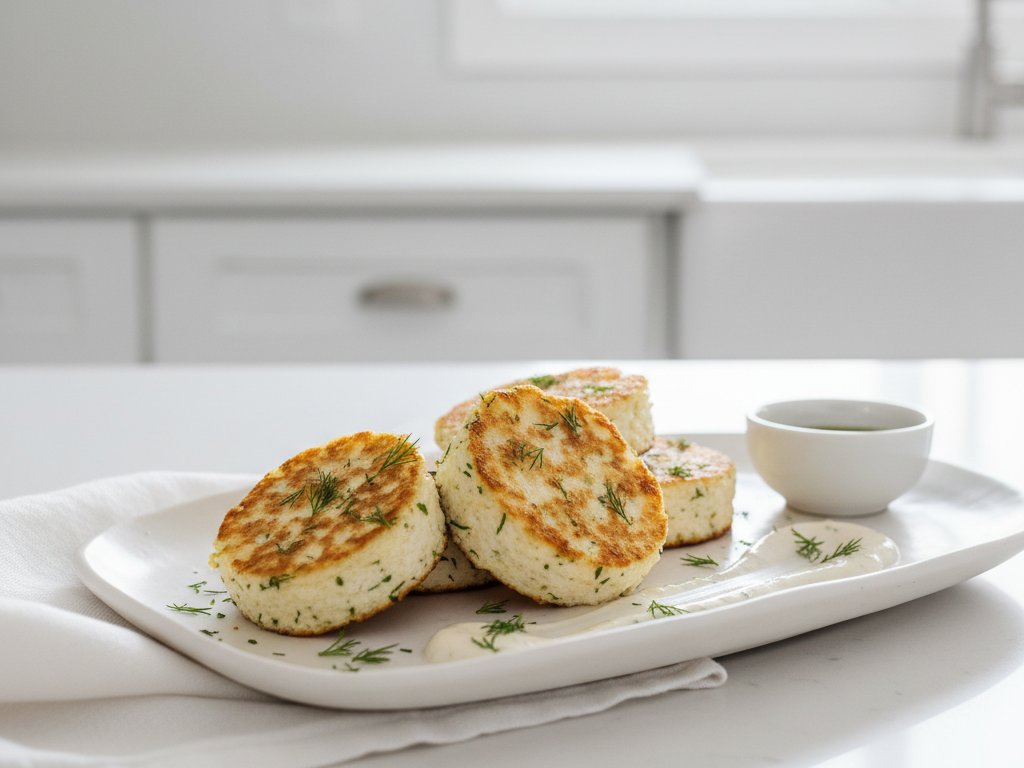
1. Easy Cottage Cheese Egg White Bites
Fresh dill tops seasoned cottage cheese on tender egg whites. 24g protein, just 124 cal, no cooking needed. The ultimate high-protein quick bite.
View Recipe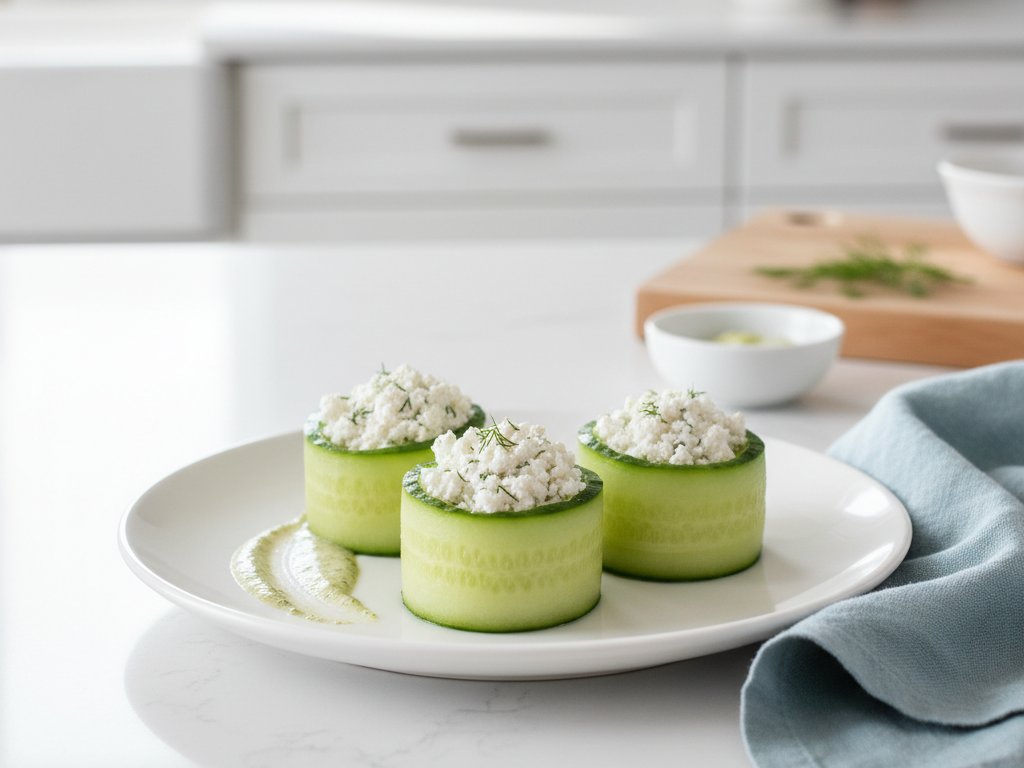
2. Cottage Cheese Cucumber Cups
Crisp cucumber topped with creamy cottage cheese and everything bagel crunch. 22g protein, 137 cal, ready in 3 min. Zero-cook perfection.
View Recipe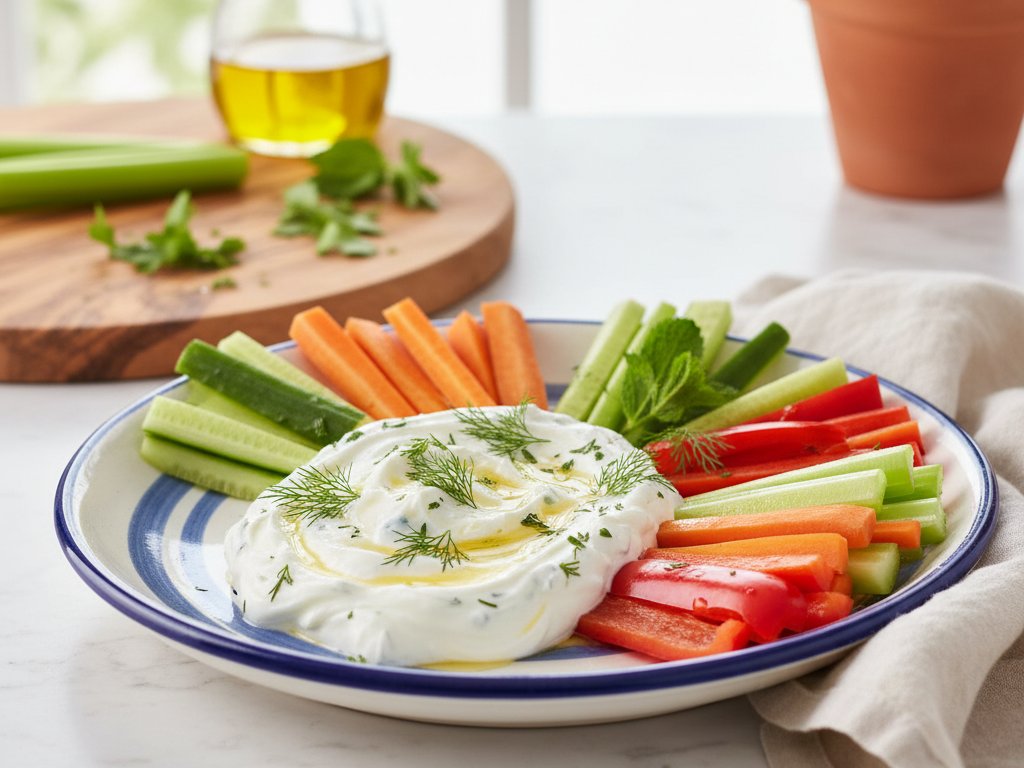
3. Greek Yogurt Herb Dip with Fresh Veggies
Zesty lemon-garlic dip with fresh dill in creamy Greek yogurt. 23g protein, 155 cal, 5 min prep. Served with crisp cucumber and sweet cherry tomatoes.
View Recipe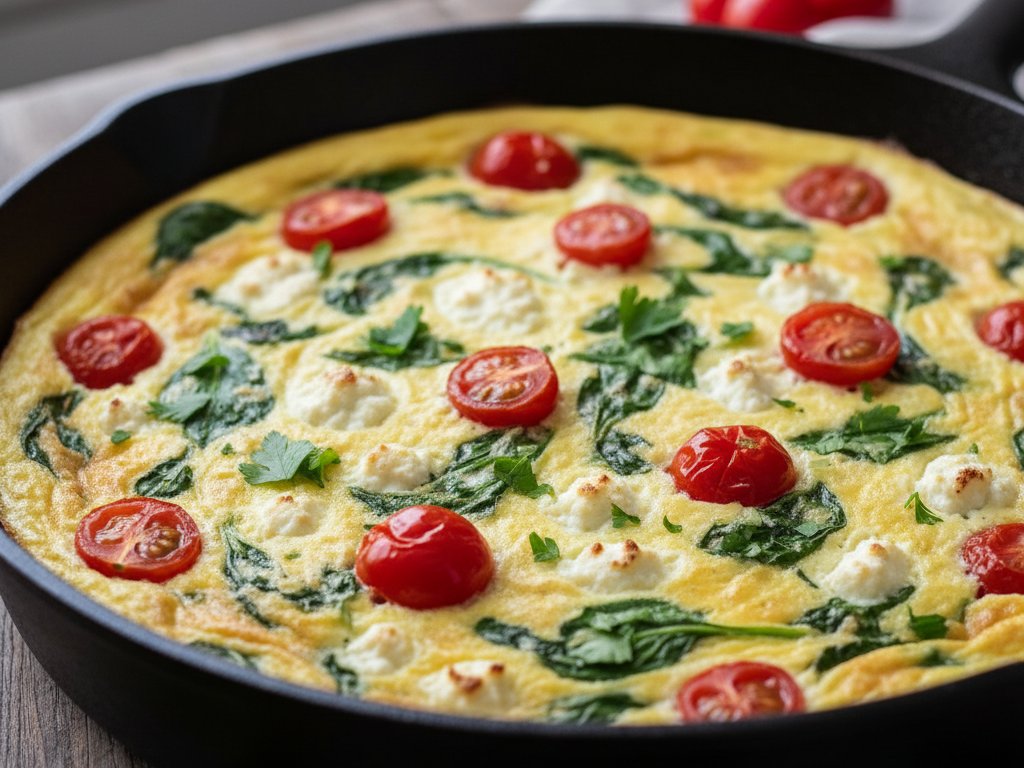
4. Mediterranean Spinach Feta Egg White Frittata
Airy egg whites baked with fresh spinach and tangy feta. 39g protein, 278 cal, 50 min. Mediterranean flavors in a meal-prep friendly frittata.
View Recipe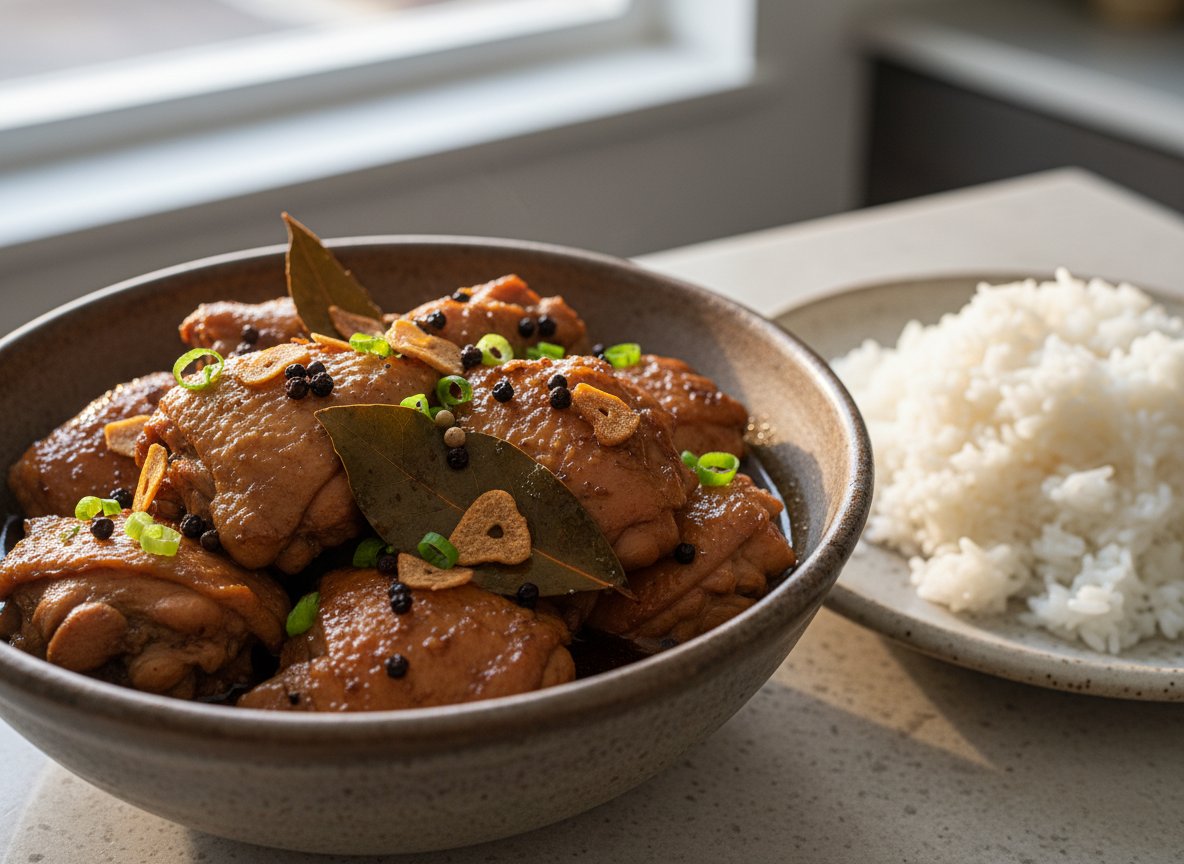
5. Filipino Chicken Adobo
Tangy soy-vinegar braise with fall-apart chicken thighs. 37g protein, 277 cal, 55 min. Garlic, bay leaves, and whole peppercorns build concentrated flavor.
View Recipe