Tuna vs Salmon: Protein, Price, and Which to Actually Buy
Tuna has more protein per calorie. Salmon has 19x the omega-3s. Canned tuna costs a third as much. Data-backed comparison with recipes for both.
Part of The Protein Atlas — your complete guide to protein.
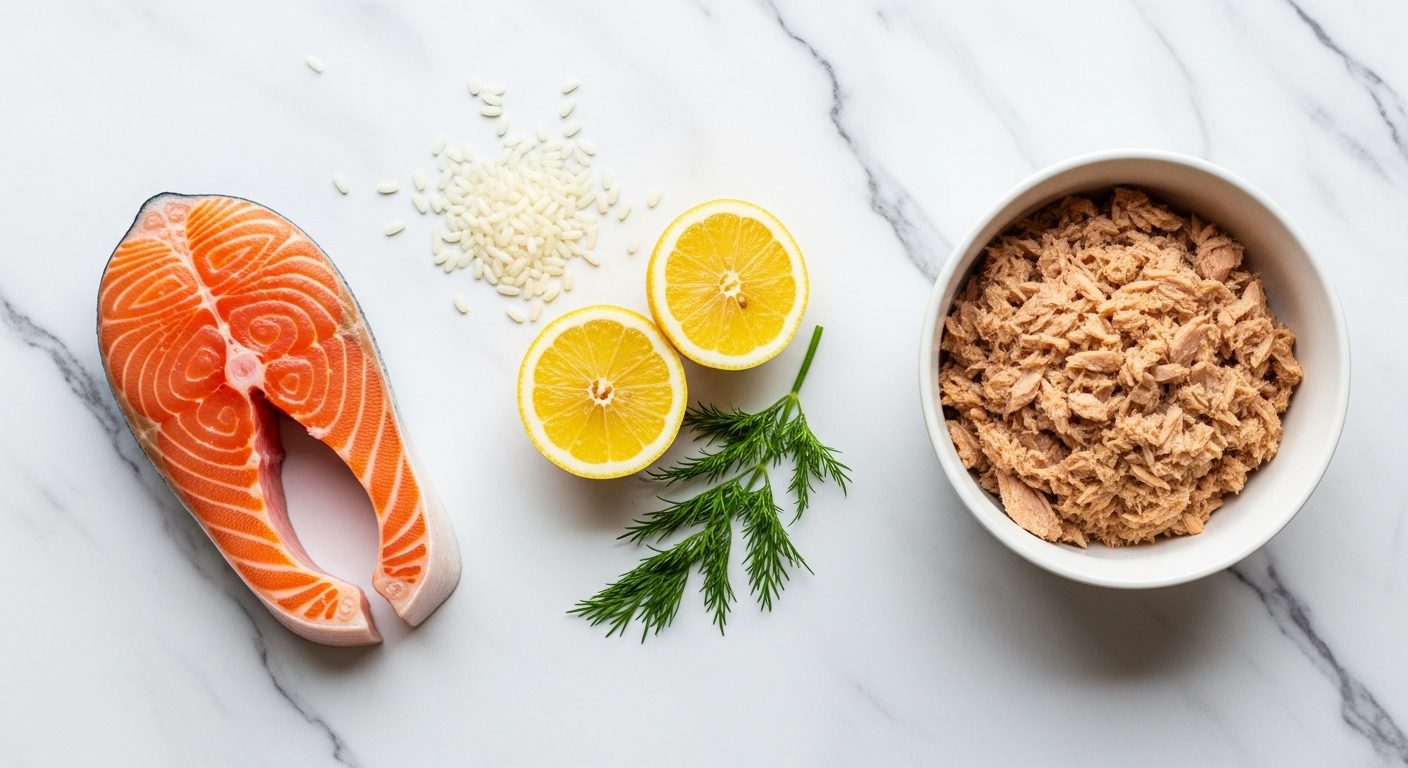
Light canned tuna: 25.5g protein, 116 calories per 100g. Atlantic salmon: 25.4g protein, 208 calories. Nearly identical protein. Wildly different everything else.
Salmon has 19x more omega-3s. Tuna has half the calories. Canned tuna costs a third as much as canned salmon. Mercury? Depends entirely on which tuna you buy. Whether you’re comparing salmon vs tuna for meal prep or just trying to figure out which can to grab, here’s every number that matters.
Buy both. Use them for completely different things.
I used to default to whatever was on sale. Now I keep canned tuna for Tuesday lunches and salmon fillets for Thursday dinner. The price difference funds the omega-3 difference. Here’s why that split works.
Buy both — they solve different problems. Canned light tuna for budget meal prep, quick lunches, and high-frequency eating (25.5g protein, 116 cal, ~$1.25/can). Salmon fillets for weeknight dinners and omega-3s (25.4g protein, 208 cal, 2,260mg EPA+DHA). If you only pick one: canned tuna for budget, salmon for health. If mercury concerns you, salmon is 6x lower across the board.
Choose tuna if: you’re on a budget, want no-cook meals, eat fish 3+ times a week, or need the leanest option (0.8g fat per 100g).
Choose salmon if: omega-3s are a priority, you cook dinner most nights, mercury is a concern, or you want the most versatile fish for meal prep.
How Much Protein Is in Tuna vs Salmon?
The short answer: almost the same per gram. The longer answer depends on which form you’re buying.
| Per 100g (cooked/drained) | Protein | Calories | Fat | Omega-3 EPA+DHA | Mercury |
|---|---|---|---|---|---|
| Tuna | |||||
| Canned light (skipjack), in water | 25.5g | 116 | 0.8g | 120mg | 0.126 ppm |
| Canned albacore (white), in water | 23.6g | 128 | 3.0g | 860mg | 0.350 ppm |
| Yellowfin, cooked | 29.2g | 139 | 1.2g | 120mg | 0.354 ppm |
| Salmon | |||||
| Atlantic, cooked | 25.4g | 208 | 12.4g | 2,260mg | 0.022 ppm |
| Canned pink, drained | 23.6g | 136 | 5.2g | 1,090mg | 0.030 ppm |
Source: USDA FoodData Central (FDC #171087, #171086, #175159, #175168, #171070). Mercury: FDA monitoring data.
Three things stand out. First, fresh yellowfin tuna has the highest protein of any option at 29.2g per 100g — but also the highest mercury. Second, the omega-3 gap is enormous: Atlantic salmon delivers nearly 19x more EPA+DHA than light canned tuna. Third, canned versions of both fish have slightly less protein than fresh, but the convenience and price make up for it.
The protein-per-gram story is essentially a tie. Where these fish diverge is everything in the other columns.
Which Gives You More Protein Per Calorie?
Tuna wins this one clearly, and it matters if you’re in a calorie deficit.
| Metric | Light Tuna (canned) | Atlantic Salmon | Winner |
|---|---|---|---|
| Protein per 100 cal | 22.0g | 12.2g | Tuna |
| Protein per 100g | 25.5g | 25.4g | Tie |
| Calories per 25g protein | 114 | 205 | Tuna |
To get 25g of protein from canned tuna, you spend 114 calories. To get the same from salmon, you spend 205 calories — nearly double. The difference is fat: salmon has 12.4g of fat per 100g (mostly the omega-3s you want), while canned tuna has 0.8g.
This matters most for people eating in a deficit or stacking multiple protein sources in one day. If you’re already hitting 140g+ of protein, every calorie counts. Tuna gives you more room.
But if you’re eating at maintenance or in a surplus, the extra 90 calories from salmon comes with 2,260mg of omega-3s. That’s a trade most nutritionists would take.
Tuna is the leaner protein. Salmon is the more complete meal.
What About Omega-3s?
This is where salmon pulls away and it’s not close.
Atlantic salmon delivers roughly 2,260mg of EPA and DHA (the two omega-3 fatty acids your body actually uses for heart and brain health) per 100g. Canned light tuna delivers about 120mg. That’s a 19:1 ratio. Even canned pink salmon (1,090mg) outperforms every form of tuna except albacore (860mg).
| Fish | EPA+DHA per 100g | Servings to hit 250mg/day* |
|---|---|---|
| Atlantic salmon | 2,260mg | Less than half a serving |
| Canned pink salmon | 1,090mg | About 1 serving |
| Canned albacore tuna | 860mg | About 1 serving |
| Canned light tuna | 120mg | More than 2 servings |
| Yellowfin tuna (fresh) | 120mg | More than 2 servings |
*250mg EPA+DHA/day is the minimum intake associated with cardiovascular benefit in observational studies.
Why this matters: most adults eating a Western diet get less than 100mg of EPA+DHA per day. The American Heart Association recommends two servings of fatty fish per week specifically because of this gap. One serving of salmon covers multiple days. Light tuna barely registers.
Strong evidence: Regular consumption of EPA and DHA from fatty fish is associated with reduced risk of cardiovascular disease. This is among the most consistent findings in nutritional epidemiology (AHA Scientific Statement, 2018).
The practical takeaway: if you eat fish twice a week, make at least one of those salmon. If you eat fish four or five times a week (common for high-protein diets), tuna can fill the other slots — but salmon should anchor at least one or two.
Albacore tuna is the interesting middle ground. At 860mg EPA+DHA, it’s closer to canned salmon than to light tuna. The trade-off is mercury, which leads to the next question.
Is Mercury Actually a Problem?
Yes, but the risk varies dramatically by fish type. Salmon is consistently among the lowest-mercury fish you can buy. Tuna ranges from low to moderate depending on the species.
| Fish | Mean Mercury (ppm)* | FDA Category | Safe Servings/Week |
|---|---|---|---|
| Atlantic salmon (fresh) | 0.022 | Best Choices | 2-3 |
| Canned pink salmon | 0.030 | Best Choices | 2-3 |
| Canned light tuna (skipjack) | 0.126 | Best Choices | 2-3 |
| Canned albacore tuna | 0.350 | Good Choices | 1 |
| Yellowfin tuna (fresh) | 0.354 | Good Choices | 1 |
*ppm = parts per million, a standard measure of concentration. Lower is better. Source: FDA Mercury Levels in Commercial Fish and Shellfish monitoring data. “Best Choices” = 2-3 servings/week. “Good Choices” = 1 serving/week. One serving = 4 oz (113g) cooked.
Strong evidence: Methylmercury accumulates in larger, longer-lived predatory fish. Albacore tuna and yellowfin are mid-chain predators with mercury levels roughly 10-15x higher than salmon. FDA and EPA joint guidance (2017, still current) sets serving limits accordingly.
The key distinction most articles miss: not all tuna is the same for mercury. Light tuna (skipjack) has less than half the mercury of albacore or yellowfin. It falls in the same FDA category as salmon — “Best Choices,” safe for 2-3 servings per week.
If you eat fish daily or near-daily, this matters. Three cans of light tuna per week is within FDA guidelines. Three cans of albacore is not. Salmon has essentially no practical mercury limit for normal consumption.
For pregnant or nursing women, the FDA recommends avoiding high-mercury fish entirely and sticking to “Best Choices” options. Both canned light tuna and all forms of salmon qualify.
Which Is Cheaper?
Canned tuna is the cheapest high-protein fish you can buy. It’s not even close.
| Item | Approximate Price | Protein per Can/lb | Cost per 25g Protein |
|---|---|---|---|
| Canned light tuna (5 oz) | $1.00-1.50 | ~30g per can | ~$1.10 |
| Canned albacore tuna (5 oz) | $2.00-2.80 | ~28g per can | ~$2.15 |
| Canned pink salmon (6 oz) | $2.50-3.50 | ~28g per can | ~$2.70 |
| Fresh Atlantic salmon | $8-12/lb | ~104g per lb | ~$2.40 |
| Fresh yellowfin tuna steaks | $12-18/lb | ~133g per lb | ~$2.80 |
| Frozen salmon fillets | $6-9/lb | ~104g per lb | ~$1.80 |
Prices are approximate US grocery ranges (Walmart, Kroger, Costco). Your local prices will vary.
At midrange prices, canned light tuna delivers about 24g of protein per dollar ($1.25 for ~30g protein). Canned salmon delivers about 9g per dollar ($3.00 for ~28g protein). That’s roughly a 2.5:1 advantage for tuna on budget alone.
But frozen salmon fillets close the gap significantly. At $6-9/lb, they deliver fresh-quality salmon at a cost-per-protein closer to canned tuna than to fresh salmon. If budget matters but you want omega-3s, frozen salmon is the move.
The budget strategy I use: canned tuna for 3-4 lunches per week ($5/week), frozen salmon for 1-2 dinners per week ($4-6/week). Total fish budget: roughly $10/week for 5-6 high-protein meals.
How Do They Actually Cook?
This is where the “buy both” advice becomes practical. Tuna and salmon occupy different slots in your week.
Tuna is the convenience protein. Open a can, drain it, put it on something. The barrier to a tuna meal is essentially zero. It goes into salads, grain bowls, wraps, and rice bowls without any cooking at all. When you’re tired, short on time, or just need protein without thinking, canned tuna is what chicken breast wishes it could be.
Fresh tuna is a different story. Seared ahi is restaurant food that happens to be easy at home: 90 seconds per side, medium-rare center, done. But you need sushi-grade fish (flash-frozen to kill parasites, safe for raw or rare eating) and a ripping hot pan. It’s a weeknight treat, not a Tuesday default.
Salmon is the weeknight dinner anchor. It takes well to every cooking method: baked (400F, 15-18 minutes), pan-seared (4 minutes per side), air-fried (400F, 8-10 minutes), or grilled. It pairs with almost any starch and vegetable combination. And it meal-preps well for 3-4 days in the fridge.
The meal prep difference matters. Salmon reheats acceptably at 50% microwave power for 90 seconds. Canned tuna doesn’t need reheating at all. Both are strong meal prep proteins, but through completely different approaches: salmon is cook-once-eat-four-times, tuna is assemble-on-the-spot.
| Use Case | Better Option | Why |
|---|---|---|
| Quick no-cook lunch | Canned tuna | Zero prep, zero cleanup |
| Budget meal prep (5+ servings) | Canned tuna | $1.25/can, shelf-stable |
| High-frequency eating (daily fish) | Light canned tuna | Low mercury, low calorie, low cost |
| Weeknight dinner for two | Salmon fillets | 15-min bake, impressive with minimal effort |
| Omega-3 optimization | Any salmon | 19x more EPA+DHA than light tuna |
| Meal prep (cook Sunday, eat Thu) | Baked salmon | Reheats well, holds texture 4 days |
| Sushi night / date night | Fresh yellowfin tuna | Seared ahi is 5-min restaurant-quality |
| Feeding kids or picky eaters | Salmon (teriyaki or honey garlic) | Mild flavor, sweet glaze, no “canned” stigma |
Tuna is the protein you keep in the pantry. Salmon is the protein you plan around.
Our Favorite Tuna Recipes
Organized by how you’ll actually use them.
Budget and no-cook:
- 5-Minute Canned Tuna Protein Bowl — 45g protein, 404 cal. Canned tuna + rice + edamame + sesame. The budget section of this article, in recipe form.
- Tuna Salad Lettuce Wraps — zero cooking, high protein, low calorie. The simplest tuna meal you can make.
- Tuna and Chickpea Cracker Nachos — a snack-sized tuna option when you want something crunchy.
Hot tuna dinners (yes, they exist):
- Tuna Melt Stuffed Peppers — 36g protein, 435 cal. Low-carb tuna melt without the bread. Broiled cheese on top.
- Spicy Tuna Rice Bowl — 34g protein, 542 cal. Sushi-inspired with sriracha mayo and avocado. Works with fresh yellowfin or canned.
Grain bowls and pasta:
- Mediterranean Tuna Grain Bowls — farro, olives, feta, sun-dried tomatoes. A cold lunch that doesn’t feel like a sad desk salad.
- Lemon Herb Tuna Pasta Bowls — quick weeknight pasta with canned tuna, capers, and lemon.
Our Favorite Salmon Recipes
Meal prep:
- Salmon Rice and Broccoli Meal Prep — 43g protein, 689 cal. The classic for a reason. Bake Sunday, eat through Thursday.
- Teriyaki Salmon Sheet Pan — one pan, sweet glaze, minimal cleanup.
Weeknight dinners:
- Garlic Butter Salmon and Asparagus Sheet Pan — 15-minute dinner that looks like you tried.
- Air Fryer Teriyaki Salmon — 8-10 minutes in the air fryer. Crispy skin, sticky glaze.
- Mediterranean Citrus Salmon Bowls — bright, fresh, works hot or cold.
- Miso Glazed Salmon Rice Bowls — umami-rich, restaurant-quality at home.
Breakfast and snacks:
- Smoked Salmon Breakfast Sandwich — high-protein breakfast with smoked salmon and egg.
- Smoked Salmon Quesadilla — crispy, melty, 5-minute lunch.
- Smoked Salmon Cucumber Bites — low-carb snack or appetizer.
Budget option:
- Air Fryer Canned Salmon Patties — 35g protein, 290 cal. Proves canned salmon belongs in your pantry too.
Browse all fish recipes on the Protein Atlas Recipe Finder. For more protein comparisons, see Chicken vs Beef vs Fish: Which Has the Most Protein? and Greek Yogurt vs Cottage Cheese.
The Bottom Line
The protein-per-gram question that brought you here has a boring answer: they’re essentially tied at 25g per 100g. The interesting differences are everywhere else.
Tuna wins on calories (half as many), cost (a third of the price canned), and convenience (open a can, done). Salmon wins on omega-3s (19x more), mercury safety (6x lower), and versatility as a cooked dinner protein.
What to do this week: Buy a 4-pack of canned light tuna and a bag of frozen salmon fillets. Use the tuna for 2-3 quick lunches. Bake the salmon on Thursday for dinner and Friday’s lunch. Total cost: about $10. Total protein: roughly 150g across 4-5 meals. Omega-3 bases covered.
If you’re eating fish more than 4 times a week, keep an eye on mercury: stick to light tuna (skipjack), not albacore, and make at least one or two of those meals salmon. The FDA “Best Choices” category — which includes both canned light tuna and all forms of salmon — allows 2-3 servings per week each.
And if someone asks “which is healthier?” — salmon, by most definitions. More omega-3s, less mercury, similar protein. But tuna at a third of the price means you can eat more fish, more often. That frequency advantage is its own kind of healthy.
Frequently Asked Questions
Which has more protein, tuna or salmon?
Nearly identical. Canned light tuna has 25.5g protein per 100g; Atlantic salmon has 25.4g per 100g (USDA FoodData Central). Fresh yellowfin tuna is highest at 29.2g per 100g, but also has higher mercury. Per calorie, tuna delivers more protein because it has less fat (0.8g vs 12.4g per 100g for salmon).
Is canned tuna as healthy as fresh?
Nutritionally, canned light tuna is comparable to fresh for protein and very close on most micronutrients. The main difference is omega-3 content: canning and draining removes some of the oil-soluble omega-3s, but light tuna is low in omega-3s to begin with (120mg EPA+DHA per 100g). Canned albacore retains more omega-3s (860mg per 100g) because it’s a fattier fish. For protein purposes, canned and fresh are interchangeable.
How much tuna is safe to eat per week?
The FDA categorizes canned light tuna (skipjack) as a “Best Choice” — safe for 2-3 servings per week (1 serving = 4 oz cooked). Canned albacore and fresh yellowfin are “Good Choices” — limit to 1 serving per week due to higher mercury levels (0.350 ppm vs 0.126 ppm for light tuna). Pregnant or nursing women should stick to “Best Choices” only.
Is salmon worth the extra cost over tuna?
If omega-3s matter to you, yes. Atlantic salmon delivers 2,260mg of EPA+DHA per 100g — nearly 19x more than canned light tuna. You’d need to eat more than 2 servings of light tuna to match the omega-3s in half a serving of salmon. The cost difference (roughly $1.25 vs $3.00 per canned serving) buys you meaningful omega-3 intake that most Western diets lack. Frozen salmon fillets ($6-9/lb) offer the best value if you want salmon nutrition at closer to tuna prices.
Can I eat salmon every day?
From a mercury perspective, yes. Atlantic salmon has one of the lowest mercury levels of any commercial fish (0.022 ppm — FDA “Best Choices” category). The FDA recommends 2-3 servings per week, but this is a general guideline for variety, not a safety ceiling for salmon specifically. The practical limit is usually budget, not mercury. Eating salmon daily is safe for most adults; the bigger question is whether you want to spend $8-12/lb daily when canned tuna at $1.25/can achieves similar protein for a fraction of the cost.
Featured Recipes
All 17 recipes from this article, ready to cook
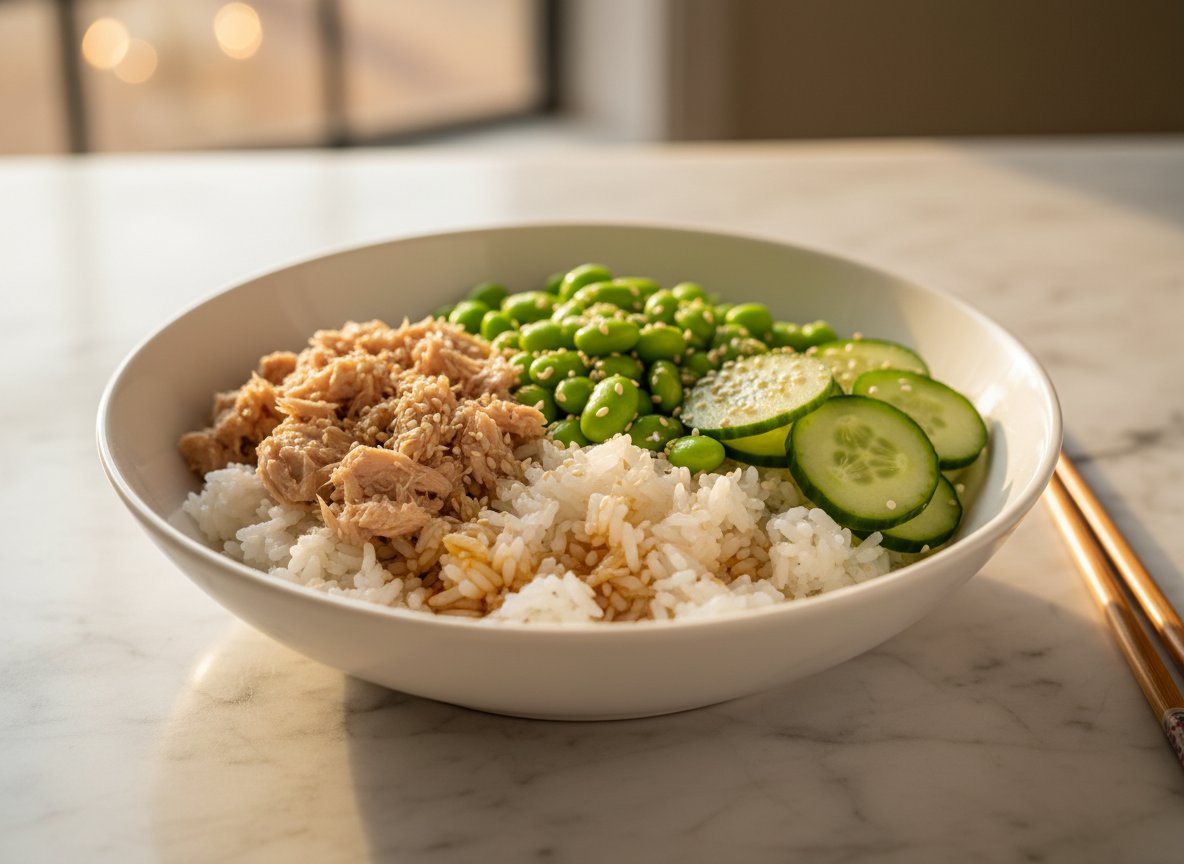
1. 5-Minute Canned Tuna Protein Bowl with Edamame | 45g Protein
One can of tuna, half cup rice, edamame, cucumber, and a soy-sesame drizzle. 45g protein, 404 calories, zero cooking required. Budget meal prep staple.
View Recipe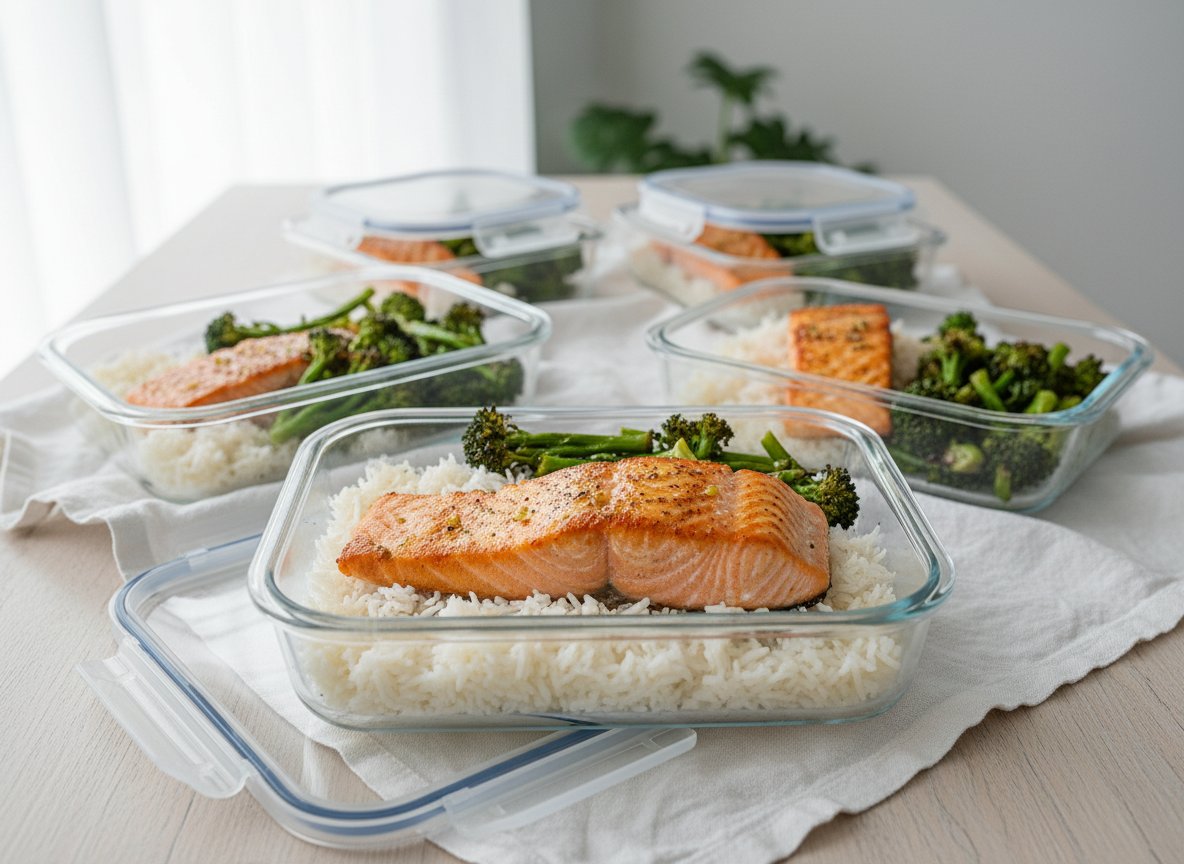
2. Salmon Rice and Broccoli Meal Prep - 43g Protein per Bowl
4 baked salmon bowls with jasmine rice and broccoli. 43g protein, 689 calories each. 30-minute prep with USDA-verified nutrition and 4 flavor variations.
View Recipe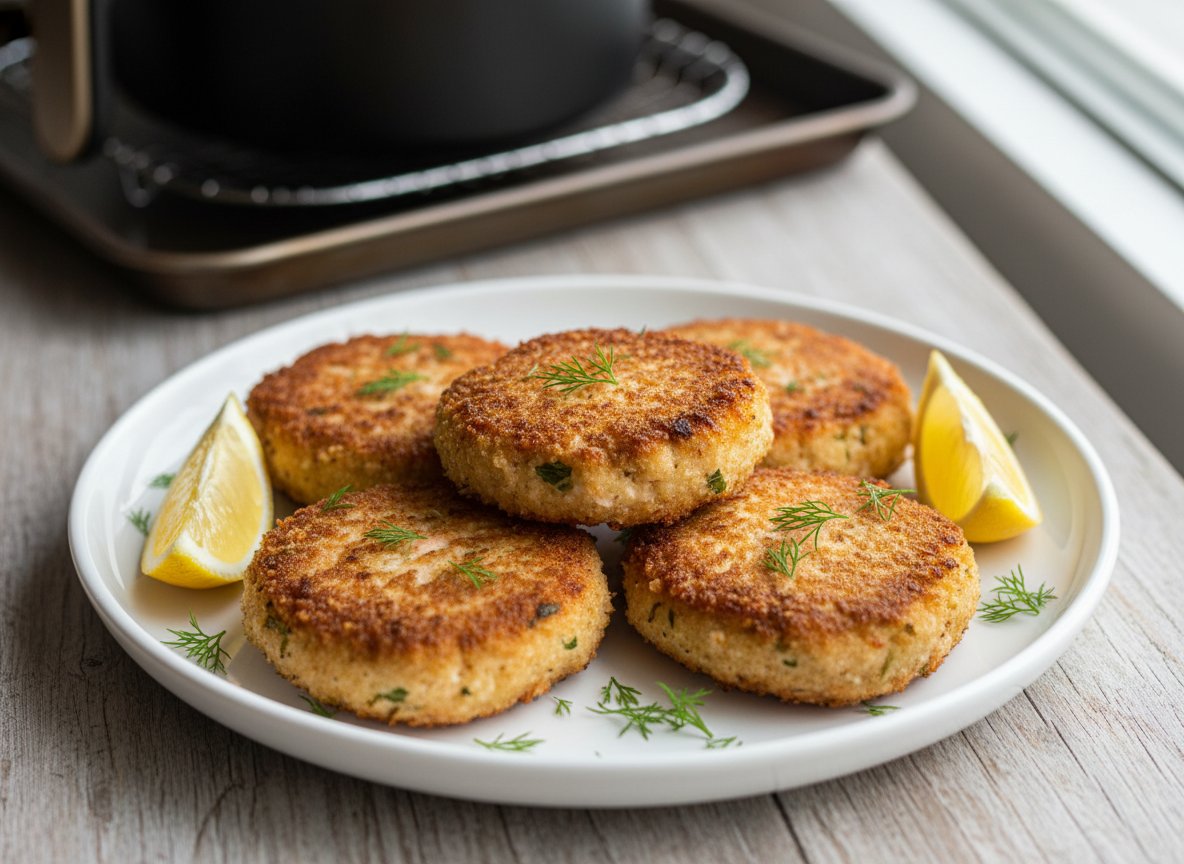
3. Air Fryer Canned Salmon Patties - 35g Protein, 20 Minutes
Crispy canned salmon patties in the air fryer. 35g protein, 290 calories per serving. One 14.75oz can, 20 minutes, 6 patties. USDA-verified nutrition.
View Recipe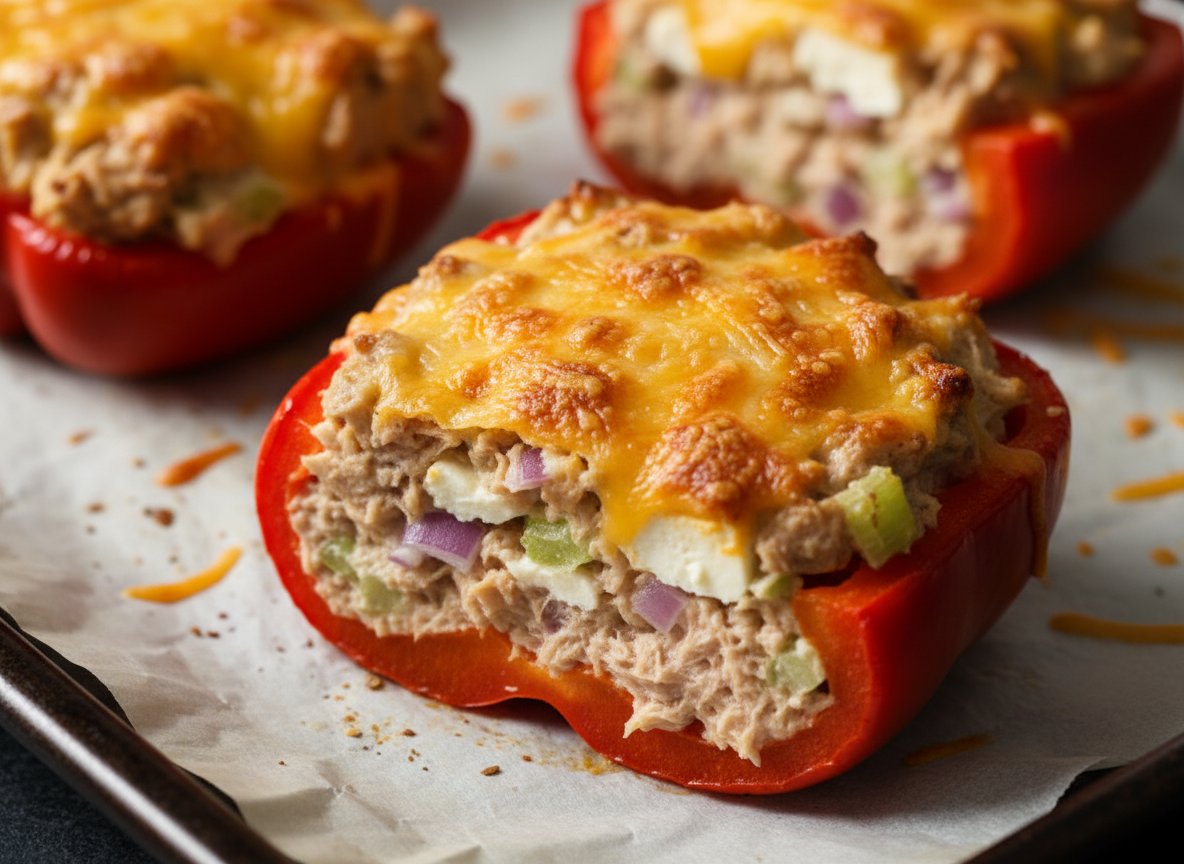
4. Tuna Melt Stuffed Peppers with 36g Protein
Classic tuna melt reimagined in bell pepper halves. 36g protein, 435 cal per serving. Two-stage broil method keeps peppers firm. 4 variations included.
View Recipe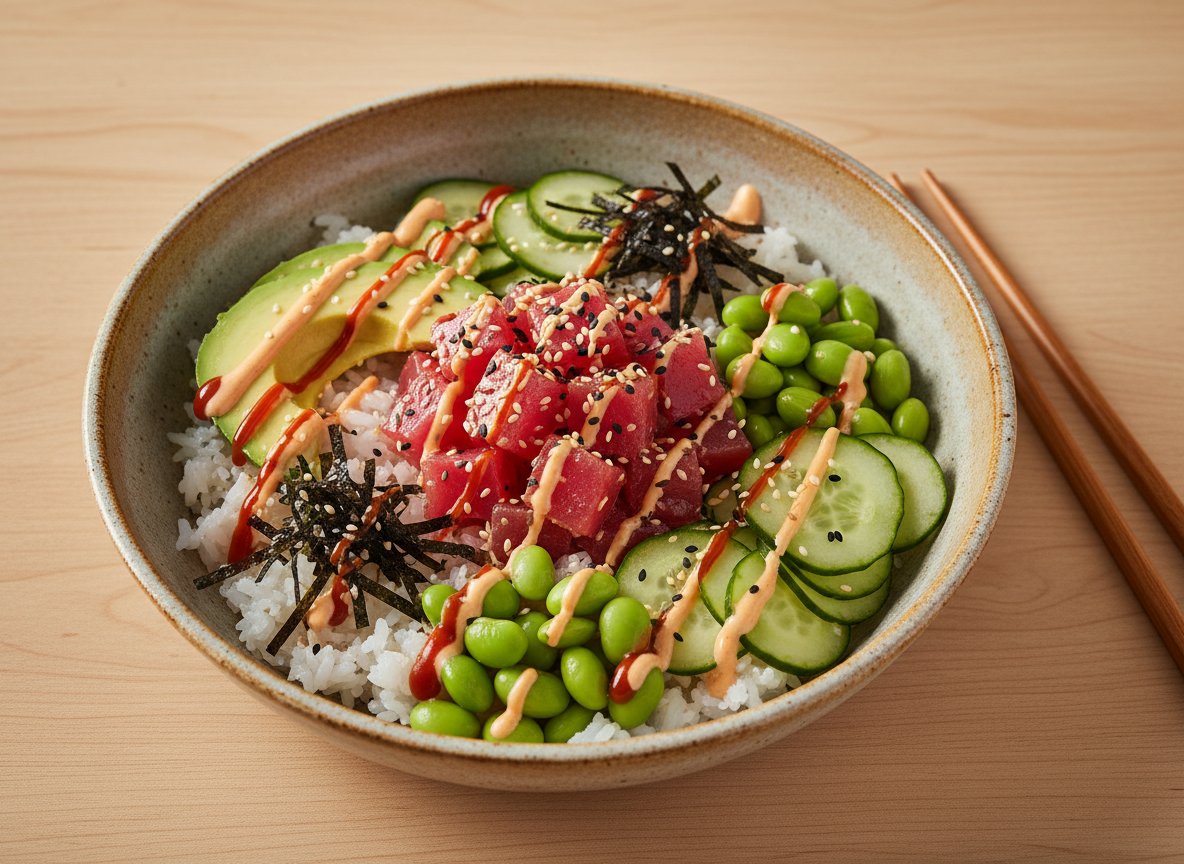
5. Spicy Tuna Rice Bowl with Avocado and Edamame | 34g Protein
Deconstructed spicy tuna roll in bowl form. 34g protein, 542 cal per serving. Sushi-grade ahi or canned tuna, sushi rice, avocado, edamame. 25 min.
View Recipe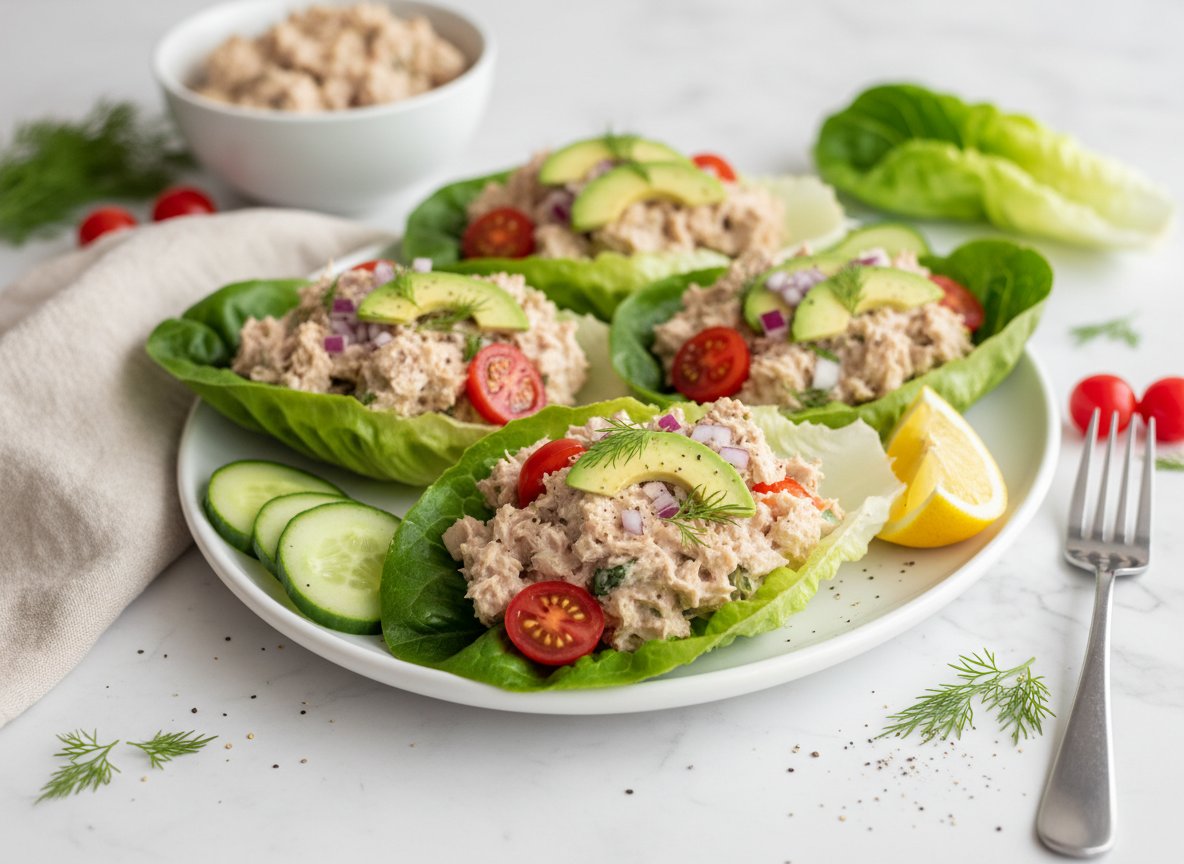
6. Tuna Salad Lettuce Wraps
Lemony tuna salad with crisp celery nestled in fresh butter lettuce cups. 37g protein, 368 cal in just 15 minutes.
View Recipe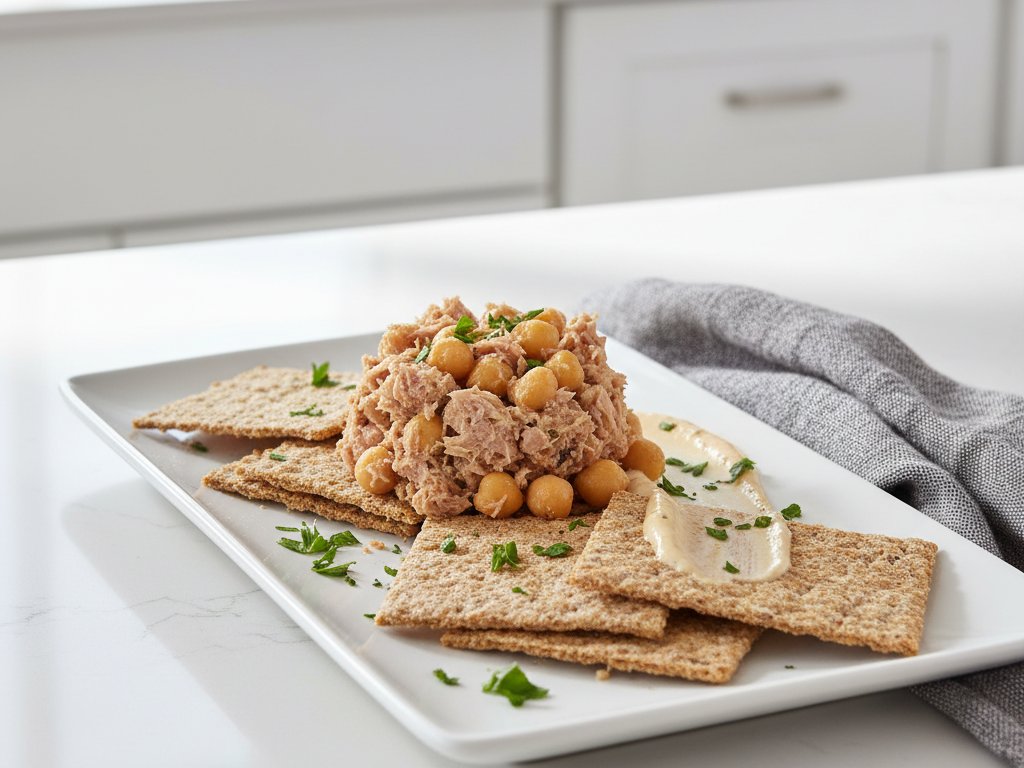
7. Tuna & Chickpea Cracker Nachos
Creamy tuna and mashed chickpeas piled on crispy crackers with cheese and fresh veggies. 25g protein, 239 cal, no cooking needed.
View Recipe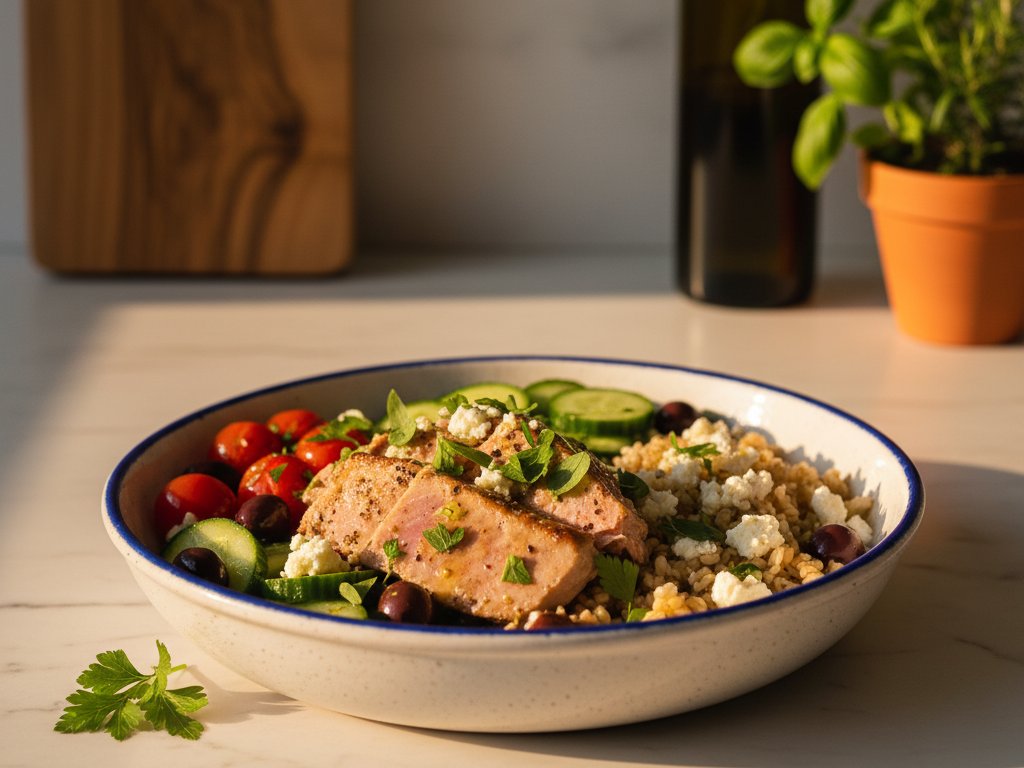
8. Mediterranean Tuna Grain Bowls
Flaky tuna, hearty grains, and bright lemon-herb dressing. 53g protein, 737 cal with zero cooking. Fresh Mediterranean meal prep in 45 min.
View Recipe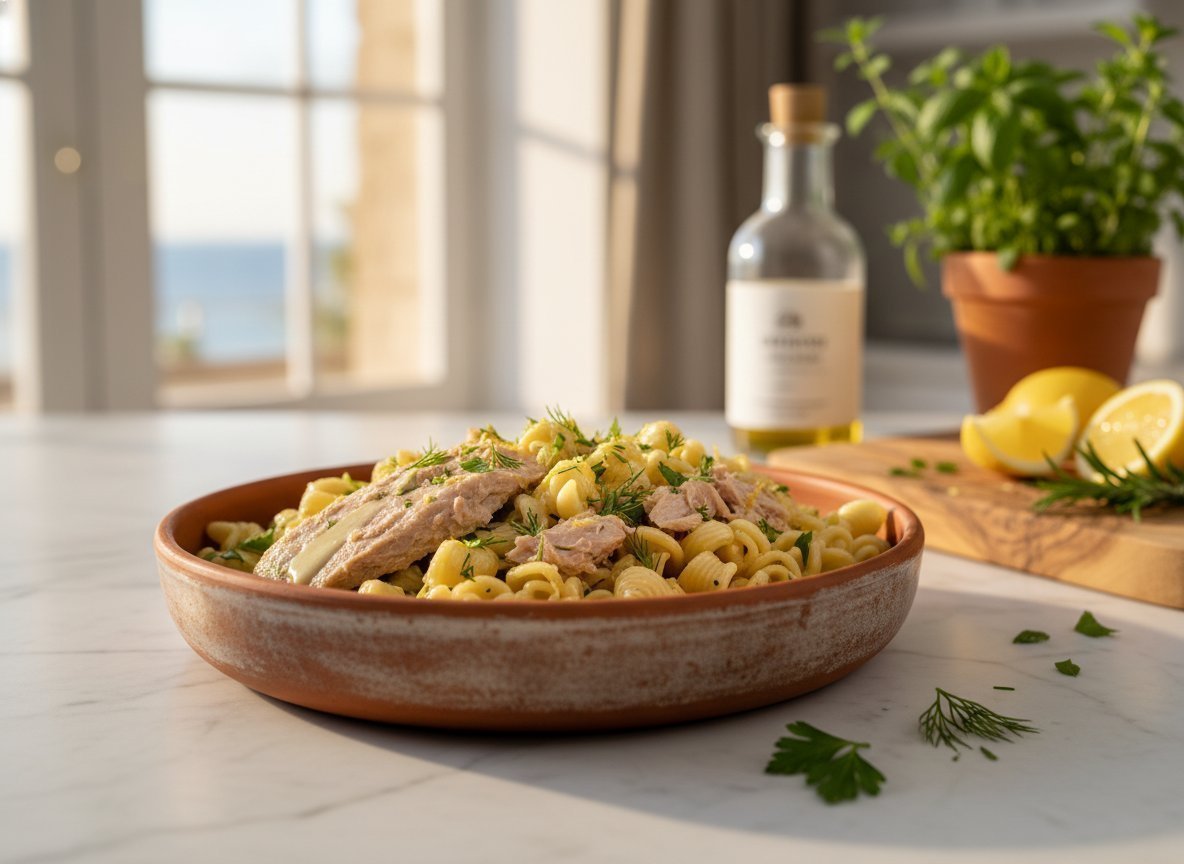
9. Lemon Herb Tuna Pasta Bowls
Flaky tuna tossed with al dente pasta, zesty lemon, and fresh herbs. 50g protein, 610 cal in 55 min. Light yet filling.
View Recipe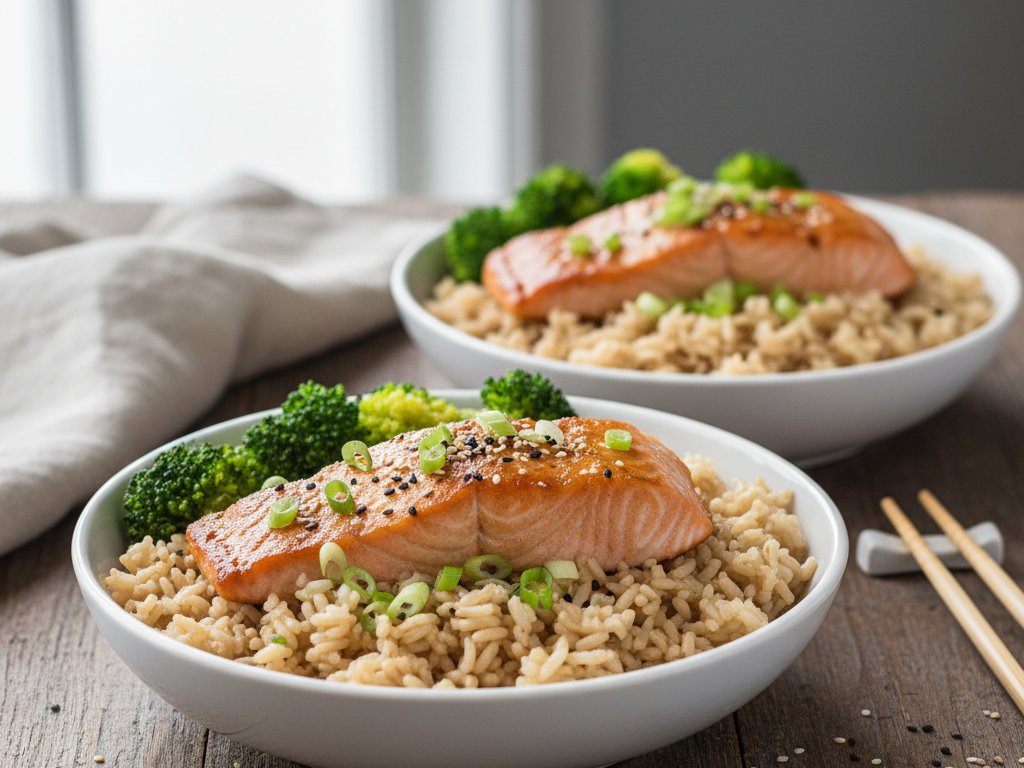
10. Miso Glazed Salmon Rice Bowls
Salmon miso bowl with caramelized glaze, roasted broccoli, and brown rice. 37g protein, 532 cal. Easy sheet-pan method — glaze, roast, and serve in 45 min.
View Recipe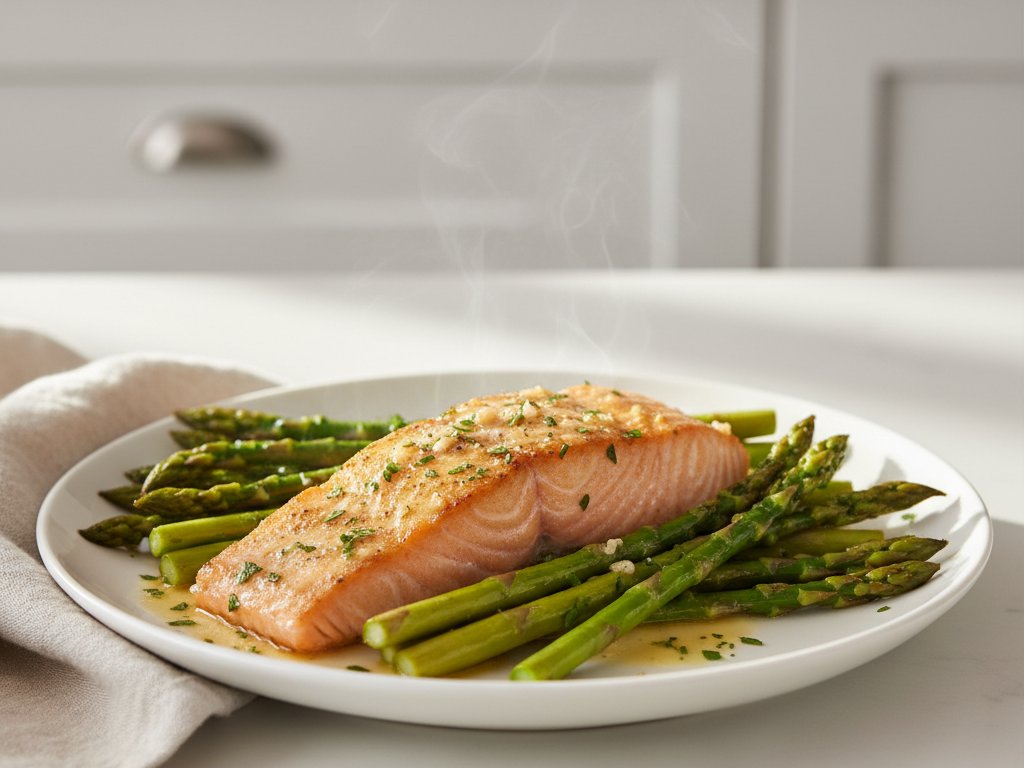
11. Garlic Butter Salmon and Asparagus Sheet Pan Meal
Buttery garlic-lemon glaze coats flaky salmon and tender asparagus. 52g protein, 742 cal. One pan, minimal cleanup, maximum omega-3s.
View Recipe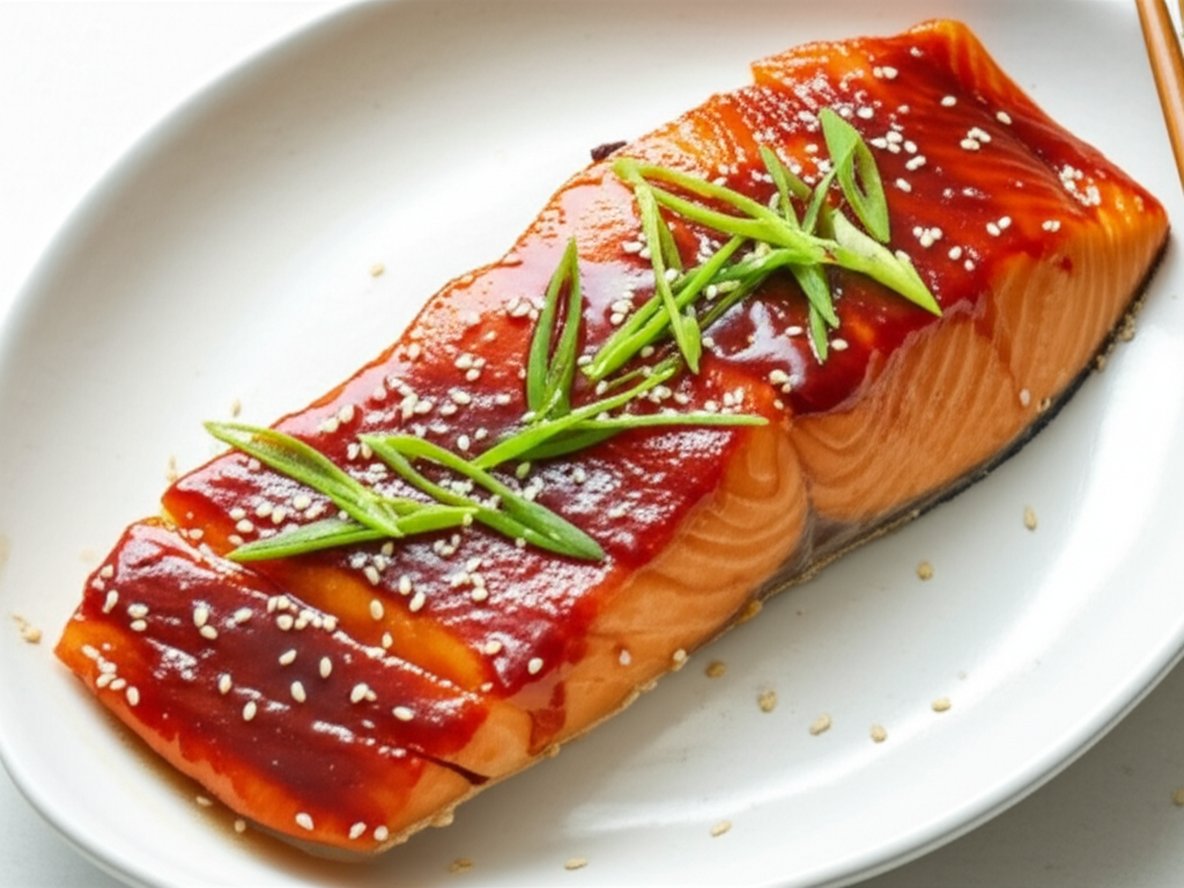
12. Air Fryer Teriyaki Salmon
Caramelized teriyaki glaze over buttery-flaky salmon fillets. 44g protein, 577 cal in just 25 min. Your air fryer's glossiest, most satisfying dinner.
View Recipe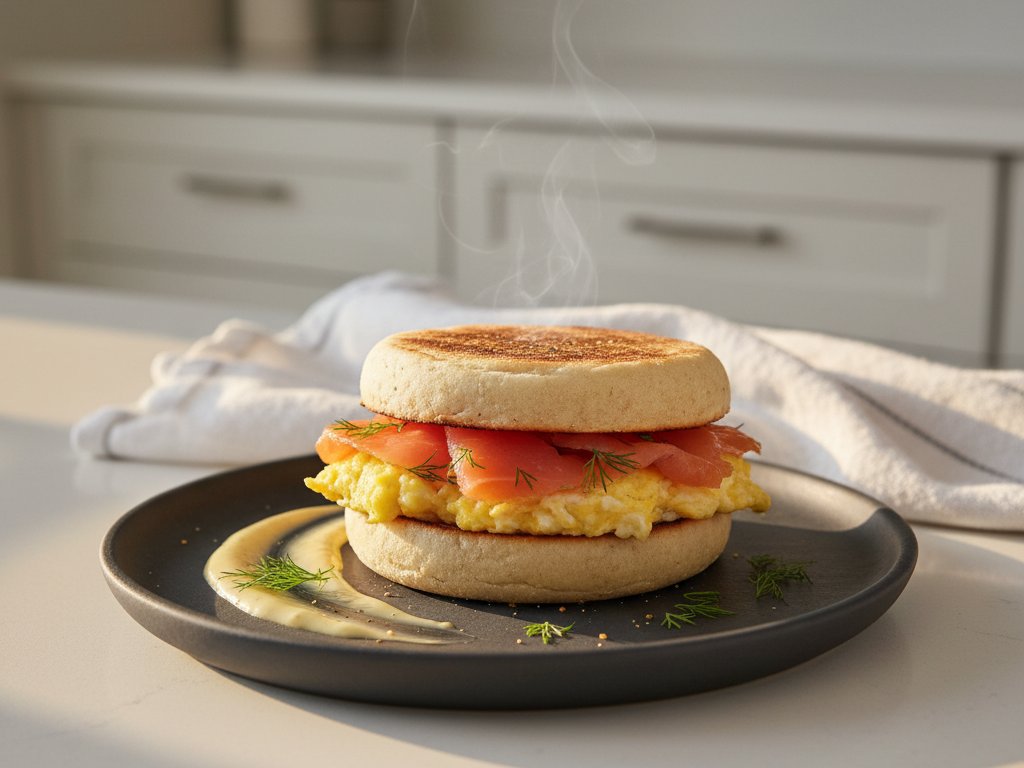
13. Smoked Salmon Breakfast Sandwich
Fluffy scrambled eggs, savory smoked salmon, and creamy dill spread on toasted muffin. 39g protein, 632 cal, 40 min morning luxury.
View Recipe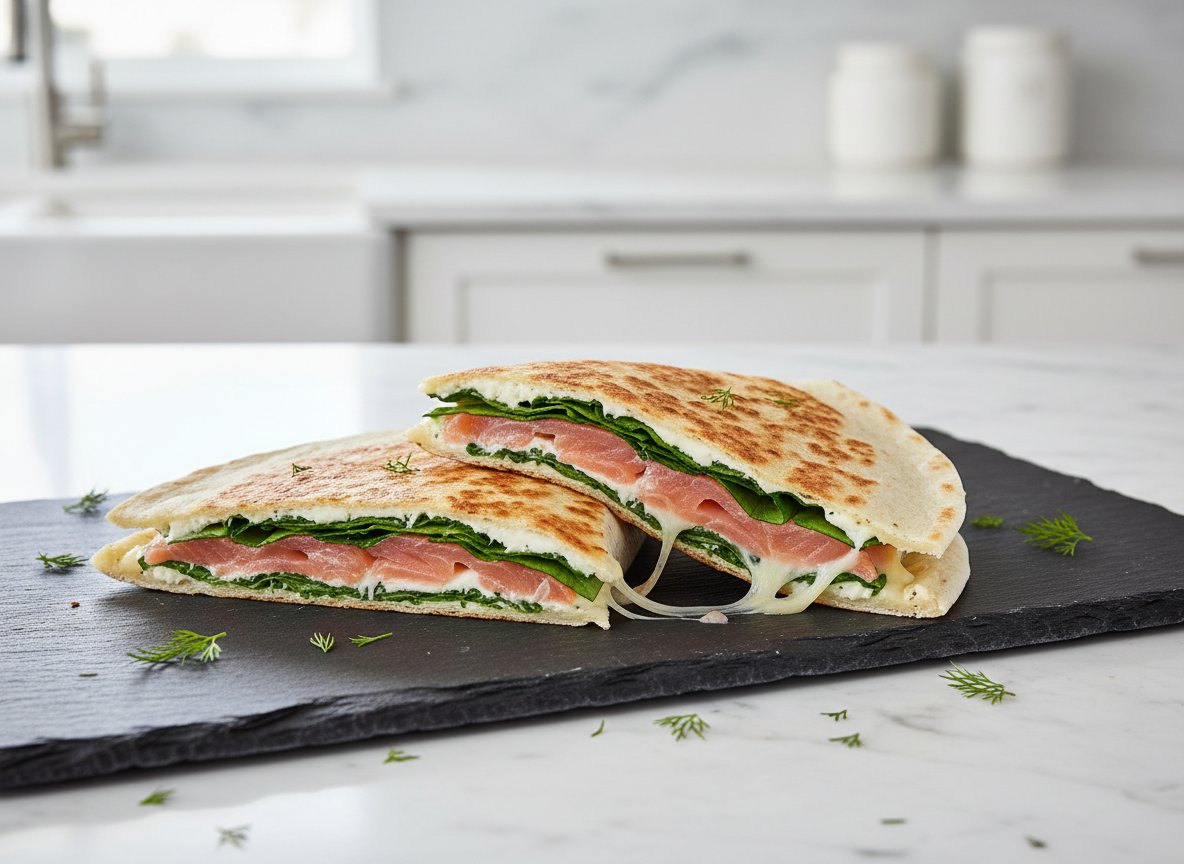
14. Smoked Salmon Quesadilla
Lox-meets-quesadilla mashup: silky smoked salmon, tangy cream cheese, dill, and melted Monterey Jack in a golden tortilla. 35g protein, 610 cal, 11 min.
View Recipe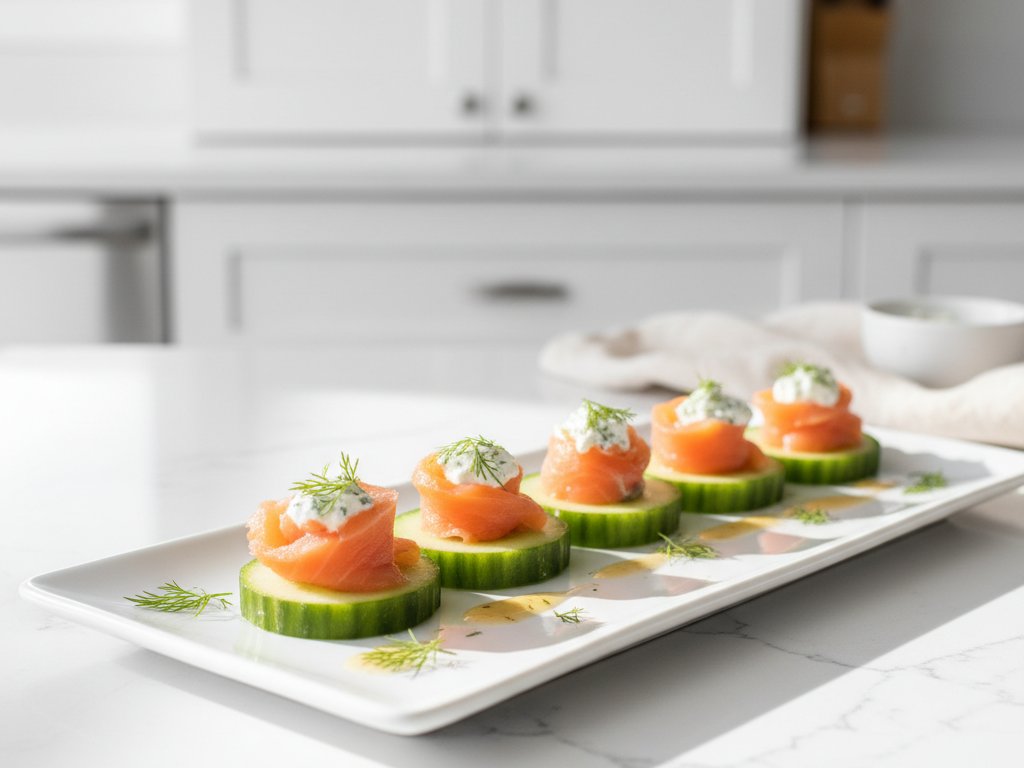
15. Smoked Salmon Cucumber Bites
Silky smoked salmon on crisp cucumber with dill-lemon cream cheese. 39g protein, 370 cal, 40 min. Refreshing no-cook elegance.
View Recipe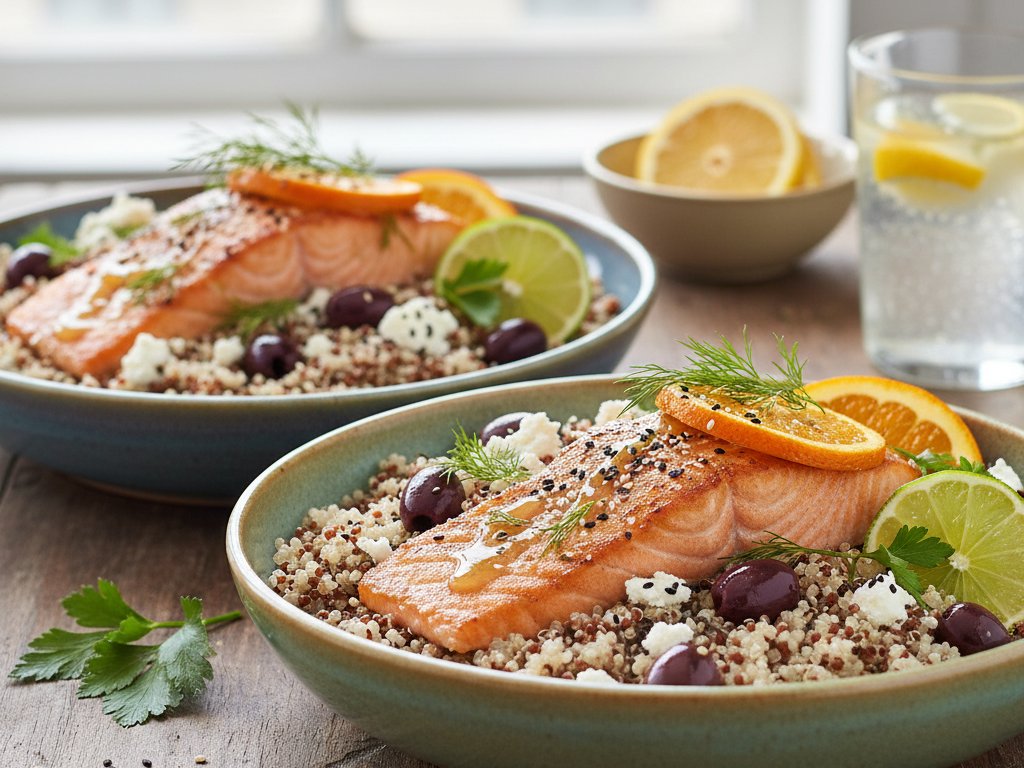
16. Mediterranean Citrus Salmon Bowls
Flaky roasted salmon and burst tomatoes over herbed quinoa with bright lemon dressing. 39g protein, 646 cal, 45 min. Mediterranean sunshine.
View Recipe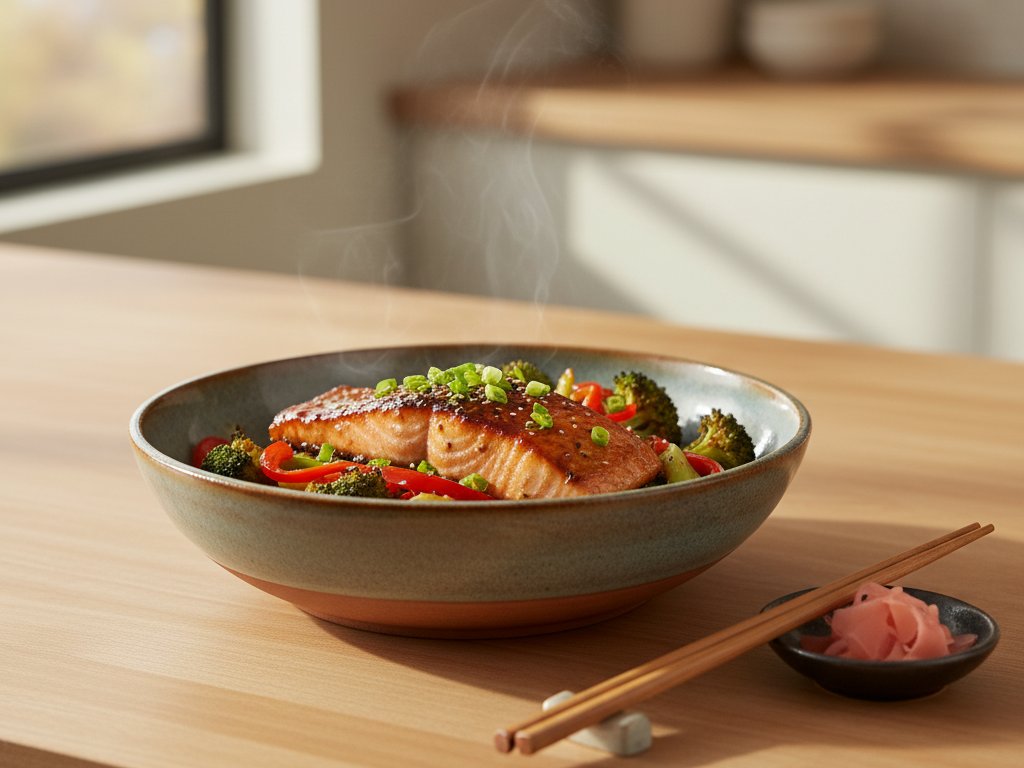
17. Teriyaki Salmon Sheet Pan
Glazed salmon roasts with broccoli and snap peas in sticky-sweet teriyaki sauce. 42g protein, 485 cal, meal prep ready.
View Recipe